






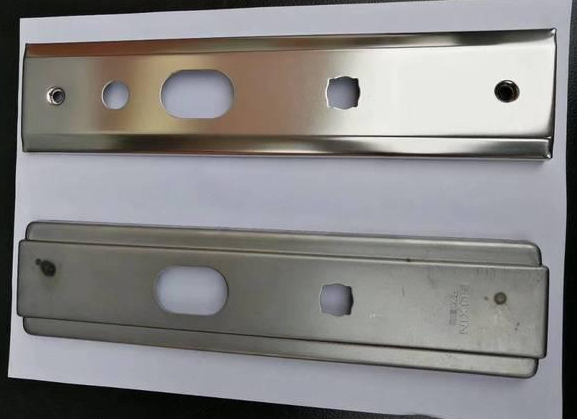
A la hora de evaluar Mecanizado con CNC En la fabricación de componentes, la precisión dimensional suele ocupar un lugar destacado, pero es el acabado superficial lo que distingue a un prototipo de taller de un producto listo para la producción. La textura, la uniformidad y la calidad visual de una pieza influyen directamente en el valor percibido, en el rendimiento del recubrimiento e incluso en propiedades funcionales como la fricción y la resistencia a la corrosión.
Entre las numerosas opciones de acabado superficial disponibles para las piezas CNC, el granallado con perlas destaca como una de las soluciones más versátiles, rentables y solicitadas. Proporciona un aspecto mate-satinado limpio y profesional, al tiempo que prepara las superficies para tratamientos secundarios. Esta guía desglosa todo lo que necesitas saber sobre el proceso de granallado con perlas, desde cómo funciona hasta cuándo es la opción más adecuada para tu proyecto.
¿En qué consiste exactamente el granallado con perlas?
El granallado con perlas es un proceso mecánico de acabado de superficies que consiste en proyectar pequeños medios esféricos —normalmente perlas de vidrio— contra una pieza de trabajo mediante aire comprimido. En lugar de cortar o esmerilar el material, el proceso crea un suave efecto de martilleo: cada impacto de una perla comprime la superficie a nivel microscópico, suavizando las marcas de las herramientas, difuminando las irregularidades y produciendo una textura uniforme y no direccional.
El acabado resultante suele ser una superficie suave, mate-satinada, con una rugosidad que oscila entre Ra 0,8 μm y Ra 3,2 μm, dependiendo del tamaño de las perlas y de los ajustes de presión. A diferencia del lijado o el esmerilado, que dejan patrones de rayaduras direccionales visibles, el granallado con perlas crea un aspecto uniforme y homogéneo tanto en superficies planas como en curvas y elementos internos.
En la fabricación con CNC, el granallado se aplica sobre todo a:
- Cajas electrónicas de aluminio y placas frontales decorativas
- Componentes de acero inoxidable para uso médico y alimentario
- Piezas que requieren una preparación de la superficie antes del anodizado, el recubrimiento en polvo o la pintura
- Componentes en los que se prefiere un acabado no reflectante y de bajo deslumbramiento
El proceso de granallado paso a paso
Aunque el concepto es sencillo, para obtener resultados de alta calidad de forma constante es necesario controlar minuciosamente todos los parámetros. Un proceso profesional de granallado con perlas sigue estas etapas:
1. Limpieza y preparación previas al chorro de arena
Las piezas mecanizadas se someten primero a un ciclo de desengrasado y limpieza para eliminar los fluidos de corte, las virutas metálicas y los contaminantes superficiales. Cualquier resto de aceite o residuo que quede en la superficie provocará un chorreado desigual y creará manchas visibles en el acabado final. Las características críticas, como las roscas de precisión o las superficies selladas, se protegen con goma o cinta adhesiva antes de comenzar el chorreado.
2. Selección y calibración de los soportes
El operario selecciona el material, el tamaño y la dureza de las perlas en función del material base de la pieza y del acabado deseado. Las perlas de vidrio estándar van desde la malla #60 (más gruesas, corte más rápido) hasta la malla #220 (más finas, acabado satinado más suave). Los ajustes de presión están calibrados —normalmente entre 40 y 80 PSI—; los materiales más blandos, como el aluminio, se tratan a presiones más bajas que el acero o el acero inoxidable.
3. Operación de voladura controlada
Dentro de una cabina de granallado cerrada, el técnico desplaza la boquilla metódicamente por la superficie de la pieza, manteniendo una distancia y un ángulo constantes. La pieza se gira o se cambia de posición para garantizar una cobertura completa de todas las caras, los huecos internos y los bordes. En esta fase se eliminan las marcas de las herramientas de mecanizado, las rebabas ligeras y las imperfecciones superficiales, al tiempo que se crea una textura mate uniforme.
4. Limpieza e inspección tras el chorro de arena
Tras el granallado, las piezas se limpian con aire comprimido y, a menudo, se someten a un lavado por ultrasonidos para eliminar todo el polvo de granalla incrustado y los residuos del medio de granallado. A continuación, cada pieza se inspecciona bajo una iluminación adecuada para comprobar que el recubrimiento sea uniforme, confirmar que no se hayan alterado las dimensiones críticas y garantizar que la superficie esté lista para su uso o para procesos de recubrimiento adicionales.
Chorro de perlas frente a chorro de arena: ¿cuál es la diferencia real?
Ambos términos se suelen utilizar indistintamente, pero dan lugar a resultados fundamentalmente diferentes y tienen finalidades distintas.
| Comparación | Granallado | Chorro de arena |
|---|---|---|
| Materiales de granallado | Cuentas esféricas de vidrio, cerámica o plástico | Arena de sílice angular, óxido de aluminio o granalla |
| Textura de la superficie | Acabado satinado mate, suave y uniforme | Textura áspera, con surcos profundos y granulada |
| Eliminación de material | Mínimo — efecto de granallado, solo en micras | Agresivo: eliminación significativa de material |
| Impacto dimensional | Insignificante si los parámetros se ajustan correctamente | Permite modificar las tolerancias y la geometría de los bordes |
| Caso de uso principal | Acabado estético y preparación del recubrimiento para piezas mecanizadas con CNC | Eliminación de óxido persistente, decapado de pintura, limpieza a fondo |
| Última aparición | Aspecto profesional y listo para la producción | Aspecto industrial y sin acabar |
En resumen, el chorro de arena está pensado para la limpieza intensiva y la eliminación de material, mientras que el granallado con perlas está diseñado para el acabado y la calidad estética de la superficie. En el caso de las piezas mecanizadas con precisión mediante CNC, en las que el aspecto y la precisión dimensional son fundamentales, el granallado con perlas es casi siempre la opción más adecuada.
Opciones de materiales de granallado: vidrio, cerámica, plástico y otros
No todos los medios de microesferas son iguales. Los distintos materiales producen diferentes texturas, velocidades de corte y niveles de durabilidad:
Cuentas de cristal
El estándar del sector para la mayoría de las aplicaciones de acabado CNC. Las perlas de vidrio sodocálcico son económicas, reciclables y proporcionan un acabado satinado brillante clásico. Funcionan excepcionalmente bien en piezas de aluminio, acero inoxidable y latón, y son la opción predeterminada para el acabado estético general y la preparación de recubrimientos.
Cuentas de cerámica
Más duras, más densas y más duraderas que el vidrio. Las perlas de cerámica proporcionan una superficie más refinada y uniforme, y conservan su forma esférica durante muchos más ciclos. Son la opción preferida para componentes aeroespaciales, médicos y de aleaciones de alto rendimiento, en los que la consistencia y la repetibilidad del proceso son fundamentales.
Soportes plásticos
La opción de granallado más suave, fabricada con nailon, urea o polímeros acrílicos. Las perlas de plástico eliminan las rebabas, limpian las superficies y eliminan las asperezas sin alterar las dimensiones del material base. Son ideales para piezas delicadas, aleaciones de latón blandas y componentes de plástico o compuestos que podrían resultar dañados por medios más duros.
Granalla de acero
Se utilizan principalmente para aplicaciones de granallado, más que para acabados estéticos. Las perlas de acero endurecen por deformación la superficie de la pieza, lo que mejora significativamente la resistencia a la fatiga y la tolerancia a la tensión. Son habituales en componentes estructurales de los sectores de la automoción y la aeronáutica, pero producen un acabado más rugoso que las perlas de vidrio o cerámica.
Principales ventajas del granallado con perlas para componentes CNC
La popularidad del granallado en la fabricación CNC se debe a su combinación única de ventajas estéticas y funcionales:
- Acabado estético uniforme: Elimina las marcas visibles de las herramientas, las líneas de fresado y las irregularidades del mecanizado, lo que confiere a cada pieza un aspecto uniforme y profesional, independientemente de su complejidad.
- Mejora de la adherencia del recubrimiento: Crea un “perfil de anclaje” con microtextura que favorece que el anodizado, el recubrimiento en polvo, la pintura y el galvanizado se adhieran con mayor fuerza y de forma más uniforme a la superficie.
- Acabado rentable: Proporciona una superficie de alta calidad a una fracción del coste del pulido manual o del acabado por vibración, especialmente en piezas con geometrías complejas.
- Suave con los rasgos delicados: El granallado con perlas, cuando se calibra adecuadamente, alisa las superficies sin erosionar las paredes delgadas, las esquinas afiladas ni los detalles finos, algo que el esmerilado agresivo no puede igualar.
- Desbarbado ligero y redondeo de cantos: Suaviza de forma natural los bordes afilados resultantes del mecanizado y elimina las microrebabas, lo que reduce la necesidad de realizar operaciones secundarias de desbarbado manual.
- Oculta las imperfecciones de la superficie: La textura mate uniforme disimula los pequeños arañazos, las marcas de uso y las variaciones en el material que serían visibles en superficies mecanizadas o pulidas.
Limitaciones clave y consideraciones de diseño
El granallado no es una solución universal. Hay casos importantes en los que puede que no sea la opción ideal:
- Tolerancias extremadamente estrictas: Aunque la pérdida de material es mínima, el granallado elimina una capa superficial microscópica. En el caso de piezas con requisitos de tolerancia de una sola micra, las características críticas deben enmascararse o mecanizarse posteriormente tras el granallado.
- Características roscadas: Los medios de granallado pueden alterar el ajuste de las roscas y el acabado superficial. Todos los orificios roscados y los elementos de fijación deben protegerse antes del granallado para garantizar un acoplamiento correcto.
- Requisitos de alto brillo: El granallado con perlas produce un acabado que va de mate a satinado. Si necesitas una superficie reflectante o con pulido de espejo, será necesario un proceso de acabado diferente.
- Cavidades internas: Los orificios o ranuras muy profundos y estrechos pueden resultar difíciles de alcanzar con las boquillas de chorro, lo que podría provocar una cobertura desigual.
- Trampa mediática: Los orificios ciegos y las grietas pueden retener los medios de desbaste. Los diseños deben incluir orificios de drenaje o prever la limpieza posterior al chorreado de las partes internas.
Comparación entre el granallado con perlas y otros acabados superficiales CNC
| Método de acabado | Resultado visual | Nivel de protección | Mejor aplicación |
|---|---|---|---|
| Granallado | Acabado satinado mate, sin reflejos | No se utiliza por sí solo; es una base excelente para recubrimientos | Carcasas para productos cosméticos, preparación previa al anodizado, piezas industriales en general |
| Anodizado | Amplia gama de colores, con opciones que van desde el mate hasta el brillante | Excelente resistencia a la corrosión y al desgaste | Piezas de aluminio para productos de exterior, aeroespaciales y de consumo |
| Pulido mecánico | Acabado brillante y reflectante, similar al de un espejo | Mínimo; puramente estético | Componentes decorativos, instrumentos médicos, piezas de alta visibilidad |
| Recubrimiento en polvo | Acabado resistente y duradero, colores ilimitados | Resistencia superior a la corrosión y a los impactos | Equipamiento para actividades al aire libre, recambios para automóviles, carcasas industriales |
| Pasivación | No se observan cambios visibles en el metal base | Protección contra la corrosión química del acero inoxidable | Componentes de acero inoxidable para uso alimentario y médico |
El granallado se utiliza con frecuencia como paso previo al anodizado o al recubrimiento en polvo. Esta combinación ofrece tanto la uniformidad visual de una superficie granallada como la protección duradera de un recubrimiento, lo que la convierte en el proceso de acabado más popular para las cajas de aluminio mecanizadas con CNC.
Preguntas frecuentes
¿Es seguro el granallado con perlas para piezas CNC de precisión?
Sí, siempre que se realice con equipos calibrados y con los parámetros adecuados. El proceso se lleva a cabo en cabinas totalmente cerradas con sistema de captación de polvo, y el propio material de granallado, compuesto por perlas de vidrio, no es tóxico ni reactivo. Y lo más importante: la baja tasa de eliminación de material garantiza que se mantenga la integridad dimensional cuando los ajustes se adaptan al material de la pieza.
¿El granallado con perlas modificará las dimensiones de mi pieza?
Solo a nivel microscópico. Un granallado estándar con perlas de vidrio suele eliminar menos de 5 micras de material superficial, lo que, por lo general, se encuentra ampliamente dentro del rango de tolerancia de la mayoría de las piezas CNC. Para elementos con tolerancias extremadamente ajustadas, se recomienda el enmascaramiento o el mecanizado posterior al granallado.
¿El granallado con perlas puede eliminar el óxido y la pintura vieja?
Es eficaz para tratar la oxidación leve, la decoloración superficial y las capas finas de pintura. En caso de óxido intenso, recubrimientos gruesos o contaminación grave de la superficie, el uso de un medio de chorro más agresivo o un decapado químico proporcionará resultados más rápidos y completos.
¿Cuánto tiempo dura el proceso de granallado?
En el caso de los componentes típicos de CNC, el granallado solo lleva unos minutos por pieza. La mayor parte del tiempo de ejecución corresponde a la preparación, el enmascaramiento, la limpieza y la inspección. Cuando se integra en un flujo de trabajo de producción completo, el granallado con perlas añade un tiempo de espera mínimo al ciclo de fabricación global.
¿Mejora el granallado la resistencia a la corrosión?
Por sí solo, no: el granallado es un tratamiento superficial puramente mecánico. Sin embargo, mejora considerablemente el rendimiento de los recubrimientos anticorrosivos posteriores, ya que proporciona una mejor adherencia y una base más uniforme sobre la que se fije el recubrimiento.
Reflexiones finales
El granallado ocupa un lugar privilegiado en el panorama de los acabados CNC: es asequible, versátil, respetuoso con los detalles de precisión y ofrece una mejora inmediatamente apreciable en el aspecto de las piezas. Para la mayoría de las aplicaciones industriales y de productos de consumo, ofrece el mejor equilibrio posible entre coste, rapidez y calidad visual.
Aunque el proceso pueda parecer sencillo a simple vista, la obtención de resultados de alta calidad de forma constante depende de operarios con experiencia que sepan cómo adaptar el medio de granallado, la presión y la técnica a cada material y a la geometría de cada pieza. Colaborar con un taller de CNC que realice el granallado con perlas en sus propias instalaciones garantiza un control más riguroso del proceso, plazos de entrega más cortos y una mejor integración entre las fases de mecanizado y acabado.