






Matrices personalizadas: soluciones de utillaje a medida para la fabricación de precisión
Introducción
Los troqueles estándar rara vez se adaptan a los requisitos de producción específicos. Cada pieza —ya sea un componente de un dispositivo médico, un soporte aeroespacial o un elemento estructural de automoción— tiene su propia geometría, material, tolerancias y expectativas de volumen. Ahí es donde entra en juego un matriz a medida se convierte en algo indispensable. A diferencia de los utillajes estándar, que obligan a hacer concesiones, un troquel a medida se diseña, mecaniza y acaba específicamente para un producto o una familia de productos. Optimiza el tiempo de ciclo, la tasa de desechos, la vida útil del troquel y la calidad de las piezas. Este artículo analiza qué son los troqueles a medida, por qué son importantes, cómo se fabrican y qué hay que tener en cuenta a la hora de encargar uno.
¿Qué es un troquel a medida?
Un troquel a medida es una herramienta de precisión diseñada y fabricada desde cero (o modificada en gran medida a partir de un modelo estándar) para producir un componente específico con una forma, unas dimensiones o unas características de material únicas. La personalización se aplica a todas las categorías de troqueles:
-
Matrices de estampado a medida – Matrices progresivas, de transferencia, compuestas o en línea, adaptadas a una pieza concreta de chapa metálica.
-
Moldes a medida para fundición a presión – Diseñado para un componente específico de aleación de aluminio, zinc o magnesio, incluyendo núcleos complejos, correderas y canales de refrigeración.
-
Matrices de forja a medida – Matrices o herramientas de troquel cerrado para la fabricación de piezas metálicas únicas forjadas en caliente o en frío.
-
Matrices de extrusión a medida – Aberturas optimizadas para el flujo, diseñadas para un perfil exclusivo de aluminio o plástico.
-
Moldes de inyección a medida (a menudo agrupados con los troqueles) – Cavidades y núcleos para una pieza de plástico concreta.
El término “matriz personalizada” también puede referirse a la modificación de una matriz ya existente —ya sea añadiendo una nueva estación, cambiando la forma de una cavidad o mejorando el sistema de refrigeración— con el fin de fabricar una pieza modificada o prolongar la vida útil de la herramienta.
¿Por qué elegir un troquel a medida en lugar de uno estándar?
1. Libertad geométrica de las piezas
Los moldes estándar solo existen para formas genéricas: arandelas, soportes sencillos y copas redondas. Si su componente requiere muescas, líneas de separación no lineales, espesor de pared variable o contornos tridimensionales, solo un molde a medida puede satisfacer esas necesidades.
2. Aprovechamiento optimizado del material
El diseño personalizado de matrices incluye cálculos de anidamiento para el estampado o la optimización de los canales y las entradas para el moldeo por inyección. Esto reduce los desechos, lo que supone un ahorro en el coste del material en millones de piezas.
3. Características específicas del proceso
Un troquel a medida puede incluir:
-
Elevadores y acciones laterales para los socavados.
-
Calentadores o sensores para la supervisión de procesos.
-
Recubrimientos a medida (por ejemplo, TiAlN para el estampado de acero inoxidable de alta resistencia).
-
Canales de refrigeración conformados (mediante impresión 3D) para reducir el tiempo de ciclo entre un 20 % y un 50%.
4. Integración con los equipos existentes
Tu prensa tiene unas dimensiones, un tonelaje y una carrera determinados; tu sistema de automatización cuenta con dedos de transferencia específicos. Un troquel a medida se adapta a la perfección, lo que evita tener que realizar modificaciones.
5. Protección de la propiedad intelectual
Cuando eres el propietario del diseño del troquel, tú decides quién puede fabricar la pieza. Los troqueles estándar están a disposición de cualquiera.
El proceso de fabricación de matrices a medida
La creación de un troquel a medida sigue un proceso de ingeniería estructurado.
Paso 1: Análisis de piezas y diseño para la fabricabilidad (DFM)
El proveedor de matrices recibe el plano de la pieza (CAD en 2D o 3D). Los ingenieros lo revisan:
-
Ángulos y radios de desmoldeo (para fundición a presión o forja).
-
Diámetros mínimos de los orificios y márgenes en los bordes (para el estampado).
-
Longitud de flujo frente al espesor de la pared (para extrusión o inyección).
Un informe de DFM destaca los riesgos y sugiere modificaciones, como, por ejemplo, añadir un chaflán, aumentar un radio o cambiar la ubicación de un orificio.
Paso 2: Diseño y maquetación de la troqueladora
A partir de los comentarios sobre el DFM, el diseñador de chips crea:
-
El esquema de la tira (para matrices progresivas): cómo se desplaza la pieza por las estaciones.
-
Número y disposición de las cavidades (para matrices de impresión múltiple).
-
El sistema de canales, compuertas y respiraderos (para fundición o moldeo).
-
Ubicación de los canales de refrigeración (fundamental para el tiempo de ciclo).
El software de simulación (AutoForm, Moldflow, Flow‑3D) permite predecir el flujo del metal, las bolsas de aire, la contracción y las tensiones térmicas.
Paso 3: Selección y adquisición de materiales
Los troqueles a medida se fabrican con aceros para herramientas específicos en función de la aplicación:
-
Estampado: D2, A2, M2, calidades de metalurgia de polvos (PM).
-
Fundición a presión: H13, SKD61, Dievar.
-
Forja: H11, H13, 1.2714.
-
Moldeo por inyección: P20, H13, 420SS, S136.
El proveedor se abastece de acero certificado, a menudo preendurecido hasta un valor de HRC especificado.
Paso 4: Mecanizado
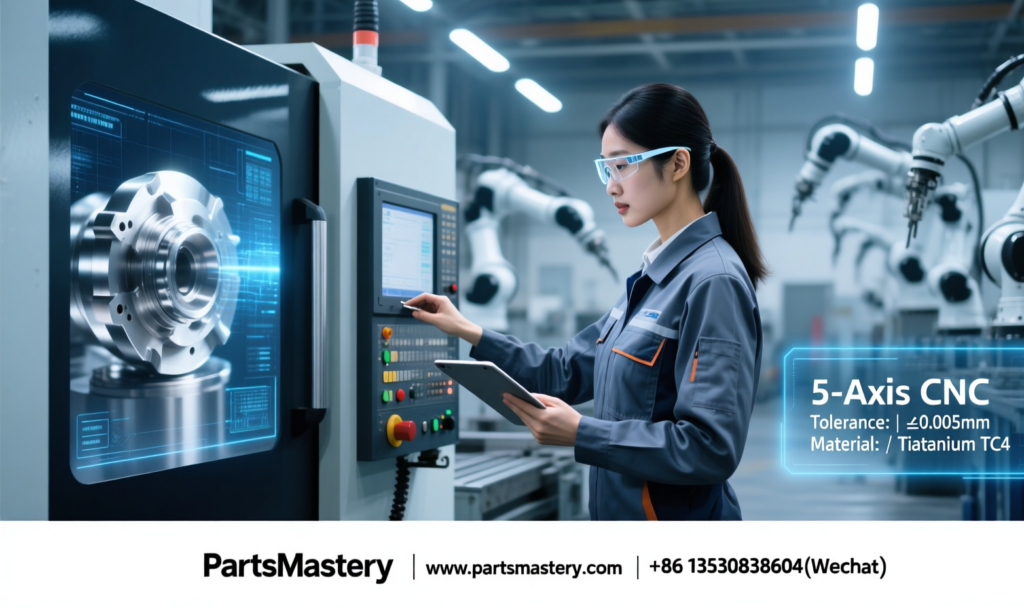
Mecanizado de desbaste y acabado en fresadoras CNC de alta velocidad (de 3 a 5 ejes). El electroerosionado por hilo permite crear detalles internos muy precisos. El rectificado en plantilla permite alcanzar una planitud de hasta 0,001 mm. Los troqueles a medida suelen presentar superficies 3D complejas que requieren un fresado simultáneo multieje.
Paso 5: Tratamiento térmico y criogenia
El tratamiento térmico al vacío garantiza una dureza uniforme sin oxidación superficial. El templado elimina las tensiones. Algunas matrices personalizadas se someten a un tratamiento criogénico para transformar la austenita retenida, lo que mejora la resistencia al desgaste.
Paso 6: Ajuste y montaje
Se montan los pilares guía, los casquillos, los muelles, los retenedores y los muelles de gas. Se alinean los extractores y las zapatas de troquel. En el caso de los troqueles progresivos, se comprueba la precisión del paso en cada estación.
Paso 7: Prueba y ajuste fino
El troquel a medida se monta en una prensa (o máquina de fundición a presión, máquina de moldeo por inyección). Se fabrican piezas de prueba en condiciones reales de producción. Las dimensiones se miden en una máquina de medición por coordenadas (CMM) o con un comparador óptico. Se realizan ajustes —rectificado puntual, pulido de las ranuras de ventilación, adición de avellanados— hasta que la pieza se ajuste a las especificaciones del plano.
Paso 8: Documentación y recubrimiento
Se emite un informe de inspección del primer artículo (FAIR). Si así se especifica, se aplica un recubrimiento mediante deposición física de vapor (PVD). Se aplica un tratamiento anticorrosivo a la matriz y se embala en una caja para su envío.
Factores clave a la hora de encargar un troquel a medida
La esperanza de vida
Define la vida útil que necesitas para el utillaje en número de disparos, carreras o piezas. Una matriz de estampado para 100 000 piezas utiliza un acero diferente al de una destinada a 2 millones de piezas. Sé realista. El proveedor ajustará la dureza, el ajuste y el recubrimiento en consecuencia.
Tolerancias
Especifica las dimensiones críticas y los requisitos de control estadístico de procesos (SPC). Por ejemplo: “Ancho de la ranura: 5,00 ±0,02 mm; índice de capacidad Cpk ≥ 1,33”. Las áreas no críticas pueden tener tolerancias más amplias para reducir los costes.
Plazo de entrega frente a coste
La fabricación de un troquel a medida suele tardar entre 4 y 10 semanas, desde el diseño hasta la entrega. Los pedidos urgentes (2-3 semanas) requieren horas extras y la aceleración del proceso de adquisición de materiales de primera calidad. La fabricación de troqueles de alta calidad no puede acelerarse más allá de ciertos límites, ya que el mecanizado y el tratamiento térmico requieren un tiempo determinado.
Moldes de prototipo frente a moldes de producción
En el caso de los productos nuevos, plantéate un matriz prototipo (moldes de prueba, a menudo fabricados en aluminio o acero dulce) para validar el diseño y producir cientos de muestras. Una vez validado, fabricar un matriz a medida para la producción fabricado en acero para herramientas templado. Este enfoque reduce los riesgos y los costes.
Servicio posventa
Infórmate sobre las piezas de recambio: deben incluirse punzones, insertos y placas de desgaste adicionales, o bien estar disponibles en un plazo breve. Pregunta por los servicios de reafilado. Un buen proveedor ofrece una garantía (por ejemplo, 500 000 golpes o 12 meses).
Sectores que dependen de troqueles a medida
-
Automoción – Paneles de la carrocería, soportes del chasis, soportes del motor, carcasas de la transmisión.
-
Aeroespacial – Soportes de titanio y aleaciones de níquel, nervaduras estructurales y componentes del tren de aterrizaje.
-
Médico – Mangos de instrumentos quirúrgicos, componentes de prueba de implantes, carcasas de dispositivos.
-
Electrónica – Latas de blindaje, conectores, disipadores térmicos para LED, bornes de batería.
-
Electrodomésticos – Tambores de lavadoras, carcasas de compresores, aspas de ventiladores.
-
Elementos de fijación – Cabezas de tornillo a medida, tuercas de remachado automático y remaches.
Errores habituales al comprar troqueles a medida
-
Datos incompletos sobre las piezas – La falta de especificaciones sobre tolerancias, materiales o acabados superficiales da lugar a trabajos de corrección.
-
Omitir la revisión de DFM – Un troquel fabricado sin tener en cuenta los criterios de fabricación (DFM) puede producir piezas que sean imposibles de expulsar, que presenten rebabas o que se desgasten prematuramente.
-
Elegir el presupuesto más barato – Los troqueles baratos suelen estar fabricados con acero blando, no se someten a un tratamiento de alivio de tensiones o presentan un acabado deficiente, lo que se traduce en una vida útil corta y un elevado mantenimiento.
-
No se realizarán pruebas en las instalaciones del proveedor – Asiste siempre a la prueba o solicita vídeos en alta resolución y las medidas. Solucionar los problemas después del envío resulta caro y lleva mucho tiempo.
El futuro de los troqueles a medida
La fabricación aditiva (impresión 3D en metal) está transformando la producción de matrices a medida. Se pueden imprimir canales de refrigeración conformes —imposibles de perforar— en el interior de los insertos de las matrices. Esto reduce drásticamente el tiempo de ciclo. Las matrices híbridas (inserto conforme impreso + base mecanizada) se están volviendo asequibles para los volúmenes de producción. Además, la tecnología de gemelo digital permite simular el patrón de desgaste del troquel antes de fabricarlo, optimizando así su geometría para conseguir la máxima vida útil.
Conclusión
Un troquel a medida es una inversión en calidad, eficiencia y ventaja competitiva. Aunque el coste inicial supera al de un troquel estándar, los beneficios a largo plazo —ciclos más rápidos, menos desechos, piezas uniformes y la capacidad de fabricar productos únicos— compensan con creces el gasto inicial. Para tener éxito, colabore con un fabricante de matrices que ofrezca un análisis exhaustivo de diseño para la fabricación (DFM), mecanizado y tratamiento térmico internos, sistemas de calidad contrastados (ISO 9001, IATF 16949) y una comunicación transparente. Proporcione especificaciones claras de las piezas, acuerde los objetivos de vida útil de la matriz y realice una prueba de funcionamiento adecuada. Tanto si necesita un troquel de estampación progresiva para millones de grapas médicas como un troquel de fundición a presión para un componente automovilístico revolucionario, el troquel personalizado adecuado se convertirá en la columna vertebral de su línea de producción.
PartsMastery Se especializa en la fabricación de troqueles personalizados de alta precisión, adaptados a su aplicación concreta. Desde la asistencia en el diseño y la simulación hasta las pruebas finales y el recubrimiento, nos aseguramos de que sus herramientas funcionen de forma fiable a gran escala.
PartsMastery
Página web: https://partsmastery.com
Contacto: +86 13530838604 (WeChat)