




Guía definitiva de proveedores de troqueles: Cómo elegir el socio adecuado para herramientas de precisión
Introducción
En el mundo de la fabricación moderna, las matrices son los héroes anónimos que dan forma a todo, desde paneles de carrocería de automóviles y conectores electrónicos hasta electrodomésticos y dispositivos médicos. Sin troqueles de alta calidad, la producción en serie de componentes complejos de metal y plástico sería imposible. A medida que la demanda mundial de productos de ingeniería de precisión sigue aumentando, el papel de las matrices fiables es cada vez más importante. proveedores de troqueles nunca ha sido tan importante. Ya se trate de matrices de estampación, moldes de inyección, herramientas de fundición a presión o matrices de extrusión, la elección del proveedor adecuado repercute directamente en la eficacia de su producción, la calidad de sus productos y su cuenta de resultados. Esta completa guía explora todo lo que necesita saber sobre los proveedores de troqueles, desde los tipos de troqueles disponibles hasta los criterios clave de selección, las tendencias del sector y los centros de fabricación regionales.
¿Qué son las matrices y por qué son esenciales los proveedores de matrices de calidad?
Un troquel es una herramienta especializada que se utiliza en la fabricación para cortar, moldear o dar forma a un material -por lo general, metal o plástico- hasta conseguir la forma o el perfil deseados. Las matrices se utilizan en varios procesos, como la estampación, la forja, la extrusión y la fundición a presión. La precisión y durabilidad de una matriz determinan la consistencia de las piezas producidas, la velocidad de producción y el coste global por unidad. Las matrices de mala calidad provocan defectos, paradas frecuentes por mantenimiento y un mayor índice de piezas desechadas.
Calidad proveedores de troqueles no solo proporcionan herramientas bien diseñadas, sino que también ofrecen asistencia en el diseño para la fabricación (DFM), asesoramiento en la selección de materiales y servicio posventa. Con el mercado mundial de moldes industriales valorado en aproximadamente 46.700 millones de USD en 2025 y con una previsión de alcanzar los 91.000 millones de USD en 2034, la demanda de proveedores de matrices de confianza sigue creciendo en todos los sectores de fabricación.
Tipos de troqueles y proveedores de troqueles especializados
Los distintos procesos de fabricación requieren diferentes tipos de troqueles. Comprender estas categorías ayuda a los compradores a identificar proveedores de troqueles con la experiencia adecuada.
Troqueles de estampación
Las matrices de estampación se utilizan para cortar y dar forma a chapas metálicas en componentes como soportes, paneles y clips. Pueden ser desde simples troqueles de corte de una sola estación hasta complejos troqueles progresivos que realizan múltiples operaciones -perforación, doblado, conformado y corte- en un solo golpe de prensa. Los proveedores de troqueles especializados en herramientas de estampación suelen servir a las industrias de automoción, electrónica y electrodomésticos. Los proveedores de troqueles progresivos, en particular, son muy apreciados para producciones de gran volumen en las que la velocidad y la uniformidad son primordiales.
Matrices de fundición a presión
La fundición a presión consiste en inyectar metal fundido -típicamente aluminio, zinc o magnesio- en la cavidad de un molde de acero a alta presión. Las matrices de fundición a presión deben soportar temperaturas extremas (de 400°C a 700°C) y ciclos térmicos repetidos. Los proveedores de matrices fiables para fundición a presión invierten en aceros para trabajo en caliente como el H13 y en diseños avanzados de canales de refrigeración, incluida la refrigeración conformada creada mediante fabricación aditiva. Solo el sector de la automoción representa aproximadamente 77% del mercado de la fundición a presión, por lo que los proveedores de matrices de calidad para automoción son muy solicitados.
Moldes de inyección
Aunque a menudo se denominan moldes en lugar de matrices, los moldes de inyección comparten muchos principios de diseño con las matrices metálicas. Los proveedores de moldes de inyección de plástico crean cavidades que dan forma de plástico fundido a piezas que van desde pequeños componentes de dispositivos médicos a grandes paneles interiores de automóviles. Entre las principales características de los proveedores de moldes de inyección se encuentran los moldes multicavidad, los sistemas de canal caliente y los mecanismos de desenroscado para piezas roscadas.
Matrices de extrusión
Las matrices de extrusión dan forma a perfiles continuos forzando el material -aluminio, plástico o caucho- a través de una abertura especialmente diseñada. Los proveedores de matrices de extrusión deben tener experiencia en equilibrio de flujos, reología de materiales y expansión térmica. Las aplicaciones incluyen marcos de ventanas, tuberías y perfiles estructurales personalizados.
Matrices de forja
Las matrices de forja se utilizan en procesos de forja en caliente o en frío para dar forma al metal sometido a una gran fuerza de compresión. Estas matrices experimentan una tensión mecánica extrema y requieren una tenacidad y una resistencia al desgaste superiores. Los proveedores de matrices de forja suelen trabajar con industrias como la aeroespacial, la de maquinaria pesada y la de fabricación de herramientas manuales.
Criterios clave para evaluar a los proveedores de troqueles
Seleccionar al proveedor de troqueles adecuado implica algo más que comparar presupuestos. Los compradores deben evaluar la capacidad técnica, la garantía de calidad, la capacidad de producción y la fiabilidad a largo plazo. A continuación se enumeran los criterios esenciales que deben tenerse en cuenta.
Conocimientos técnicos y apoyo de ingeniería
Los mejores proveedores de troqueles emplean a ingenieros de utillaje experimentados que pueden analizar el diseño de su pieza, identificar posibles problemas de fabricación y sugerir modificaciones para reducir costes y mejorar la calidad. Deben proporcionar un informe DFM completo antes de la producción, que incluya detalles sobre los ángulos de desmoldeo, la uniformidad del grosor de las paredes, la ubicación de las compuertas (para moldes de inyección) y el diseño de los canales de refrigeración (para troqueles de fundición a presión). Los proveedores que utilizan software de simulación avanzado, como el análisis de flujo de moldes para moldeo por inyección o la simulación de solidificación para fundición a presión, demuestran un mayor nivel de sofisticación técnica.
Equipos y capacidades propios
Los mejores proveedores de troqueles poseen y utilizan un conjunto completo de equipos de mecanizado de precisión. Esto suele incluir:
-
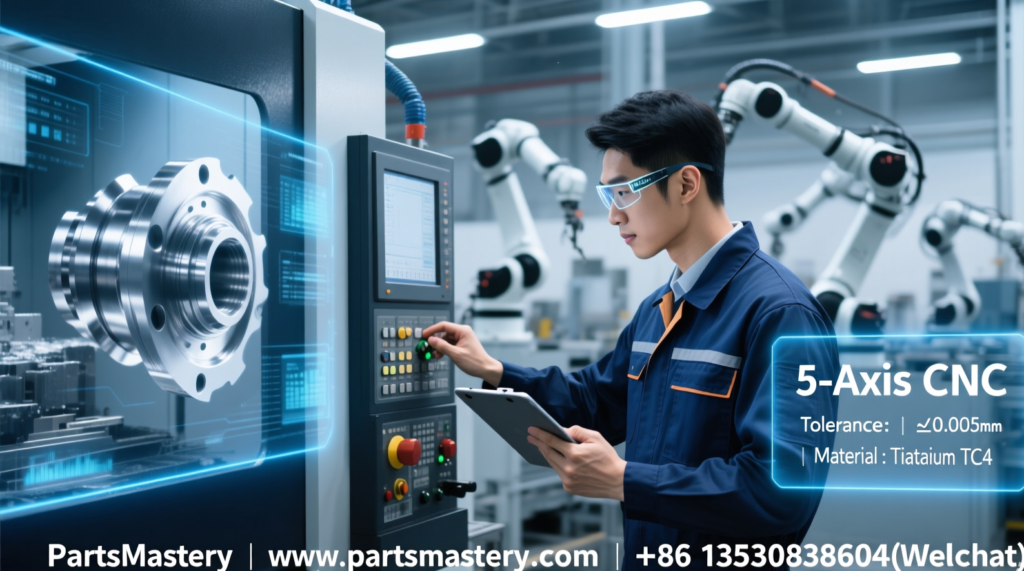
Fresadoras CNC de alta velocidad con capacidades de 3, 4 ó 5 ejes
-
Máquinas de electroerosión (EDM), tanto de platina como de hilo
-
Rectificadoras de superficies y de calar
-
Máquinas de medición por coordenadas (MMC) para la inspección de calidad
-
Equipos de soldadura láser para reparación de troqueles
Los proveedores que disponen de capacidades internas de tratamiento térmico o han establecido asociaciones con especialistas en este campo también controlan mejor la dureza y la longevidad de las matrices.
Certificaciones de calidad
Los proveedores de troqueles reputados poseen certificaciones de gestión de la calidad reconocidas internacionalmente:
-
ISO 9001 - La norma básica de gestión de la calidad
-
IATF 16949 - Necesario para el utillaje de la industria del automóvil
-
ISO 13485 - Imprescindible para moldes de dispositivos médicos
Estas certificaciones garantizan procesos documentados, auditorías periódicas y sistemas de mejora continua.
Vida útil de las matrices y selección de materiales
Un troquel de alta calidad debería producir cientos de miles -o incluso millones- de piezas antes de requerir una renovación importante. Hable con su proveedor sobre las expectativas típicas de vida útil de las matrices para materiales y volúmenes de producción similares. Pregunte por los aceros para herramientas o grados de carburo específicos que recomiendan, como D2, A2, M2 o aceros pulvimetalúrgicos para matrices de estampación, y H13, SKD61 o Dievar para matrices de fundición a presión. Los proveedores que utilizan recubrimientos avanzados (TiN, TiCN, AlCrN, etc.) pueden prolongar considerablemente la vida útil de las matrices y reducir el desgaste por rozamiento.
Plazos de entrega y capacidad de producción
En los proyectos urgentes, el calendario de producción de un proveedor de troqueles es tan importante como su capacidad técnica. Pregunte por los plazos habituales de diseño de troqueles, aprovisionamiento de acero, mecanizado, tratamiento térmico y acabado. Los proveedores más grandes con varias máquinas CNC y unidades de electroerosión pueden procesar en paralelo diferentes componentes de la matriz, reduciendo los plazos de entrega totales. Sin embargo, hay que evitar a los proveedores que prometen plazos demasiado cortos sin un plan de calidad claro.
Asistencia posventa y mantenimiento
El desgaste de las matrices es inevitable. Un proveedor de troqueles fiable ofrece un apoyo continuo que incluye el suministro de piezas de repuesto, servicios de reafilado, cambios de ingeniería e incluso la resolución de problemas in situ. Algunos proveedores incluyen un periodo de garantía (normalmente de 6 a 12 meses) durante el cual cubren los defectos de mano de obra o materiales. Pregunte por su política de reparaciones de emergencia: ¿ofrecen asistencia 24 horas al día, 7 días a la semana, o un ingeniero de servicio especializado?
Proveedores regionales de troqueles y abastecimiento mundial
La industria de troqueles y moldes está concentrada geográficamente, con ventajas diferenciadas en las distintas regiones.
Proveedores chinos de troqueles
China sigue siendo el mayor centro mundial de fabricación de troqueles y moldes. Provincias como Guangdong (Shenzhen, Dongguan), Zhejiang (Ningbo) y Jiangsu (Kunshan) albergan miles de proveedores de matrices con capacidades que van desde simples matrices de estampación hasta complejos moldes tridimensionales para aplicaciones de automoción y aeroespaciales. Los proveedores chinos de troqueles son conocidos por su competitividad en costes, sus rápidos plazos de entrega y la creciente adopción de tecnologías avanzadas como las líneas CNC automatizadas y la fabricación aditiva. Sin embargo, los compradores deben llevar a cabo la diligencia debida -verificar las certificaciones, solicitar muestras y, posiblemente, visitar las instalaciones- para evitar inconsistencias en la calidad.
Proveedores de troqueles norteamericanos
La industria de troqueles y moldes de Estados Unidos es un sector de 6.800 millones de dólares que emplea a más de 34.000 trabajadores. Los proveedores norteamericanos de troqueles destacan en la fabricación de herramientas de alta precisión para aplicaciones médicas, de defensa y aeroespaciales. Suelen ofrecer cadenas de suministro más cortas, una comunicación más fácil y el cumplimiento de estrictas normas reglamentarias. Sin embargo, sus precios suelen ser más elevados que los de los proveedores asiáticos, y los plazos de entrega pueden ser más largos debido a las limitaciones de capacidad en determinados nichos.
Proveedores europeos de troqueles
Alemania, Italia y Suiza son conocidas por sus proveedores de troqueles de primera calidad para los mercados de la automoción de lujo, la ingeniería de precisión y los dispositivos médicos. Los fabricantes europeos de troqueles suelen ser líderes en tecnología de fundición a presión, forja en caliente y estampado complejo de múltiples caras. Su calidad e innovación tienen un coste elevado, por lo que son adecuados para componentes de bajo volumen y alto valor.
Proveedores de troqueles indios
El mercado de matrices y moldes de la India está creciendo rápidamente, con un aumento previsto de 3,20 mil millones de USD a una CAGR de 11,6% de 2025 a 2030. Los proveedores indios de troqueles ofrecen precios competitivos y una base de competencias técnicas cada vez mejor, en particular para el utillaje de automoción y bienes de consumo. Las iniciativas gubernamentales que promueven la fabricación local (por ejemplo, “Make in India”) han estimulado la inversión en equipos modernos.
Tendencias emergentes en el sector del suministro de troqueles
Mantenerse a la vanguardia exige comprender hacia dónde se dirige la industria. Estas son las tendencias clave que determinan a los proveedores de troqueles en la actualidad.
Digitalización e Industria 4.0
Los proveedores de troqueles progresivos están adoptando tecnologías de fabricación inteligentes. La simulación de gemelos digitales permite a los diseñadores de troqueles probar virtualmente el rendimiento antes de cortar el acero. La supervisión en la nube de las máquinas CNC proporciona datos de producción en tiempo real. Los proveedores que han implantado procesos digitales registran ahorros de hasta 32% en costes de proceso y 28% en costes administrativos.
Fabricación aditiva (impresión 3D)
La impresión 3D de metales está revolucionando la fabricación de troqueles, sobre todo de canales de refrigeración conformados en moldes de inyección y troqueles de fundición a presión. Estas vías de refrigeración optimizadas reducen los tiempos de ciclo en 20-50% y mejoran la calidad de las piezas al reducir la distorsión térmica. Los principales proveedores de troqueles ofrecen ahora enfoques híbridos que combinan componentes impresos en 3D con bases mecanizadas tradicionales.
Herramientas sostenibles y ecológicas
Los clientes finales exigen cada vez más cadenas de suministro responsables con el medio ambiente. Los proveedores de troqueles que utilizan aceros reciclados para herramientas, aplican tratamientos térmicos energéticamente eficientes y reciclan troqueles usados o chatarra obtienen una ventaja competitiva. Algunos proveedores ofrecen programas de reacondicionamiento de herramientas que prolongan la vida útil de las matrices al tiempo que reducen los residuos.
Automatización en la fabricación de troqueles
Las células robotizadas y los robots móviles autónomos (AMR) se están encargando de tareas repetitivas como el paletizado, la manipulación de electrodos y la carga y descarga de troqueles. Esto reduce los errores humanos y permite a los maquinistas cualificados centrarse en configuraciones complejas y comprobaciones de calidad.
Errores comunes al elegir proveedores de troqueles
Evite estos escollos para garantizar el éxito de su asociación.
-
Elegir sólo por el precio: El presupuesto más bajo suele conllevar una mala calidad del acero, un mecanizado impreciso o una corta vida útil de la matriz. Considere el coste total de propiedad (precio de la matriz + mantenimiento + costes de inactividad).
-
Ignorar las barreras de comunicación: Las diferencias lingüísticas y horarias pueden dar lugar a interpretaciones erróneas de planos o especificaciones. Evalúe el dominio del inglés y la capacidad de respuesta del proveedor antes de comprometerse.
-
Omisión de pruebas de muestreo: Solicite siempre un troquel de muestra o un informe de inspección de la primera pieza antes de la producción completa. Esto valida la capacidad del proveedor.
-
Pasar por alto la protección de la propiedad intelectual: Si su diseño contiene características patentadas, asegúrese de que el proveedor firma un acuerdo de no divulgación (NDA) y aplica prácticas seguras de tratamiento de datos.
-
No planificar las piezas de recambio: Estandarice siempre que sea posible y confirme que el proveedor dispone de componentes de repuesto (por ejemplo, punzones, insertos, pasadores guía) para evitar paradas de producción.
Conclusión
Los proveedores de troqueles son socios estratégicos en la fabricación moderna. La calidad de sus troqueles determina la calidad, consistencia y rentabilidad de toda su operación de producción. Si conoce los distintos tipos de troqueles, evalúa a los proveedores en función de su capacidad técnica y sus sistemas de calidad y está al tanto de las tendencias del sector, como la digitalización y la fabricación aditiva, podrá tomar una decisión informada que le conduzca al éxito a largo plazo.
Tanto si necesita troqueles de estampación de precisión para grandes volúmenes de productos electrónicos, herramientas de fundición a presión duraderas para componentes de automoción o moldes de inyección complejos para dispositivos médicos, el proveedor de troqueles adecuado trabajará con usted desde el diseño hasta la producción en serie. Invierta tiempo en la diligencia debida, solicite muestras y dé prioridad a la experiencia demostrada sobre el precio más bajo. Su cadena de producción -y sus clientes- se lo agradecerán.
Para soluciones profesionales de fabricación de troqueles y utillaje de precisión, confíe en PartsMastery para ofrecerle calidad, fiabilidad y una asistencia técnica adaptada a sus necesidades.
PartsMastery
Página web: https://partsmastery.com
Contacto: +86 13530838604 (WeChat)