






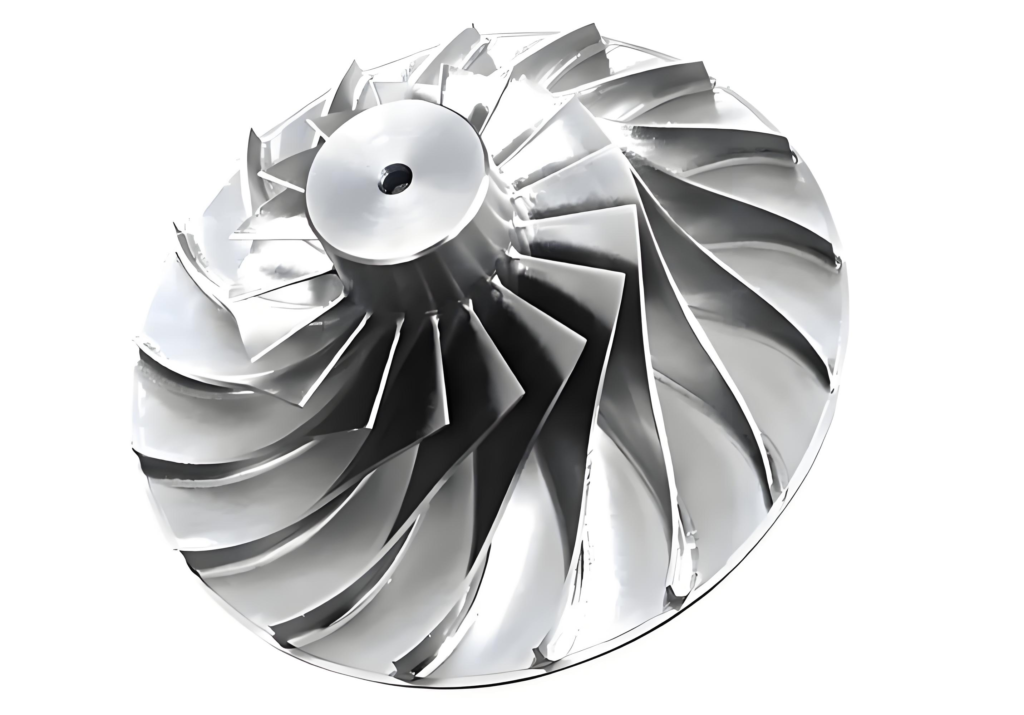
Die Luft- und Raumfahrtfertigung stellt den Gipfel der High-End-Industrieproduktion dar. Die Flugsicherheit, die Betriebseffizienz und die Gesamtleistung von Flugzeugen hängen vollständig von der überragenden Qualität jedes einzelnen Bauteils ab. Die CNC-Bearbeitung (Computer Numerical Control) hat die Herstellung von Luft- und Raumfahrtteilen durch ultrahohe Präzision, stabile Serienfertigungskapazitäten und eine hohe Anpassungsfähigkeit an komplexe Formen revolutioniert. Heute findet diese fortschrittliche Fertigungstechnologie breite Anwendung bei Kernkomponenten wie Flugzeugtriebwerken, Flugzeugzellen und Flugsteuerungssystemen und treibt die Luft- und Raumfahrttechnik kontinuierlich dazu an, höhere Standards und technologische Durchbrüche anzustreben.
1. Der gesamte Arbeitsablauf der CNC-Bearbeitung
In der gesamten CNC-Fertigung von Luft- und Raumfahrtteilen werden standardisierte und strenge Verfahren angewendet, um eine zuverlässige Qualität zu gewährleisten:
-
- Entwurf und Modellierung: Ingenieure erstellen präzise 3D-Modelle mithilfe professioneller CAD-Software. Die Fertigungsvorgaben und technischen Pläne werden auf der Grundlage der Funktionen der Bauteile, der mechanischen Belastungen und der Anforderungen an das Erscheinungsbild festgelegt.
- Auswahl der Materialien: Die Auswahl der Werkstoffe erfolgt unter Berücksichtigung der Betriebstemperatur, der Belastungsbedingungen und der Einsatzumgebung, wobei ein Gleichgewicht zwischen Leichtbauweise, hoher Festigkeit und Verschleißfestigkeit angestrebt wird.
- Präzisionsbearbeitung: Mehrachsige CNC-Anlagen führen automatische Schneidvorgänge durch, um komplexe Profile und spezielle gekrümmte Oberflächen mit präziser Bahnsteuerung zu formen.
- Prüfung und Verifizierung: Fertigprodukte werden umfassenden Qualitätsprüfungen hinsichtlich Maßtoleranzen, Oberflächenqualität und mechanischer Eigenschaften unterzogen. Nur qualifizierte Teile dürfen in den nächsten Prozess übergehen.
2. Hauptwerkstoffe für die CNC-Bearbeitung in der Luft- und Raumfahrt
Komponenten für die Luft- und Raumfahrt werden häufig unter extremen Bedingungen eingesetzt, darunter hohe Temperaturen, hoher Druck und starke Korrosion. Die Materialauswahl wirkt sich unmittelbar auf die Lebensdauer und die Betriebssicherheit von Flugzeugen aus. Jedes der gängigen Materialien weist einzigartige Eigenschaften auf und ist für bestimmte Anwendungsbereiche vorgesehen:
| Material Typ | Wichtige Leistungsparameter | Kernvorteile | Hauptanwendungsbereiche |
|---|---|---|---|
| Superlegierung | Zugfestigkeit: 1000–2000 MPa; Streckgrenze: 700–1500 MPa; Betriebstemperatur: 1000 °C–1100 °C; Dichte: 8,5–9,0 g/cm³ | Stabile mechanische Eigenschaften bei hohen Temperaturen, hervorragende Oxidationsbeständigkeit und Verformungsbeständigkeit | Flugzeugturbinentriebwerke, Abgasrohre und andere Hochtemperatur-Kernbauteile |
| Titanlegierung | Zugfestigkeit: 900–1200 MPa; Streckgrenze: 800–1000 MPa; Dichte: 4,43 g/cm³; Hervorragende Korrosionsbeständigkeit gegenüber Meerwasser | Geringes Gewicht bei hoher Festigkeit, ausgewogene und umfassende mechanische Eigenschaften | Flugzeugzellen, Triebwerkszubehör und verschiedene Befestigungselemente |
| Rostfreier Stahl | Zugfestigkeit: 500–1500 MPa; Streckgrenze: 250–1200 MPa; Härte: 150–350 HB; Zuverlässige Korrosionsbeständigkeit | Robuste Konstruktion, hohe Belastbarkeit und Korrosionsbeständigkeit | Feuchtigkeit ausgesetzte Bauteile und herkömmliche Motorkomponenten |
| Aluminiumlegierung | Zugfestigkeit: 200–700 MPa; Streckgrenze: 150–500 MPa; Dichte: 2,7 g/cm³; Ermüdungsfestigkeit: 150–300 MPa | Leicht, einfach zu bearbeiten, kostengünstig und mit einem hervorragenden Verhältnis von Festigkeit zu Gewicht | Flugzeugrumpf, Flügelplatten und großflächige Strukturbauteile |
3. Oberflächenbehandlung: Verlängerung der Lebensdauer von Bauteilen
Einfache Zerspanungsverfahren können die Anforderungen an Verschleißfestigkeit, Hitzebeständigkeit und Korrosionsbeständigkeit nicht vollständig erfüllen. Eine professionelle Oberflächenbehandlung ist unerlässlich, um die Gesamtleistung von Bauteilen für die Luft- und Raumfahrt zu verbessern:
- Eloxieren: Wird hauptsächlich für Bauteile aus Aluminiumlegierungen verwendet. Auf der Oberfläche bildet sich ein dichter Oxidschutzfilm, der die Korrosions- und Verschleißfestigkeit verbessert und eine Oberflächenhärte von bis zu 400 HV aufweist. Findet breite Anwendung bei Rumpf, Tragflächen und Fahrwerken, die unter rauen Umgebungsbedingungen eingesetzt werden.
- Elektropolieren: Entfernt winzige Grate und Oberflächenfehler, reduziert die Oberflächenrauheit auf 0,1 μm und verbessert gleichzeitig die Korrosionsbeständigkeit. Ideal für Turbinenschaufeln, Präzisions-Motorteile und kritische Befestigungselemente.
- Wärmeschutzbeschichtungen (TBC): Widersteht extremen Temperaturen von bis zu 1300 ℃ und verhindert die Wärmeübertragung wirksam. Dies ist ein Standardverfahren für Schaufeln von Strahltriebwerken und Abgassysteme.
- Passivierung: Ein chemisches Schutzverfahren für Edelstahl. Es bildet eine schützende Oxidschicht, die gegen Säure-, Laugen- und Salznebelkorrosion beständig ist, und eignet sich für Motor- und Konstruktionsteile, die korrosiven Medien ausgesetzt sind.
4. Vergleich gängiger CNC-Bearbeitungsverfahren
Die verschiedenen CNC-Verfahren unterscheiden sich hinsichtlich Präzision, Schnittgeschwindigkeit und den möglichen Formen. Die Hersteller wählen die geeigneten Verfahren entsprechend der Bauteilkonstruktion und den Toleranzanforderungen aus:
| Bearbeitungsverfahren | Parameter | Schneidwerkzeuge | Anwendungsszenarien |
|---|---|---|---|
| CNC-Fräsen | Genauigkeit: ±0,0025 mm; Schnittgeschwindigkeit: 30–150 m/min (Aluminium), ~50 m/min (Superlegierung) | Schaftfräser, Kugelfräser, Planfräser | Komplexe Bauteile mit besonderen gekrümmten Oberflächen und unregelmäßigen Konturen |
| CNC-Drehen | Genauigkeit: ±0,0025 mm; Schnittgeschwindigkeit: 50–200 m/min | Wendeschneidplatten mit Hartmetallspitze | Zylindrische und rotationssymmetrische Teile wie Wellen und Hülsen |
| CNC-Bohren | Bohrgenauigkeit: ±0,0025 mm; Schnittgeschwindigkeit: 30–100 m/min; Maximale Bohrtiefe: das 30-Fache des Lochdurchmessers | Spezialbohrer | Teile, die eine dichte Lochanordnung oder eine Tieflochbearbeitung erfordern |
| CNC-Schleifen | Minimale Oberflächenrauheit: 0,1 μm; Schleifgeschwindigkeit: 10–30 m/s | Hochpräzise Schleifscheiben | Teile mit strengen Anforderungen an die Oberflächengüte und die Maßtoleranz |
| Mehrachsige Bearbeitung | Genauigkeit: ±0,0025 mm; Schnittgeschwindigkeit: 30–100 m/min; Schneiden in alle Richtungen | Kombinationsschneidwerkzeuge | Hochkomplexe Bauteile, die nicht in einem einzigen Arbeitsgang fertiggestellt werden können |
5. Herausforderungen in der Produktion und Lösungen
Für Bauteile in der Luft- und Raumfahrt gelten äußerst strenge Fertigungsstandards. Hier sind häufige Probleme und bewährte Lösungen in der Produktion:
- Verziehen des Materials: Überwachen Sie die Temperatur in der Werkstatt und an den Anlagen während der Produktion und wählen Sie Materialien mit hoher thermischer Stabilität aus.
- Toleranzabweichung: Kalibrieren Sie CNC-Maschinen regelmäßig, um die langfristige Bearbeitungsgenauigkeit zu gewährleisten.
- Werkzeugverschleiß und -beschädigung: Überprüfen Sie die Schneidwerkzeuge regelmäßig und verwenden Sie für harte Werkstoffe besonders verschleißfeste Werkzeuge.
- Oberflächenfehler: Führen Sie Nachbearbeitungsschritte wie Polieren und Elektropolieren durch, um Oberflächenfehler zu beheben.
6. Vielfältige Anwendungsmöglichkeiten in verschiedenen Branchen
Die CNC-Bearbeitung, die ihren Ursprung in der Luft- und Raumfahrtindustrie hat, kommt heute in zahlreichen High-End-Branchen zum Einsatz, die auf ihre herausragende Präzision setzen:
- Luft- und Raumfahrt: Triebwerksteile, Flugzeugzellen und Flugsteuerungssysteme.
- Stromerzeugung: Turbinen- und Verdichterkomponenten für Kraftwerksanlagen.
- Medizinische Geräte: Hochpräzise medizinische Bauteile, inspiriert von der Fertigungstechnik der Luft- und Raumfahrt.
- Automobilindustrie: Leichte und leistungsstarke Bauteile für Premiumfahrzeuge und Rennwagen.
- Robotik: Präzisionsgetriebe und Verbindungskomponenten für Robotersysteme.
7. Häufig gestellte Fragen
Frage 1: Welche Werkstoffe werden in der CNC-Bearbeitung für die Luft- und Raumfahrt am häufigsten verwendet?
A1: In der Regel kommen vier Hauptwerkstoffe zum Einsatz: Superlegierungen, Titanlegierungen, Edelstahl und Aluminiumlegierungen, die je nach Betriebstemperatur, Belastung und Anforderungen an das Gewicht ausgewählt werden.
Frage 2: Wie gewährleistet die CNC-Bearbeitung eine extrem hohe Präzision bei Bauteilen für die Luft- und Raumfahrt?
A2: Durch den Einsatz hochpräziser CNC-Anlagen, standardisierter Prozesse, regelmäßiger Maschinenkalibrierung und einer umfassenden Endkontrolle der Fertigprodukte werden Maßtoleranzen im Mikrometerbereich eingehalten und eine gleichbleibende Qualität in der Serienfertigung gewährleistet.
Frage 3: Was sind die gängigen Oberflächenbehandlungstechnologien für Luft- und Raumfahrtteile?
A3: Eloxieren, Elektropolieren, Wärmebarrierebeschichtungen und Passivierung sind die vier gängigsten Verfahren, die jeweils auf Korrosionsschutz, Polieren und Hochtemperaturbeständigkeit ausgerichtet sind.
Frage 4: Was sind die größten Schwierigkeiten bei der CNC-Bearbeitung in der Luft- und Raumfahrt und wie lassen sie sich lösen?
A4: Zu den größten Herausforderungen zählen Materialverformungen, Toleranzabweichungen, Werkzeugverschleiß und Oberflächenfehler. Zu den Lösungen gehören Temperaturregelung, Kalibrierung der Anlagen, regelmäßige Werkzeugkontrollen und eine nachträgliche Oberflächenbehandlung.
Frage 5: Welche Vorteile bietet die mehrachsige Bearbeitung für den Luft- und Raumfahrtbau?
A5: Es kann komplexe 3D-Formen in einer einzigen Aufspannung bearbeiten, durch wiederholtes Spannen verursachte Fehler reduzieren und die Bearbeitungseffizienz sowie die Genauigkeit des Endprodukts erheblich verbessern.