






Schimmelpilze für Haushaltsgeräte: Langlebigkeit und Ästhetik für moderne Haushalte
Ziel-Stichwort: Schimmel in Haushaltsgeräten
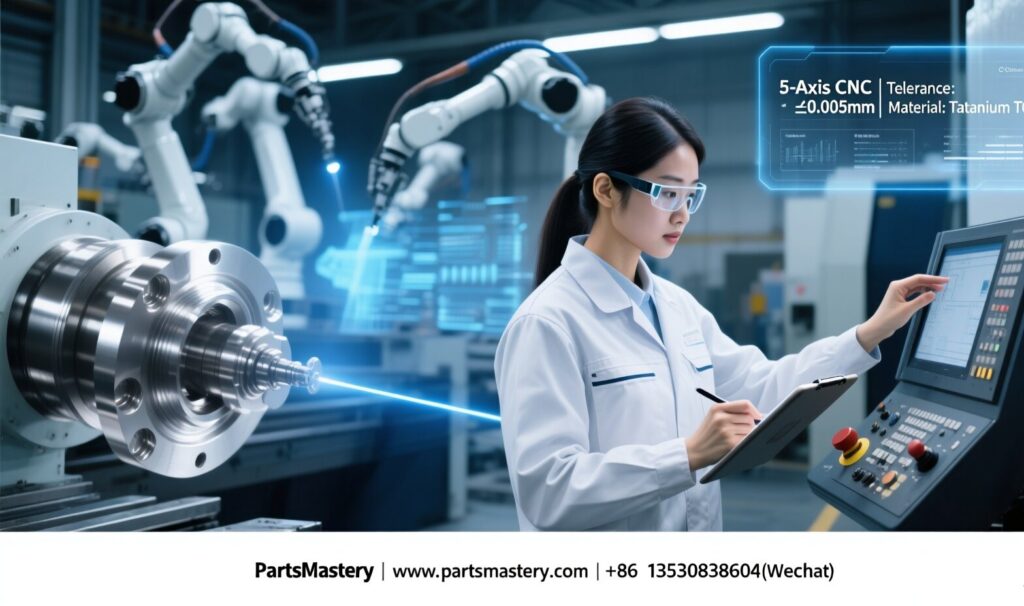
Hinter jeder Kühlschranktür, jedem Waschmaschinenpaneel und jedem Klimagerätegitter verbirgt sich ein unbesungener Held der modernen Fertigung: der Haushaltsgeräte-Schimmel. Diese großen, komplexen und präzisionsgefertigten Werkzeuge verwandeln Kunststoffgranulat in die haltbaren, attraktiven und funktionalen Komponenten, die die Haushaltsgeräte von heute ausmachen.
Unter PartsMastery, Wir entwickeln und fertigen Hochleistungsformen für die Haushaltsgeräteindustrie, in der Qualität, Maßhaltigkeit und langfristige Zuverlässigkeit der Teile nicht verhandelbar sind. Überlegen Haushaltsgeräte-Schimmel müssen Teile herstellen, die dem täglichen Gebrauch standhalten, Chemikalien und Hitze widerstehen und über Jahre hinweg ihr Aussehen behalten.
Wie sich Haushaltsgeräteformen von anderen Spritzgussformen unterscheiden
Die Haushaltsgeräteindustrie stellt besondere Anforderungen an die Konstruktion und den Bau von Formen. Im Gegensatz zu Verpackungen oder allgemeinen Industrieteilen weisen Haushaltsgerätekomponenten oft besondere Merkmale auf:
-
Abmessungen großer Teile - Waschmaschinentrommeln, Kühlschrankauskleidungen und Gehäuse von Klimaanlagen können mehr als einen Meter lang sein.
-
Oberflächenbehandlungen der Klasse A - Sichtbare Außenverkleidungen erfordern makellose, maserungsgleiche Oberflächen ohne Schweißnähte oder Einfallstellen.
-
Strukturelle Komplexität - Rippen, Nocken, Schnappverschlüsse und lebende Scharniere in einem einzigen Teil integriert.
-
Schwer entflammbare Materialien - Viele Harze für Haushaltsgeräte enthalten Zusätze, die korrosiv auf Standardformenstähle wirken.
-
Lange Produktionsläufe - ein einziges Gerätemodell kann über 5-10 Jahre Millionen von Einheiten verkaufen, was eine Lebensdauer der Form von 5-20 Millionen Zyklen erfordert.
Ein normaler Schimmelpilz kann diese Bedingungen einfach nicht überleben. Eine echte Haushaltsgeräte-Schimmel ist mit schwereren Stahlprofilen, fortschrittlichen Kühlstrategien und verschleißfesten Beschichtungen ausgestattet.
Kritische Designelemente einer qualitativ hochwertigen Haushaltsgeräteform
1. Robuste Stahlauswahl und Wärmebehandlung
In Anbetracht der großen Schließkräfte (500 bis 3.000+ Tonnen) und der langen Zykluszahlen ist die Materialauswahl von größter Bedeutung. PartsMastery verwendet:
| Sektion Schimmel | Empfohlener Stahl | Härte | Zweck |
|---|---|---|---|
| Hohlraum & Kern | P20+Ni / 1.2738 | 32-38 HRC | Ausgewogene Zähigkeit und Polierbarkeit für große Teile |
| Verschleißbleche | H13 / 1.2344 | 48-52 HRC | Gleitflächen unter hohem Klemmdruck |
| Schlitten & Heber | S7 / 1.2766 | 52-56 HRC | Stoßfestigkeit für bewegliche Kerne |
| Ätzende Harze | S136 / 420SS | 48-52 HRC | Rostfreier Stahl für schwer entflammbare Materialien |
Für hochglänzende Außenverkleidungen beschichten wir die Hohlraumoberflächen mit chemischem Nickel oder CrN und sorgen so für Hunderttausende von glänzenden Teilen ohne Ausfallzeiten beim Polieren.
2. Erweiterte Kühlung für große Teile
A Haushaltsgeräte-Schimmel für eine Kühlschranktürauskleidung (1,2 m x 0,5 m) muss die Wärme gleichmäßig über eine riesige Fläche abführen. Ungleichmäßige Kühlung führt zu Verzug, Einfallstellen und verlängerten Zykluszeiten.
PartsMastery beschäftigt:
-
Baffle- und Bubbler-Kühlung - Wasserkanäle, die mit Hilfe von Spiralleitblechen oder Strahlrohren in tiefe Kernabschnitte geleitet werden.
-
Konforme Kühlung - 3D-gedruckte Kanäle, die komplexen Konturen um Rippen und Vorsprünge folgen und die Zykluszeiten um 25-40% reduzieren.
-
Hochleistungs-Ventilblöcke - getrennte Kühlkreisläufe für Kavität, Kern und Schlitten, jeweils mit Durchflussmesser und Temperaturüberwachung.
Bei einem Projekt für einen Waschmaschinenaußenbehälter konnte durch die konforme Kühlung die Zykluszeit von 90 Sekunden auf 55 Sekunden reduziert werden - eine Verbesserung um 39% und über 200.000 zusätzliche Teile pro Jahr.
3. Auswurfsysteme für große, tiefe Teile
Große Geräteteile haben oft tiefe Einzüge und negative Entnahmewinkel. Eine standardmäßige Ausstoßeranordnung reicht nicht aus. Unser Haushaltsgeräte-Schimmel Entwürfe umfassen:
-
Hydraulische Auswerfersysteme - leistungsstarke, synchronisierte Hydraulikzylinder, die große Auswurfplatten gleichmäßig auswerfen.
-
Luftunterstützter Auswurf - Druckluft bricht Vakuumdichtungen an tiefgezogenen Teilen wie Kühlschrankauskleidungen.
-
Abstreifplatten-Systeme - ideal für Teile mit großen ebenen Flächen, die 100% bietet eine gleichmäßige Ausstoßkraft.
-
Schnittstellen für Roboter zum Mitnehmen - Präzisionsausrichtungsmerkmale für End-of-Arm-Werkzeuge.
Außerdem sind alle beweglichen Kerne und Auswerferplatten mit Positionssensoren ausgestattet, um eine Beschädigung der Form durch unvollständiges Auswerfen zu verhindern.
Oberflächenbeschaffenheit und Textur: Der sichtbare Unterschied
Für sichtbare Geräteteile - Bedienfelder, Türgriffe, Zierleisten - ist die Oberflächenqualität ein Markenzeichen. PartsMastery erreicht Oberflächen der Klasse A durch:
-
Diamantpolieren - progressive Körnungen von 400 bis 12.000, gefolgt von einer Diamantmischung für Hochglanzoberflächen.
-
Chemische Texturierung - Säureätzung zur Erzeugung von Maserungen (fein, mittel, grob), die Kratzer verbergen und sich hochwertig anfühlen.
-
EDM-Texturierung - Funkenerosion für tiefe, dauerhafte und verschleißfeste Texturen.
-
Glanzmessung - 60-Grad-Glanzeinheiten (GU), verifiziert anhand von Kundenmustern, typischerweise 85-95 GU für Hochglanzplatten.
Wir passen auch die Textur an die spezifischen Harze an - ABS benötigt feine Körner, während glasgefülltes Nylon eine tiefere Textur erfordert, um das Aussehen nach Tausenden von Zyklen zu erhalten.
Materialkompatibilität und Schrumpfungskontrolle
Verschiedene Geräteharze verhalten sich unterschiedlich in einem Haushaltsgeräte-Schimmel. Das Ingenieursteam von PartsMastery kompensiert genau das:
| Material | Schrumpfungsbereich | Besondere Überlegungen |
|---|---|---|
| ABS | 0,4-0,7% | Guter Fluss, ausgezeichneter Glanz |
| PC/ABS-Mischung | 0,5-0,8% | Hohe Schlagfestigkeit, UV-Stabilisierung erforderlich |
| PP + Talkum | 1,0-1,5% | Verzugsrisiko, erfordert ausgewogene Kühlung |
| Flammenhemmendes ABS | 0,3-0,6% | Freisetzung ätzender Gase, Edelstahl empfohlen |
| Glasgefülltes Nylon | 0,2-0,5% | Starke Abrasivität, erfordert gehärteten Stahl |
Wir führen bei jedem Projekt eine vollständige Formflussanalyse durch und simulieren Füllmuster, Schweißnahtpositionen, Lufteinschlüsse und Druckabfall, bevor wir den Stahl schneiden.
Mehrkavitäten- und Familienformen für die Haushaltsgeräteproduktion
Obwohl die Formen für Haushaltsgeräte aufgrund der Größe der Teile in der Regel nur eine Kavität haben, entwerfen wir sie häufig:
-
Familie Schimmelpilze - mehrere unterschiedliche Teile (z. B. linke und rechte Bedienfeldverkleidung) in einem Formboden, was die Werkzeuginvestitionen reduziert.
-
Layouts mit zwei+zwei Hohlräumen - für kleinere Bauteile wie Knopfleisten, Lüftungsgitter oder Scharnierabdeckungen.
-
Rotations-Etagenkokillen - für das Doppelspritzgießen von Soft-Touch-Formteilen (z. B. TPE auf ABS für Griffe).
Jede Konfiguration ist so ausbalanciert, dass der Füll- und Packdruck in allen Kavitäten gleich ist, was durch Kurzzeittests überprüft wird.
Qualitätssicherung für Formen für Haushaltsgeräte
In Anbetracht der hohen Kosten für Gerätewerkzeuge und der langen Produktionsläufe ist eine strenge Validierung unerlässlich. Jede Haushaltsgeräte-Schimmel von PartsMastery unterliegt:
-
Überprüfung des Designs auf Herstellbarkeit (DFM) - 3D-Modellanalyse für Entformungswinkel, Wanddickenkonsistenz, Anschnittplatzierung und Auswurf.
-
Simulation der Formströmung - Überprüfung des Füllungsgleichgewichts, der Gleichmäßigkeit der Kühlung und der Verzugsvorhersagen.
-
CMM-Prüfung - alle kritischen Abmessungen auf ±0,02 mm geprüft, einschließlich Trennfugen und Gleitbahnen.
-
Musterformung - 200 Dauerschüsse, gemessen auf Gewichtsstabilität (max. 0,5% Abweichung) und kosmetische Mängel.
-
Überprüfung der Montage - Testeinbau von Musterteilen in tatsächliche Gerätebaugruppen zur Bestätigung von Passform und Funktion.
Wir liefern eine vollständige Dokumentation mit Materialzertifikaten, Wärmebehandlungsprotokollen und Prüfberichten.
Häufige Gerätedefekte durch besseres Werkzeugdesign gelöst
Geringe Qualität Haushaltsgeräte-Schimmel Designs häufig verursachen:
-
Einfallstellen - Vertiefungen gegenüber dicken Rippen oder Vorsprüngen. Abhilfe durch Verringerung der Wanddickenschwankungen und Hinzufügen einer gleichmäßigen Kühlung.
-
Schweißlinien - sichtbare Linien, an denen die Strömungsfronten zusammentreffen und die Struktur schwächen. Abhilfe durch Anpassung der Schieberpositionen oder Einbau von Überlaufschächten.
-
Kurze Schüsse - unvollständige Füllung an den äußersten Ecken. Abhilfe durch größere Anschnitte, höheren Einspritzdruck oder verbesserte Entlüftung.
-
Auswerfermarken - sichtbare Nadelabdrücke auf kosmetischen Oberflächen. Abhilfe durch Verwendung von Abstreifplatten oder Ausblasen.
-
Verzug - verdrehte oder verbogene Teile. Gelöst durch ausgewogene Kühlung und gleichmäßige Wandstärke.
Die DFM-Prüfung von PartsMastery deckt diese Probleme vor der Produktion auf und erspart wochenlange kostspielige Änderungen an der Form.
Automatisierungsfähige Funktionen
Moderne Fertigungsstraßen für Haushaltsgeräte sind hoch automatisiert, mit Robotern, Förderbändern und Bildverarbeitungssystemen. Unser Haushaltsgeräte-Schimmel Entwürfe umfassen:
-
In der Form montierte Sensoren - Werkzeuginnendruck-, Temperatur- und Positionsrückmeldung zur Prozessüberwachung in Echtzeit.
-
Systeme für den schnellen Werkzeugwechsel (QMC) - standardisierte Klemmschlitze und Wasser-/Elektro-Schnellanschlüsse für 10-minütige Umrüstungen.
-
Zentralisierte Wasserverteiler - farbcodierte, gekennzeichnete Kreisläufe mit Durchflussreglern und Lecksensoren.
-
Bestätigung der Auswerferplatte - Positionssensoren, die den vollständigen Auswurf vor dem Schließen der Form überprüfen.
Diese Funktionen reduzieren die Ausfallzeiten und ermöglichen eine Produktion ohne Licht.
Warum PartsMastery für Ihre Haushaltsgerätewerkzeuge?
Mit jahrzehntelanger Erfahrung in der Lieferung von Haushaltsgeräte-Schimmel Lösungen für globale Marken, bietet PartsMastery:
-
Eigene Fertigung - 20+ CNC-Maschinen, EDM, Drahterodieren, CMM und Flachschleifen. Keine Verzögerungen beim Outsourcing.
-
Große Formkapazität - Formen bis zu 10 Tonnen und 2m x 1,5m unterstützt.
-
Weltweite technische Unterstützung - regionales Ersatzteillager, Fehlerbehebung aus der Ferne, Vor-Ort-Service verfügbar.
-
Wettbewerbsfähige Direktpreise - keine Aufschläge von Handelsunternehmen.
Die Quintessenz
Ein Vorgesetzter Haushaltsgeräte-Schimmel ist eine Investition in Qualität, Effizienz und Markenreputation. Schnellere Zyklen senken die Kosten pro Teil. Bessere Kühlung vermeidet Verzug und Ausschuss. Oberflächen der Klasse A begeistern die Kunden und sorgen für Spitzenpreise. Wenn Sie die Vorteile zusammenzählen, machen sich Präzisionswerkzeuge schneller bezahlt als jede andere Produktionsanlage.
Ganz gleich, ob Sie Kühlschrankauflagen, Waschmaschinenwannen, Klimagitter oder andere Gerätekomponenten benötigen, PartsMastery bietet Leistung, Haltbarkeit und Unterstützung.
Sind Sie bereit für ein Upgrade Ihrer Geräteproduktion?
Kontakt PartsMastery heute für eine technische Beratung und eine kostenlose DFM-Analyse.
Anrufen oder WhatsApp: +86 13530838604 (WeChat verfügbar)
Lassen Sie uns die Form bauen, die Ihre Geräte der nächsten Generation antreibt.