




Comprehensive Guide to Die Manufacturers: The Backbone of Precision Manufacturing
Introduction
Die manufacturing is a cornerstone of modern industrial production. Without high-precision dies, there would be no complex components for automobiles, aircraft, electronic devices, or consumer goods. The global die and mould industry has been experiencing steady growth, with the industrial mold market valued at approximately USD 46.7 billion in 2025 and projected to grow at a compound annual growth rate (CAGR) of 7.7% before reaching USD 91 billion by 2034. The broader industrial molds market, encompassing various mold types and applications, was valued at USD 105.41 billion in 2025.
As industries worldwide demand increasingly precise and complex components, the role of die manufacturers has become more critical than ever. This article provides an in-depth look at the die manufacturing industry, key manufacturers across different sectors, the technologies driving innovation, and essential criteria for selecting the right manufacturing partner.
Types of Die Manufacturers and Their Specializations
Die manufacturers typically specialize in specific types of tooling and manufacturing processes. Understanding these specializations is essential for buyers seeking the right partner for their projects.
Injection Mold Manufacturers
Injection molding is one of the most common manufacturing processes for producing plastic parts. Injection mold manufacturers design and produce cavities that allow molten plastic to be injected under high pressure to form precise shapes. These manufacturers serve industries ranging from consumer electronics and automotive to medical devices and packaging.
Die Casting Die Manufacturers
Die casting is a metal-forming process where molten metal—typically aluminum, zinc, or magnesium—is injected into a mold cavity under high pressure. Die casting die manufacturers specialize in producing durable molds capable of withstanding extreme temperatures (400°C to 700°C) and high injection pressures. The automotive industry accounts for approximately 77% of the die casting market, making it the largest downstream driver for this sector. Leading equipment manufacturers have delivered over 50 units of 9,000-ton-plus die casting machines paired with custom molds equipped with conformal cooling systems.
Stamping Die Manufacturers
Stamping dies are used in metal stamping processes to cut, shape, and form sheet metal into finished components. These dies range from simple blanking dies to complex progressive dies capable of performing multiple operations in a single press stroke. Stamping die manufacturers often serve the automotive, appliance, and HVAC industries where high-volume metal component production is required.
Extrusion Die Manufacturers
Extrusion dies are used to produce continuous profiles from materials such as aluminum, plastic, or rubber. These manufacturers create dies that shape molten or softened material as it is forced through a specially designed opening. Applications include window frames, piping, tubing, and various structural profiles.
Key Regions for Die Manufacturing
China: The Global Manufacturing Hub
China remains the dominant force in global tooling and component manufacturing. The country’s industrial mold market is experiencing significant growth driven by robust manufacturing sector demand for automotive components, electronics, and consumer goods. Regional specialization allows buyers to align their technical requirements with geographically concentrated expertise:
-
Guangdong (Shenzhen, Dongguan): Renowned for plastic injection molds and die-casting dies, particularly for the electronics, consumer goods, and automotive sectors. Rapid prototyping capabilities and short lead times are hallmarks of this region.
-
Zhejiang (Ningbo): Known for precision metal stamping dies and high-volume production capabilities, with strong material traceability systems suitable for regulated industries.
-
Jiangsu (Kunshan): Specializes in automotive-grade tooling and surface-treated dies, often integrating automation and digital quality control.
-
Beijing-Tianjin Corridor: Home to high-precision engineering firms specializing in aerospace, medical devices, and optical components requiring micron-level tolerances.
One prominent trend in the Chinese market is the increasing demand for high-precision molds driven by the growth of industries such as automotive, electronics, and aerospace. This is leading mold manufacturers to invest in advanced technologies like CNC machining and three-dimensional printing to meet the demand for complex and custom molds.
North America
The United States industrial mold manufacturing industry represents a USD 6.8 billion sector, employing approximately 34,901 workers across 1,313 companies. North American die manufacturers face pressures including tariff uncertainty, rising raw material costs, and cautious investment sentiment. The North American market for integrated die-casting molds is estimated to increase from millions in 2025 into projected growth through 2031.
Europe
The die casting industry in Europe is under pressure to transform due to volatile raw material prices, stricter ESG requirements, rapid technological change, and demand for sustainable, locally stable supply chains. Key European die manufacturers often specialize in high-precision tooling for automotive, medical, and aerospace applications. Major trade events such as EUROGUSS (held biannually) serve as key meeting points for the European die-casting industry.
India
The India dies and molds market is experiencing rapid growth, with market size expected to increase by USD 3.20 billion at a CAGR of 11.6% from 2025 to 2030. This growth is driven by India’s expanding manufacturing base, increasing automotive production, and government initiatives supporting local manufacturing.
Major Global Die Manufacturers
The global landscape of die manufacturers includes both established multinational corporations and specialized regional players. Key companies in the dies (manufacturing) sector include AWEBA Werkzeugbau, Suruga, Natoli Engineering Company, RotoMetrics, Strohwig Industries, Atlas Die, KS Tooling, Yamanaka, and Arthur Harris. The global market for dies (manufacturing) was estimated to be worth USD 2.49 billion in 2024 and is forecast to reach USD 3.47 billion by 2031 with a CAGR of 7.02%.
In the integrated die-casting mold segment, key global manufacturers include Storskogen (SF Tooling Group GmbH), Guangzhou Die and Mould Manufacturing, Heli Mould Technology, Ningbo Beilun Sciveda Machinery, ZDM (Zhenzhi) Machinery & Mould, and Wencan Group. The die and mould market encompasses players such as Ogihara, Roeders, Motor Dies, Nypro, Himile Mechanical Science and Technology, Hella, Chengfei Integration Technology, Changhong Technology, Adval Tech, Tongling Zhongfa Suntech, and Greatoo Molds.
Critical Factors in Die Manufacturing
Precision and Tolerances
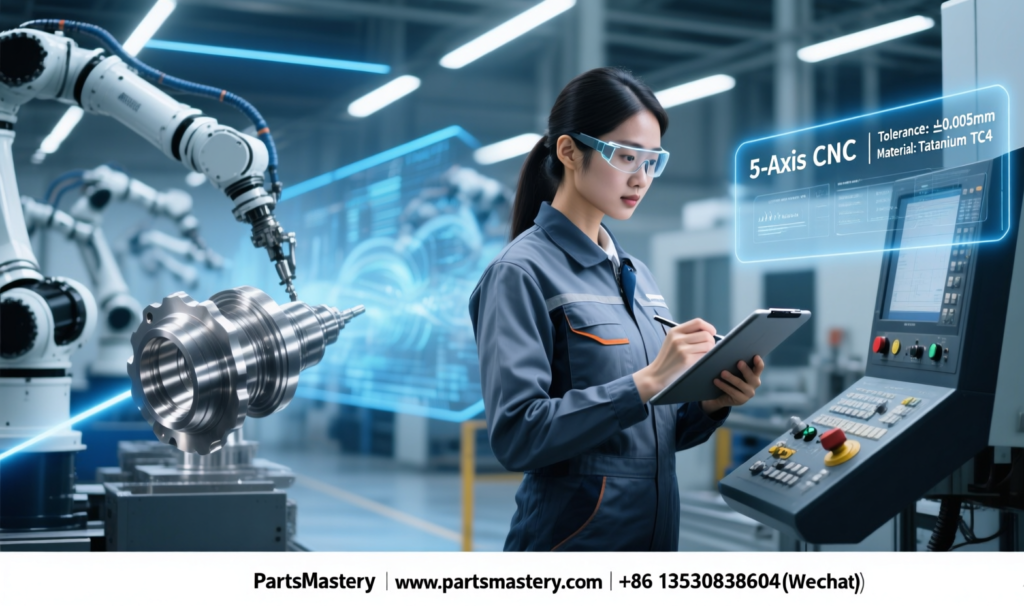
Die manufacturing demands exceptional precision. Modern die manufacturers utilize advanced CNC machining centers capable of achieving tolerances of ±0.005mm or better. Electrical discharge machining (EDM), surface grinding, and coordinate measuring machines (CMM) for first-article inspection are standard capabilities among top-tier manufacturers.
Material Selection
The choice of die material directly impacts die life, product quality, and production efficiency. Hot-work steels such as H13 are preferred for forging or die-casting molds exposed to thermal cycling. For ultra-high-lifetime requirements, carbide or polycrystalline diamond (PCD) inserts are used, especially in wire drawing or extrusion dies. Recent innovations include heat-treatment-free aluminum alloys, with global usage jumping 180% year-on-year in 2024, eliminating post-casting heat treatment and reducing mold thermal fatigue.
Quality Certifications
Reputable die manufacturers hold relevant certifications that demonstrate their commitment to quality. ISO 9001 is the fundamental quality management standard. IATF 16949 certification is required for automotive industry suppliers. ISO 13485 is essential for medical device molds. These certifications provide buyers with confidence in the manufacturer’s quality systems and process controls.
Industry Trends Shaping the Future of Die Manufacturing
Digital Transformation and AI Integration
Digitalization presents one of the greatest opportunities for die manufacturers, with companies that digitalize their processes saving up to 32% on process costs, 28% on administrative costs, and 22% on storage costs. However, the industry faces significant challenges: 73% of companies are beginners at digitalization, 82% work primarily with manual or semi-automated processes, and 72% struggle with digital collaboration.
Artificial intelligence is emerging as a practical tool for die manufacturing, with use cases including automated requirements analysis, offer preparation, documentation, machine selection, quality forecasting, and predictive maintenance. These applications are not theoretical—they can be implemented right now with the right data foundation and consistent processes.
Sustainability and Green Manufacturing
Green transformation has become a key trend, with recycled aluminum as a core material for die-cast components. In 2025, recycled aluminum accounts for 23.6% of raw materials, cutting energy consumption by 95% compared to primary aluminum. Customers are increasingly paying attention to the environmental footprint of their supply chains. Certifications such as ISO 14001 (environmental management) or ISO 50001 (energy management) are opening doors to new orders.
Additive Manufacturing
Three-dimensionally printed mold inserts with conformal cooling are improving cycle times and quality in injection molding and die casting. Metallic 3D printing is also gaining importance in repair and post-processing, representing an innovative field with significant future potential.
Automation
Pallet storage, flexible robot systems, and autonomous mobile robot (AMR) solutions are increasingly taking over secondary processes. At the same time, the integration of touch probes, CAM systems, and machine controls enables a continuous process chain—even for batch size one.
Standardization
Although many tools are unique, processes and components can be standardized. This not only facilitates automation but also reduces throughput times and manual errors. Manufacturers who standardize can produce more flexibly and economically, even in small quantities.
Challenges Facing the Die Manufacturing Industry
Die manufacturers face several significant challenges. Raw material tariffs remain a top concern, along with higher overall costs. Inflation and wage pressures, while less severe than in previous years, continue to impact manufacturers. The automotive sector has experienced declines, and intense competition puts pressure on margins. Skilled labor shortages remain a persistent issue, with a high demand for qualified workers and engineering talent.
In the Chinese market specifically, increasing labor costs, competition from other low-cost manufacturing countries, intellectual property protection issues, and the need for continuous technological investment present ongoing challenges.
How to Select the Right Die Manufacturer
Selecting a reliable die casting or mold manufacturer requires a structured assessment framework that goes beyond price and lead time. Buyers must evaluate both technical competence and operational reliability to mitigate risks related to mold failure, production delays, or dimensional inaccuracies.
To find a reliable die manufacturer, buyers should verify relevant certifications, evaluate design for manufacturability (DFM) reports and mold flow analysis, check the manufacturer’s in-house equipment list, and review their track record with projects similar to your requirements. Key assessment criteria include technical capabilities and equipment, compliance with industry standards, quality assurance processes, production capacity, and after-sales support.
The tendency to select a custom mold manufacturing supplier based on price alone in most cases results in increased lifecycle costs and operational interruptions. Instead, buyers should prioritize technical expertise, proven quality systems, reliable communication, and demonstrated consistency in results.
Major Industry Trade Events
Several major trade events provide opportunities for buyers to connect with die manufacturers and stay current with industry developments. Asiamold Select – Guangzhou, South China’s leading exhibition for mould making, stamping, die casting, and additive manufacturing technologies, will return to Guangzhou from March 4–6, 2026. ASIA-MOLD Select – Shenzhen will take place from August 26–28, 2026 at Shenzhen World Exhibition and Convention Center. China DIECASTING & CHINA NONFERROUS 2026 is scheduled for July 15–17, 2026 at the Shanghai New International Expo Centre. EUROGUSS, the leading trade fair for die casting, is held biannually in Europe.
These events showcase cutting-edge mold design and manufacturing technologies, providing valuable networking opportunities and insights into the latest industry innovations.
Conclusion
Die manufacturers are the invisible heroes of modern industrial production. Their precision tooling enables the mass production of components that power our automobiles, electronics, medical devices, and countless other products. As global markets continue to demand higher precision, shorter lead times, and more sustainable manufacturing practices, die manufacturers that embrace digitalization, automation, and advanced materials will lead the industry forward.
The global die and mould market continues to show strong growth potential, with Asia-Pacific maintaining its position as the largest regional market. Whether you require injection molds, die-casting dies, stamping tools, or extrusion dies, selecting the right manufacturing partner requires careful evaluation of technical capabilities, quality systems, and track record. By understanding the key players, regional specializations, and industry trends outlined in this guide, buyers can make informed decisions that ensure high-quality results and long-term manufacturing success.
PartsMastery
Website: https://partsmastery.com
Contact: +86 13530838604 (WeChat)