




China Mould Wholesale
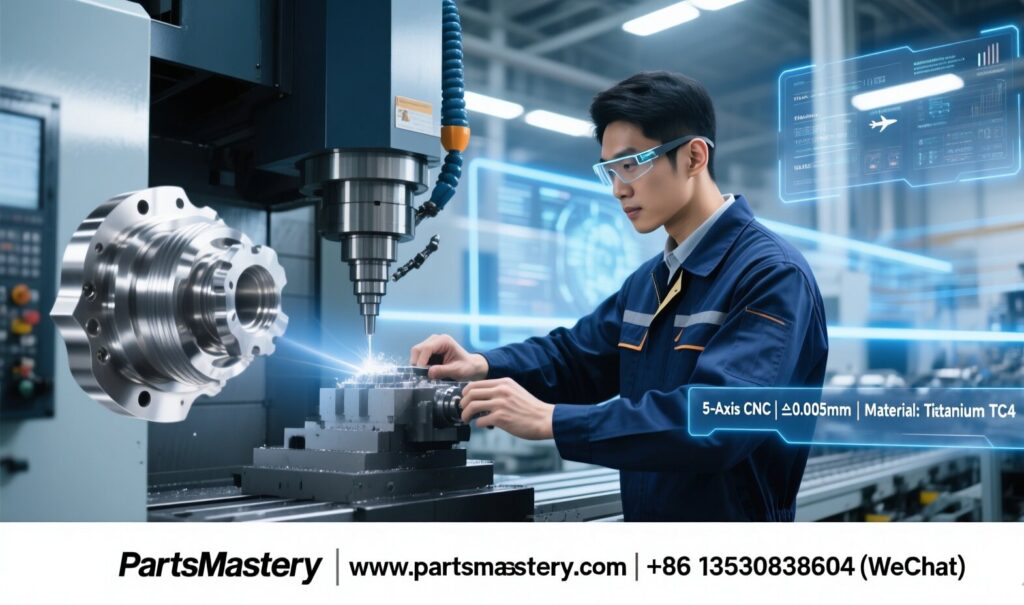
In the global manufacturing landscape, few sectors have demonstrated the resilience, scalability, and technical sophistication of China’s mould industry. For businesses seeking cost-effective, high-quality tooling solutions, China mould wholesale has emerged as the dominant sourcing destination. With decades of accumulated expertise, vertically integrated supply chains, and an unmatched ecosystem of specialized manufacturers, China continues to set the global standard for mould production. This article explores the advantages of wholesale mould sourcing from China, the key manufacturing regions driving this industry, and how buyers can navigate the procurement process to secure reliable partnerships.
China’s Dominance in Global Mould Manufacturing
China’s position as the world’s leading mould producer is not accidental. The country accounts for a commanding share of global mould output, with consumption and production figures far exceeding any other nation in Eastern Asia. Regional data shows that China accounts for 45% of regional demand at 80 million units and an even more commanding 64% of production output at 82 million units. This scale is supported by a deeply integrated industrial infrastructure that spans raw material supply, precision machining, heat treatment, quality inspection, and export logistics—often all within a single province.
The strength of China’s mould-making ecosystem lies in its vertical integration. Suppliers frequently control everything from design and prototyping to final production and packaging, enabling rapid iteration and low minimum order quantities that benefit both startups and established brands. This integration reduces reliance on third-party subcontractors, cutting lead times by up to 30% compared to fragmented outsourcing models.
Key Manufacturing Hubs for Mould Wholesale
Understanding China’s regional specialization is essential for effective wholesale sourcing. Different provinces have developed distinct expertise, allowing buyers to align their project requirements with the right geographic clusters.
Zhejiang Province stands as a precision engineering powerhouse. Ningbo and Taizhou are renowned for high-precision plastic moulds used in consumer household goods, hosting dense ecosystems of specialized toolmakers, material suppliers, and injection molders. Taizhou alone is home to over 30% of the nation’s plastic injection mould output, with factories benefiting from reduced lead times and lower overhead due to localized supply chains. This integration enables faster material procurement, often cutting sourcing delays by up to 40% compared to offshore manufacturing alternatives.
Guangdong Province leads in innovation and scale. Home to Shenzhen and Dongguan, this region excels in high-volume production and rapid prototyping, benefiting from advanced automation, robust R&D capabilities, and deep supply chain integration. The Pearl River Delta alone contributes over 40% of national plastic component output, leveraging proximity to polymer distribution centers and major export ports.
Henan Province has emerged as a cost-effective manufacturing hub with growing technical maturity. Suppliers here produce high-quality moulds suitable for mid-range applications, particularly in architectural and decorative sectors, without sacrificing reliability.
Cost Advantages of Wholesale Mould Sourcing
The economic case for sourcing moulds from China is compelling. Overall mould costs are typically 30% to 50% lower than locally sourced alternatives in North America or Europe, with the advantage becoming even more pronounced for complex structures. This cost differential stems from multiple factors: competitive labor rates, accessible raw materials, optimized supply chains, and economies of scale that reduce per-unit costs as production volumes expand.
For industrial injection molding specifically, Chinese manufacturers maintain cost advantages of 20% to 35% compared to North American or European counterparts, while delivering custom projects in typical turnaround times of 25 to 35 days. Production costs in China—including labor, energy, and supply chain expenses—are just 30% to 50% of U.S. costs, making it particularly attractive for tooling and production setups.
Quality Assurance and Supplier Selection
While cost advantages are significant, successful wholesale sourcing requires diligent supplier evaluation. A structured assessment framework should examine technical capability, operational reliability, and communication efficiency.
On-time delivery rates above 90% and reorder rates exceeding 25% serve as strong indicators of consistent quality control. Response time is another critical metric—suppliers who reply within 5 hours typically maintain dedicated customer service teams and efficient internal workflows. Buyers should also verify that suppliers operate their own molding lines rather than outsourcing, as vertical integration minimizes third-party risks and accelerates turnaround.
For industries requiring regulatory compliance—such as food-contact items, medical devices, or automotive components—verifying certifications like ISO 9001, IATF 16949, or ISO 13485 is essential. Documentation for material safety, including RoHS and REACH compliance where applicable, should be requested before order placement.
Customization and OEM/ODM Capabilities
Modern wholesale mould procurement extends beyond off-the-shelf solutions. Leading Chinese manufacturers offer comprehensive OEM/ODM services, supporting everything from logo embossing and custom cavity engraving to tailored packaging configurations. Top-tier suppliers accept design input in standard file formats like STP or STEP, and allow post-design modifications during trial phases.
This flexibility is particularly valuable for brands seeking differentiated products. Suppliers with in-house engineering teams can provide design for manufacturability (DFM) feedback, wall thickness optimization, draft angle recommendations, and flow analysis—reducing iteration cycles and accelerating time to market.
Navigating the Wholesale Procurement Process
For buyers new to China mould sourcing, a structured approach reduces risk and ensures successful outcomes. The process typically begins with a comprehensive RFQ (Request for Quotation) that includes material specifications, dimensional tolerances, expected volumes, and delivery timelines. Clear documentation—including 3D CAD files in STEP or IGES format—enables suppliers to provide accurate quotes and feasibility assessments.
Intellectual property protection remains a legitimate concern. Before sharing designs, buyers should register relevant patents and use bilingual non-disclosure agreements with clear penalty clauses. Mold ownership rights must be explicitly defined in writing, covering legal title, storage arrangements, transfer rights, and modification permissions.
Requesting sample parts before committing to volume orders is strongly recommended. This step can uncover defects in surface finish, dimensional accuracy, or release performance that might otherwise go unnoticed until mass production. For first-time partnerships, conducting facility audits—either in person or via live video tour—provides valuable insight into shop floor organization, equipment maintenance, and quality control protocols.
The Future of China Mould Wholesale
As global manufacturing continues to evolve, China’s mould industry is adapting to meet new demands. Suppliers are increasingly investing in advanced automation, digital design tools, and precision machining capabilities. Many now offer integrated CAD/CAM/CAE platforms like SolidWorks, UG (Unigraphics), and AutoCAD, enabling precise simulation of mold flow and structural integrity before fabrication begins.
The rise of small-batch, multi-variant production is also reshaping the wholesale landscape. Chinese manufacturers now support rapid small-batch production to meet dynamic market demands, making it feasible for businesses to test new products without committing to massive initial tooling investments.
Conclusion
For businesses seeking reliable, cost-effective mould solutions, China mould wholesale offers an unparalleled combination of value, quality, and scalability. From precision plastic injection molds for household products to specialized tooling for automotive and industrial applications, China’s manufacturing ecosystem provides the technical depth and operational efficiency that global buyers demand. By understanding regional specializations, implementing structured supplier evaluation processes, and protecting intellectual property through proper documentation, businesses can build lasting partnerships that drive product excellence and competitive advantage.
PartsMastery is your trusted partner in China mould wholesale. With deep industry expertise and a commitment to quality, PartsMastery delivers precision mould solutions tailored to your specifications. Contact us today to discuss your project requirements.
Phone / WeChat: +86 13530838604
Website: https://partsmastery.com