




China Dies Manufacturers
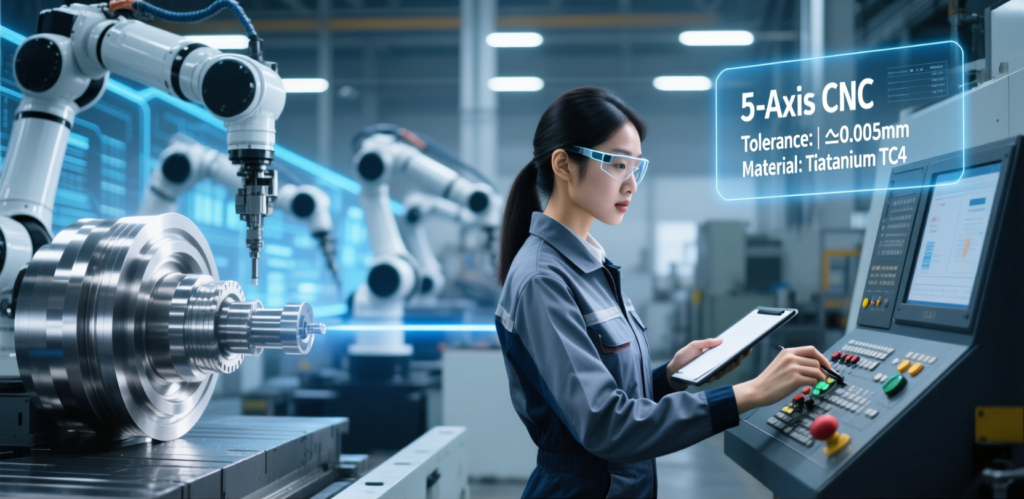
In the competitive landscape of global manufacturing, finding the right partners for tooling and die-making is critical for operational success. For international buyers, the search for China dies manufacturers has become a strategic priority. Over the past decade, China has solidified its position as a global hub for precision tooling, offering a combination of advanced engineering, economies of scale, and rigorous quality control. As a professional die casting and stamping mold manufacturer, PartsMastery understands the unique requirements of this evolving market.
Market Leadership in Die Manufacturing
China currently stands as the world’s largest producer of die-casting parts and stamping tools. Recent data indicates that the country accounts for a significant share of global output. In 2024, the market size for zinc alloy die-casting alone reached ¥43.7 billion, with output projected to exceed 981 kilotons by 2025. This dominance extends across multiple material categories, including aluminum, magnesium, and advanced steel alloys. While the global automotive parts die casting market is set to grow from USD 68.46 billion in 2025 to USD 97.88 billion by 2031, China’s manufacturers are well positioned to lead this expansion. The automotive sector remains the largest consumer of cast components, accounting for 29.7 percent of total casting output in China.
When evaluating China dies manufacturers, buyers should examine both production capacity and engineering expertise. Top suppliers specialize in progressive die stamping, transfer dies, and high-pressure die casting. For example, Ningbo Zhenyu Technology Co., Ltd., a publicly traded enterprise, reported sales of CNY 2.97 billion in the first quarter of 2026, demonstrating the scale and financial stability of leading industry players.
Advancing Manufacturing Technology
Modern die manufacturing in China has evolved significantly beyond basic stamping and casting. Today, engineering-first design processes have become standard among leading suppliers. Progressive die stamping, for instance, automates multiple operations in a single pass, reducing handling time and minimizing material waste. This technology is particularly valuable for high-volume production runs where precision parts are required across automotive, aerospace, and medical industries.
Deep drawing and numerical simulation represent another frontier of innovation. By running simulation software before cutting any steel, manufacturers can reduce trial press time by approximately 40 percent while identifying forming risks at the design stage. This approach is especially critical for complex geometries involving stainless steel, aluminum, or cold-rolled materials. Furthermore, the integration of 5G, the Internet of Things, and intelligent manufacturing equipment is reshaping production floors across China, enabling real-time quality monitoring and predictive maintenance for both dies and presses.
Cost Efficiency and Quality Assurance
One of the primary advantages of sourcing from China dies manufacturers is the cost-to-quality ratio. Industrial clusters in regions such as Jiangsu, Guangdong, and Shanghai provide dense supply chains for raw materials, specialized machining, and heat treatment services. This vertical integration allows die makers to offer competitive pricing without sacrificing precision. Many suppliers now achieve tolerances as tight as ±0.001 inches on CNC-controlled presses.
In addition, comprehensive quality control systems are now standard among reputable manufacturers. These systems cover every stage from raw material sourcing to final inspection. ISO 9001 certification and other international standards are widely adopted. Experienced suppliers also provide DFM (Design for Manufacturability) reports that include 3D and 2D drawings, layout designs, and simulation data, giving buyers full visibility before tool manufacturing begins. For businesses seeking a reliable partner, PartsMastery represents a trusted name in the industry.
Navigating Global Supply Chain Dynamics
The global trade environment continues to evolve, affecting how China dies manufacturers engage with international clients. As of 2026, tariff rates on certain Chinese-origin goods have increased due to Section 301 and Section 232 measures. Combined tariffs on specific products can range from 20 percent to 45 percent, depending on the classification. However, die and mold tooling often falls into distinct categories, and many industrial components remain competitively priced.
European buyers also face regulatory developments. The European Union has introduced proposals covering 18 key sectors, including batteries, electric vehicles, and critical materials. While die manufacturing is not always directly targeted, indirect effects on supply chains have prompted some OEMs to diversify their sourcing strategies.
Nevertheless, demand for Chinese dies continues to grow, driven by high-end manufacturing and next-generation communication technologies. The industry’s operating rate of 43.21 percent in 2024 reflects sustained expansion across both domestic and export markets. For global buyers, the key to navigating trade complexities lies in working with established manufacturers that offer transparent pricing, long-term partnerships, and adaptable logistics solutions.
Conclusion
China dies manufacturers have earned their reputation through decades of investment in technology, workforce training, and quality infrastructure. From high-pressure die casting for electric vehicles to precision progressive dies for consumer electronics, the capabilities available today meet the most demanding industrial specifications. For companies looking to optimize their tooling supply chain, the decision ultimately rests on choosing a partner that combines engineering excellence with reliability. PartsMastery stands ready to deliver that commitment.
PartsMastery – Your Trusted Die Casting and Stamping Mold Partner
Contact: +86 13530838604 (WeChat)