








قالب السيارات
The modern vehicle is a symphony of precision components. From the curve of a fender to the latch mechanism inside a glovebox, almost every plastic, composite, and metal part in a car begins as a cavity within an automotive mold. These high-stakes tools are the unsung heroes of mass production, enabling manufacturers to produce millions of identical, high-tolerance parts at speeds that would have seemed impossible a generation ago.
أن automotive mold is not a simple block of steel with a hole in it. It is a complex system of cores, cavities, slides, lifters, cooling channels, and ejection mechanisms — all working in perfect synchrony every few seconds. When an automotive mold is designed and built correctly, it runs unattended for weeks. When it is not, it becomes a source of scrap, downtime, and rework. For Tier 1 suppliers, aftermarket part manufacturers, and restoration specialists alike, understanding what separates a world-class automotive mold from an average one is essential to protecting both quality and profit margins.
The Hidden Complexity Inside Every Automotive Mold
At first glance, an automotive mold appears simple: molten material is injected into a shaped cavity, cooled, and ejected as a finished part. But consider a typical instrument panel component. It may include mounting bosses, rib structures, snap-fit clips, and textured surfaces — all of which must release cleanly without distortion. Achieving this requires careful attention to draft angles (typically 1–3 degrees per side), parting line placement, and surface finish.
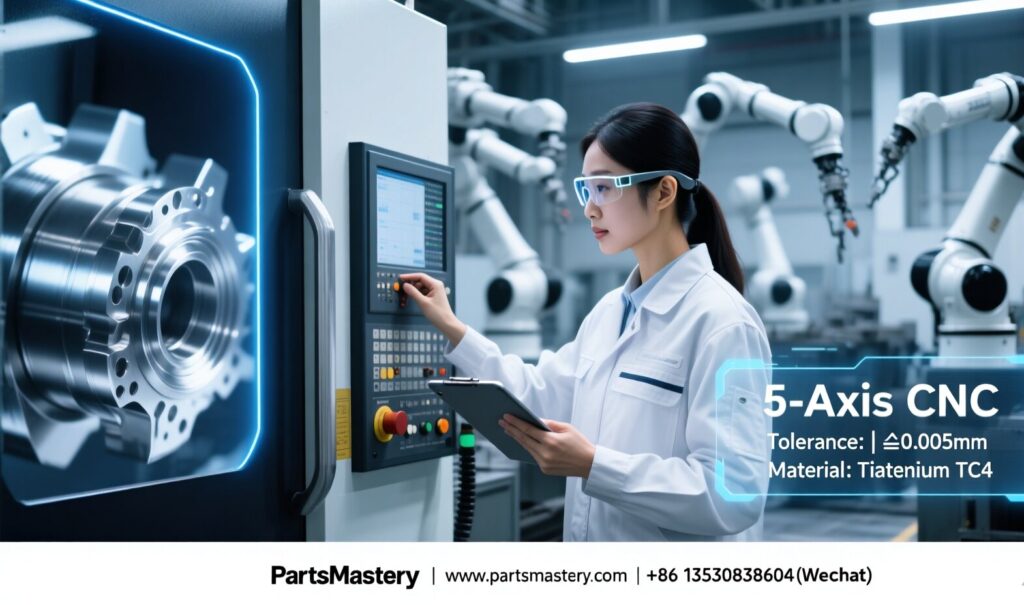
The core and cavity of an automotive mold must be machined to tolerances measured in hundredths of a millimeter. A mismatch of even 0.05mm across a parting line will produce flash — thin fins of plastic that require secondary trimming or cause assembly interference. High-end automotive molds are finished using five-axis CNC machining followed by electrical discharge machining (EDM) for sharp internal corners, then hand-polished to mirror finishes where required for Class A surface parts.
Steel selection directly determines mold longevity. For prototype or low-volume runs (under 50,000 shots), pre-hardened steels like P20 work well. But for high-volume automotive production — think 500,000 to 2 million cycles — hardened tool steels such as H13 or S136 are mandatory. These alloys can be heat-treated to 48–52 HRC, resisting wear from glass-filled nylons or abrasive mineral-filled polypropylenes. Some automotive molds also receive surface treatments like nitriding or physical vapor deposition (PVD) coatings to further extend tool life.
Why Cooling Design Separates Winning Molds from the Rest
If the cavity defines the part shape, the cooling system defines the economics of production. In any injection molding process, cooling typically accounts for 60% to 80% of the total cycle time. An automotive mold with poorly placed cooling channels will force longer cycle times, reducing hourly output and increasing per-part cost.
Conventional cooling involves straight-drilled holes intersecting the mold base. But modern high-performance automotive molds increasingly use conformal cooling — cooling channels that follow the exact contour of the part geometry, created through additive manufacturing or complex CNC machining. Conformal cooling can reduce cycle times by 20% to 40% while simultaneously improving part quality by eliminating hot spots that cause warpage, sink marks, or differential shrinkage.
For electric vehicle battery housings, cooling uniformity is even more critical. These large, thin-walled components must remain dimensionally stable across a wide temperature range. An automotive mold designed specifically for EV battery enclosures will include zone-controlled cooling circuits, sometimes with flow meters and thermal sensors embedded directly into the mold steel.
Managing Undercuts: Slides, Lifters, and Angled Actions
Many automotive parts cannot be molded with a simple straight-pull mold because they contain undercuts — features like side holes, retaining clips, or recessed logos. To form these features, the automotive mold must incorporate moving components that retract before ejection.
Slides (also called side-cores) move perpendicular to the mold opening direction, typically actuated by angled pins or hydraulic cylinders. Lifters are similar but move at an angle, often used for internal undercuts on ribs or bosses. A single complex automotive mold may contain a dozen or more slides and lifters, each requiring precise timing, lubrication, and wear-resistant surfaces.
The reliability of these moving components is a common failure point. Poorly designed slide retainers or undersized wear plates lead to galling, sticking, or premature failure. High-quality automotive molds use bronze-plated wear plates, hardened steel gibs, and positive stop mechanisms to ensure millions of trouble-free cycles.
Material Compatibility: Matching the Mold to the Resin
Automotive manufacturers use an increasingly diverse range of polymers and composites. Each material interacts with the mold differently. For example:
-
Unfilled ABS or polypropylene – Flows easily, low abrasion. Standard polished steel surfaces suffice.
-
30% glass-filled nylon – Highly abrasive. Requires wear-resistant steel and often replaceable gate inserts.
-
Polycarbonate or acrylic – Requires high mold surface polish (SPI-A1) to prevent flow marks.
-
Liquid silicone rubber (LSR) – Needs cold runner systems and precise venting to avoid flash.
-
Long-fiber thermoplastics – Demands larger gates and runners to avoid fiber breakage.
A single automotive mold designed for multiple materials is rare; most are optimized for one specific resin grade. PartsMastery engineers perform mold flow analysis before cutting steel to predict fill patterns, weld line locations, and venting requirements for the customer’s exact material.
Common Automotive Mold Failure Modes and Prevention
Even the best automotive mold will eventually show wear, but predictable wear is manageable. The most frequent issues include:
-
Gate erosion – High-velocity melt flow erodes the gate area, especially with glass-filled materials. Prevention: hardened gate inserts or larger gate geometries.
-
Cooling channel corrosion – Leads to rust particles blocking flow. Prevention: use treated water and install magnetic filters.
-
Ejector pin wear – Causes sticking or part deformation. Prevention: guided ejector sleeves and regular cleaning cycles.
-
Parting line damage – Produces flash and requires mold removal. Prevention: hardened parting line inserts and proper clamp force monitoring.
A proactive maintenance schedule — typically cleaning and inspection every 50,000 to 100,000 cycles — multiplies mold life significantly. PartsMastery provides detailed maintenance documentation with every automotive mold.
Custom vs. Standardized Automotive Molds
For unique vehicle platforms, low-volume heritage restorations, or specialized aftermarket components, custom automotive mold design is the only viable path. Off-the-shelf molds rarely accommodate specific mounting points, insert positions, or assembly features required by a given application.
The custom mold process begins with a design review and DFM (design for manufacturability) analysis. Next comes 3D modeling, followed by mold flow simulation to validate fill, cooling, and venting. CNC machining and EDM produce the steel components, followed by manual fitting, polishing, and final assembly. The completed automotive mold is tested on an injection press, with sample parts measured against CAD data using a coordinate measuring machine (CMM).
For customers requiring rapid validation, aluminum prototype molds can be produced in as few as 10 business days. While aluminum tools last only 10,000 to 30,000 cycles, they allow real-world testing before committing to production-grade steel tooling.
The Future: Smart Automotive Molds and Industry 4.0
The next generation of automotive molds includes embedded sensors that transmit real-time data to the molding machine and central production monitoring systems. Cavity pressure transducers, thermocouples, and even ultrasonic sensors detect variations in fill, temperature, or viscosity. The machine controller adjusts injection parameters on the fly — reducing scrap to near zero.
Digital twin technology now allows mold builders to simulate millions of cycles in software before cutting steel. This identifies potential stress risers, wear points, or cooling inefficiencies that would otherwise only appear after years of production. PartsMastery applies these advanced engineering tools to every high-volume automotive mold.
الخاتمة
An automotive mold is a capital asset that directly determines part quality, production throughput, and per-unit cost. Whether for interior trim, exterior body panels, under-hood components, or EV battery systems, the difference between a profitable production line and a problematic one often comes down to mold design, steel quality, cooling efficiency, and maintenance practices.
At PartsMastery, every automotive mold we engineer is built for reliability, precision, and long-term value. From initial flow analysis to final sampling, we deliver tools that perform. For inquiries, engineering consultations, or to discuss your next project, contact قطع الغيار at +86 13530838604 (WeChat). Let us help you build better parts — faster and more consistently.