



CNC machining tools are more than simple cutting edges; they are a critical link between machine capability, process stability, and part accuracy. The right tooling system enables consistent material removal, tight dimensional control, reliable surface finish, and predictable production costs. For precision component manufacturing, selecting the correct tools, holders, coatings, and operating parameters directly impacts both quality and throughput.
PartsMastery provides precision CNC machining tooling support for demanding production environments. We help customers select cutting tools, configure toolholding systems, optimize cutting data, and establish process control routines for stable, repeatable manufacturing results.
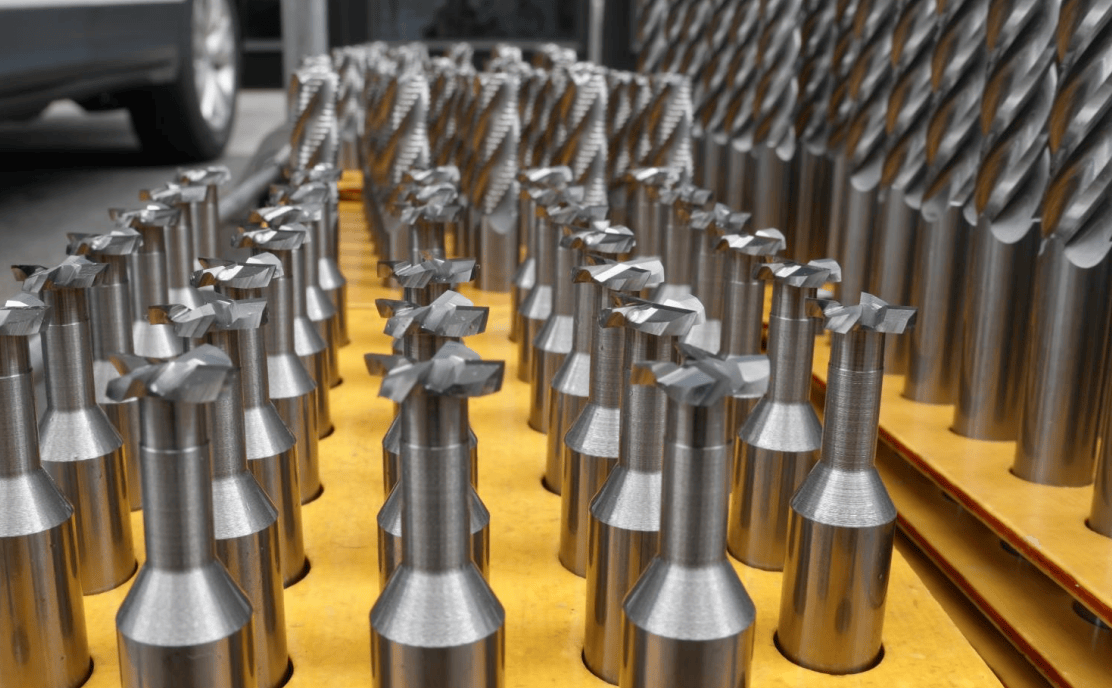
1. Core Categories of CNC Machining Tools
1.1 Cutting Tools
Cutting tools are the primary components that remove material from a workpiece. Common types include end mills, ball nose cutters, drills, reamers, taps, boring bars, and face mills. Each tool geometry serves a specific operation, such as roughing, finishing, hole making, threading, or contouring.
1.2 Toolholding Systems
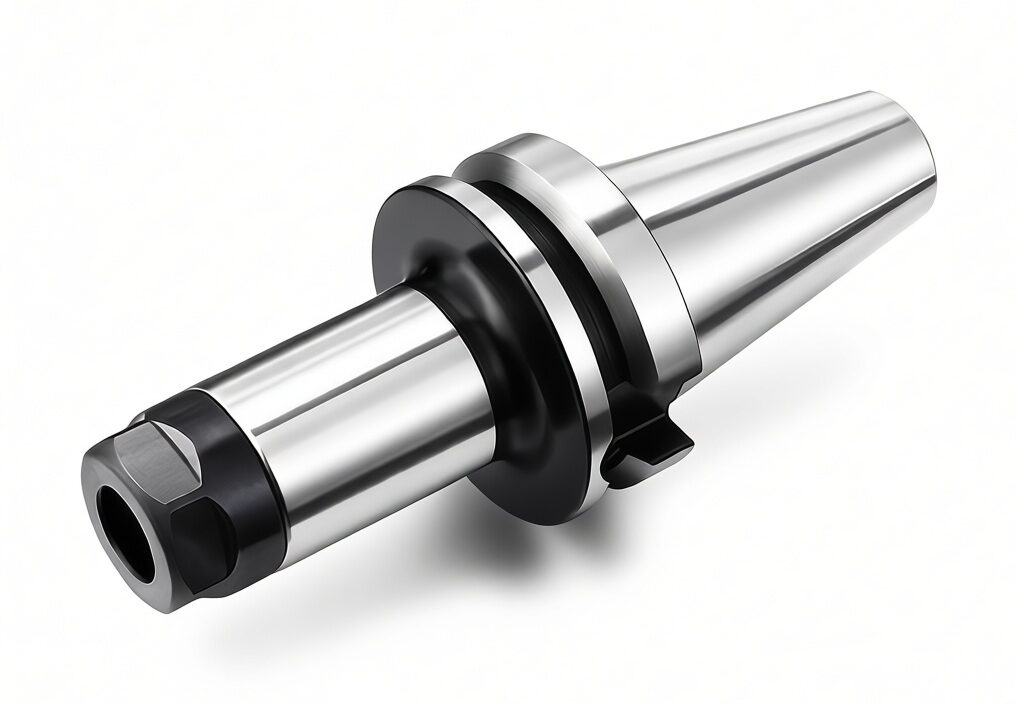
Toolholders connect the cutting tool to the machine spindle. Popular standards include CAT, BT, HSK, and CAPTO. A robust toolholding system improves rigidity, reduces runout, minimizes vibration, and maintains repeatable tool change accuracy.
1.3 Tool Change and Control Components
This category includes tool changers, carousel interfaces, retention knobs, collets, sleeves, and presetting equipment. These components support fast, accurate tool changes and help maintain process consistency across long production runs.
2. Key Factors for Selecting CNC Machining Tools
2.1 Material Compatibility
Tool selection must match the workpiece material. Aluminum alloys generally require sharp edges, high rake angles, and good chip evacuation. Steel and stainless steel need balanced toughness and wear resistance. Hardened steels, titanium, and superalloys demand advanced substrates, coatings, and carefully controlled cutting parameters.
2.2 Operation Type
Roughing operations prioritize metal removal rate and tool life. Finishing operations emphasize dimensional accuracy, surface finish, and profile control. Hole making requires precise diameter control, chip management, and good coolant access.
2.3 Machine Rigidity and Stability
Even high-performance tools cannot deliver consistent results in a weak setup. Machine tool condition, spindle performance, fixture rigidity, and workpiece support must all align with the cutting process.
3. How Tooling System Performance Affects Machining Results
3.1 Dimensional Accuracy
Tool wear, runout, deflection, and thermal growth can all shift process results over time. A stable tooling system helps control these variations and maintains tighter dimensional tolerances.
3.2 Surface Finish Quality
Tool geometry, cutting edge preparation, coating quality, and machining strategy directly influence surface finish. A balanced setup reduces chatter marks, tool marks, and secondary operations.
3.3 Tool Life and Cost Efficiency
Proper tool selection extends tool life and reduces downtime. However, the lowest-cost tool is not always the most economical; total cost includes tool life, scrap rate, setup time, and process stability.
4. Tool Management and Process Control
4.1 Tool Presetting
Tool presetting measures length, diameter, radius, and runout before the tool enters the machine. This practice reduces setup time, improves first-part accuracy, and supports reliable production.
4.2 Cutting Parameter Optimization
Optimization involves balancing cutting speed, feed rate, depth of cut, width of cut, and coolant delivery. The goal is stable chip formation, controlled tool wear, and consistent part quality.
4.3 Process Monitoring
Monitoring tool condition, spindle load, vibration, and part quality helps detect drift early. This is especially important in long-running jobs and high-value component production.
5. Application Scenarios for Precision CNC Tooling
5.1 Aerospace and Defense Components
Aerospace parts often involve titanium, stainless steel, and complex structural geometries. These applications require high rigidity, reliable tool life, and consistent dimensional control.
5.2 Automotive and Industrial Parts
Automotive and industrial components demand repeatable quality across medium to high volumes. Stable tooling systems help reduce variation and support efficient production.
5.3 Medical Device Manufacturing
Medical components frequently require high precision, excellent surface finish, and burr-free machining. Clean, controlled tooling processes are essential for these applications.
5.4 Mold and Die Production
Mold and die work involves hard materials, complex surfaces, and high finishing requirements. Tool performance directly affects machining time, surface quality, and final component accuracy.
Conclusion
CNC machining tools are a fundamental element of precision manufacturing success. From initial tool selection and holder configuration to presetting, parameter optimization, and process monitoring, every stage contributes to stable production and consistent part quality.
PartsMastery supports customers with practical tooling expertise and precision machining process guidance. We help evaluate cutting tools, configure toolholding systems, and establish stable manufacturing routines for improved quality, efficiency, and cost control.