





In oil and gas extraction, gathering and processing systems, equipment components are continuously exposed to corrosive media and high-pressure alternating loads, while offshore installations also face persistent erosion from salt-laden atmospheres. Corrosion failure of a single component can trigger cascading equipment malfunctions, production shutdowns, and even safety hazards.
Relying solely on the inherent corrosion resistance of base materials cannot guarantee long-term reliable operation under harsh service conditions. Machining quality metrics including dimensional accuracy, sealing surface integrity and assembly compatibility are equally critical to material corrosion performance. CNC machining technology supports a full range of hard-to-machine corrosion-resistant materials such as stainless steel, titanium alloys and nickel-based alloys, delivering flexible, high-precision custom component manufacturing solutions for the oil and gas sector.
Core Technical Challenges in Corrosion-Resistant Component Machining
1. Poor Machinability and Accelerated Tool Wear
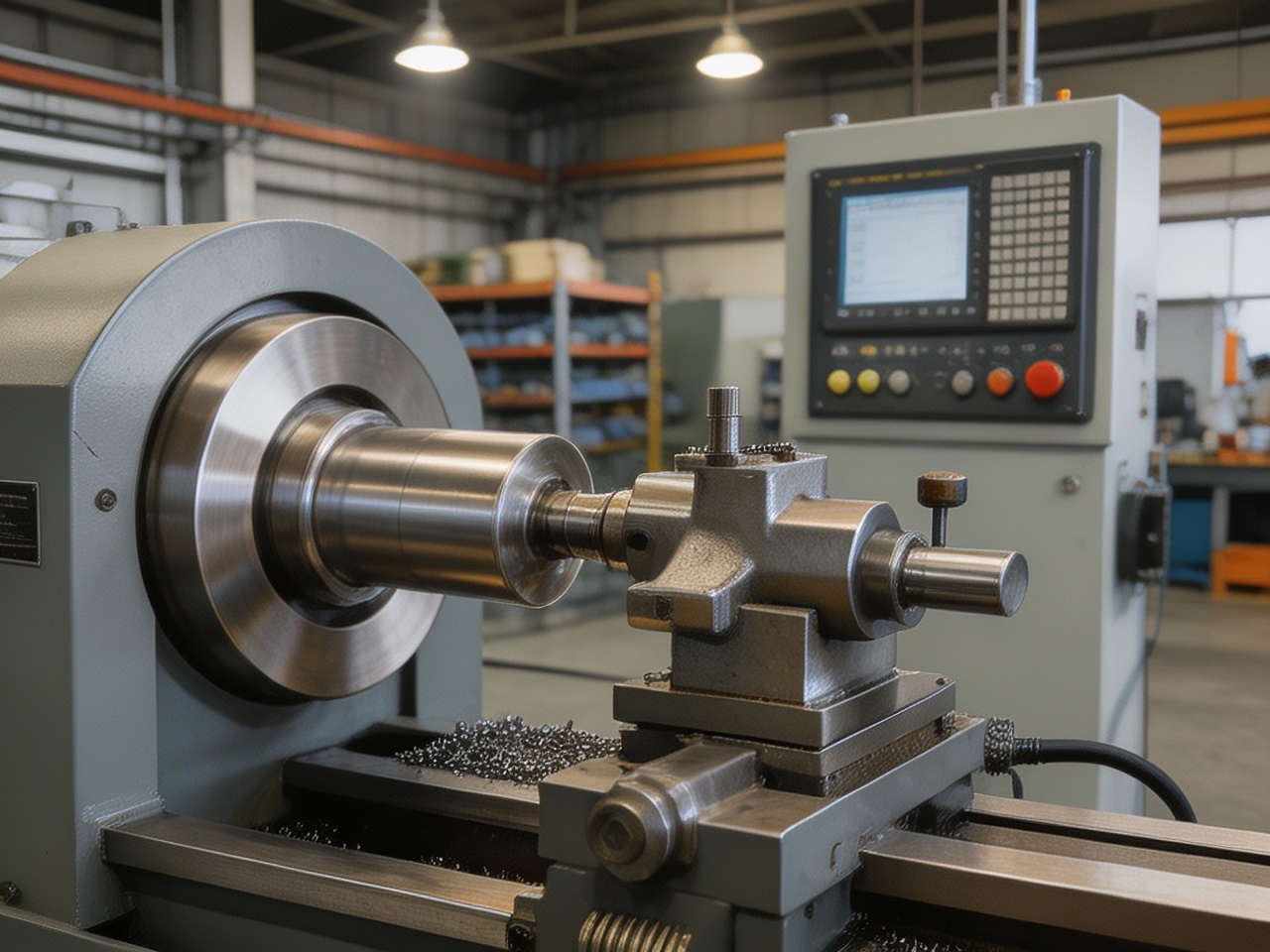
Stainless steel is prone to work hardening during cutting operations, causing progressively higher cutting resistance in subsequent passes. Nickel-based alloys exhibit high hot strength and impose extreme demands on tool wear resistance. Titanium alloys have low thermal conductivity, concentrating cutting heat at the tool edge and leading to workpiece thermal distortion and surface burning. Even minor tool degradation will directly compromise surface finish quality and dimensional precision.
2. Stringent Precision Requirements for Sealing Interfaces
Numerous corrosion-resistant components in oil and gas equipment perform flow control, pressure regulation and sealing functions. Even with qualified base material corrosion resistance, micro-scratches on sealing faces, misaligned mounting holes, or out-of-tolerance fit dimensions can result in media leakage, directly impairing equipment reliability and operational safety.
3. Environment-Specific Material and Process Requirements
Offshore platforms, onshore pipelines and downhole tools operate under drastically different conditions, with varying medium chemistry, operating temperatures, system pressures and design service lives. Component procurement cannot be driven by cost alone; material and process specifications must be matched to actual field operating conditions.
Critical Process Controls for CNC Machining of Corrosion-Resistant Parts
1. Material-Specific Tool Selection and Cutting Parameter Optimization
When processing corrosion-resistant materials, tool choice and parameter settings directly determine production efficiency and finished part quality. Dull cutting edges induce excessive material plastic deformation, while improperly aggressive cutting parameters accelerate heat buildup and premature tool failure.
Production teams must dynamically monitor cutting speed, feed per tooth, depth of cut, and coolant delivery conditions, with tailored strategies for each material family: stainless steel machining focuses on work hardening suppression and built-up edge control; nickel-based alloy machining limits continuous high-load cutting duration to prevent thermal tool failure; titanium alloy machining employs enhanced cooling strategies to minimize thermal distortion. Optimized parameters extend tool life, reduce surface defects, and maintain consistent dimensional accuracy.
2. Segregated Roughing and Finishing Operations
Corrosion-resistant alloys carry high raw material costs, making machining allowance control critical to material utilization and production economics. Roughing operations prioritize rapid material removal and basic geometric form generation, leaving uniform stock for finishing. Finishing passes are dedicated to critical features such as sealing surfaces, precision bores and threads, ensuring final dimensional tolerances and surface roughness specifications. This two-stage approach reduces finishing tool loading and minimizes scrap risk from dimensional deviation.
3. Precision Control for Deep Holes and Threaded Features
Oil and gas components frequently incorporate deep holes, cross bores and specialty thread forms, where internal quality is difficult to inspect and chip evacuation poses significant challenges. Optimized tool paths, pecking cycles and internal coolant tooling are essential to minimize internal burrs and maintain bore accuracy. All critical features require dedicated metrology verification post-machining to ensure assembly interchangeability.
Key Oil & Gas Components Optimized for CNC Machining
1. Corrosion-Resistant Valve Assemblies
Valve bodies, plugs, stems and seats remain in direct contact with process media for extended periods, demanding exceptional material performance and machining precision. CNC machining produces internal flow passages, mounting ports, sealing cones and mating threads in a single setup, ensuring tight geometric tolerances and fit accuracy — making it ideal for custom valve manufacturing and low-volume production runs.
2. Pipe Fittings and Flanges
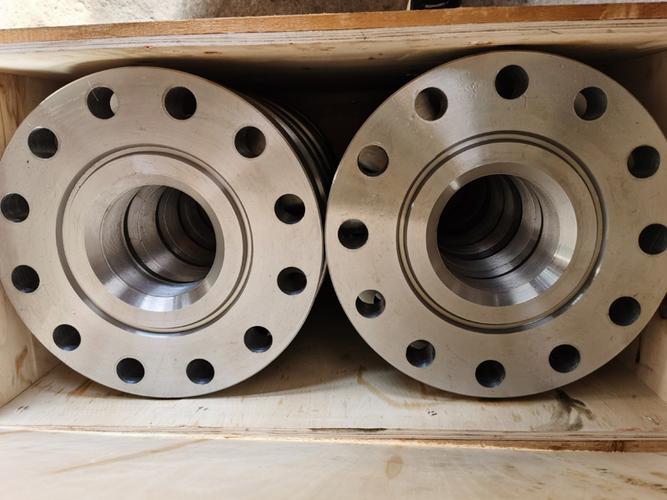
Flanges, couplings, reducers and special transition pieces may appear simple, but their bolt hole pattern accuracy, thread quality and joint face parallelism directly determine pipeline sealing integrity. Equipment retrofits and field maintenance often require non-standard, dimension-specific components, an application where CNC machining excels without dedicated tooling investment.
3. Pump Housings and Pressure Control Components
Pump casings and pressure control bodies feature complex internal cavities, flow channels and multi-stage sealing structures. Machining must balance corrosion resistance requirements with critical dimensional specifications. Precision CNC machining delivers consistent feature quality, reduces field assembly adjustments, and improves compatibility with existing industrial equipment systems.
Procurement and Acceptance Checklist for Corrosion-Resistant CNC Parts
1. Pre-Production Material Qualification
Confirm material grade, heat treatment condition and corrosion performance rating prior to manufacturing initiation, and require full material certification documentation from suppliers. For specialty alloys such as nickel-based and titanium grades, verify raw material availability and machining feasibility upfront to avoid production delays.
2. Critical Dimensional Verification
Cosmetically finished parts do not necessarily meet functional specifications. Bore diameters, thread parameters, sealing surface flatness and critical fit dimensions require systematic inspection. For high-precision mating components, dimensional inspection data supports subsequent assembly work and quality traceability.
3. Surface Condition Validation
Post-machining deburring and cleaning must remove all burrs, scratches and cutting residues. Special attention is required for wetted surfaces and sealing interfaces, where even microscopic surface defects can act as corrosion initiation sites and reduce component service life.
Reliable production of corrosion-resistant oil and gas components requires deep material processing expertise, precise dimensional control, and rigorous attention to manufacturing detail. From stainless steel, titanium and nickel-based alloys to valves, fittings, flanges and pump assemblies, a well-engineered CNC machining workflow delivers consistent, custom-engineered parts that meet demanding field application requirements.
PartsMastery specializes in precision CNC machining services for the oil and gas industry. We deliver custom corrosion-resistant component solutions tailored to specific material, geometry and accuracy requirements, supporting equipment reliability in the world’s most challenging operating environments.