






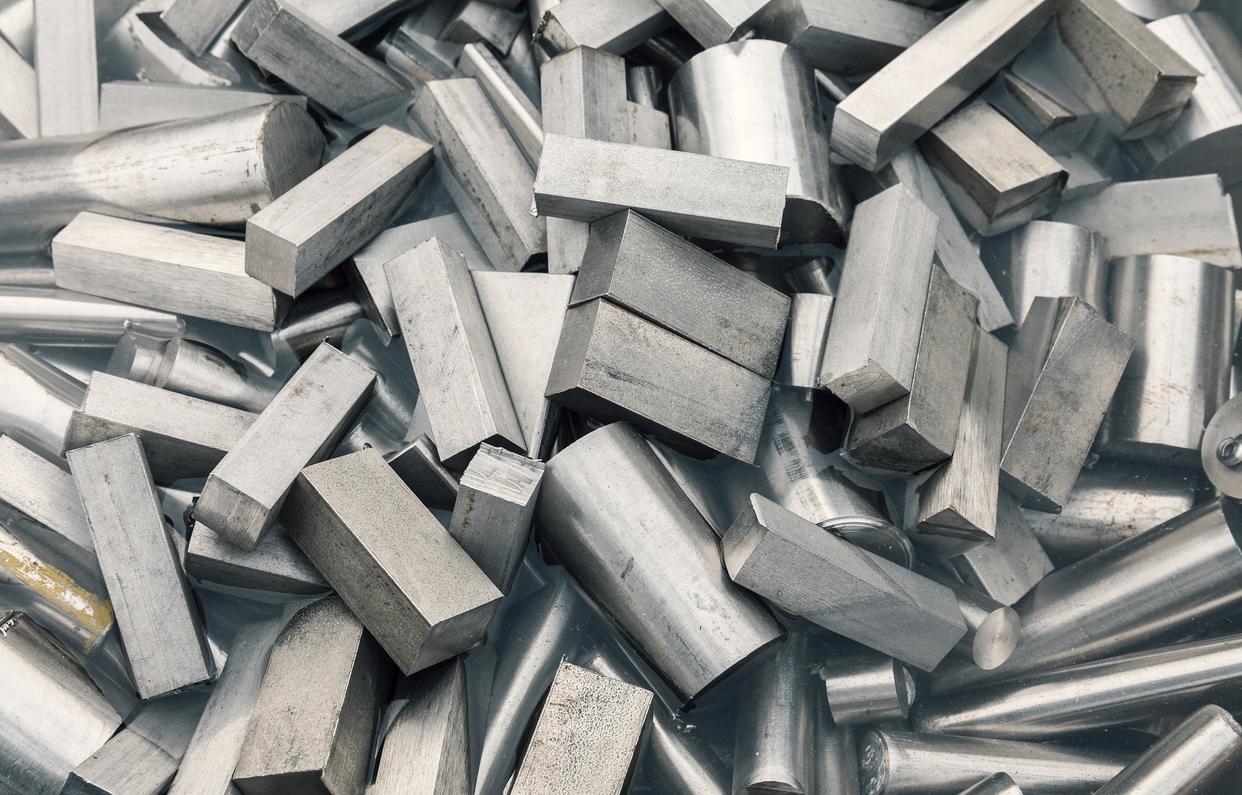
Lead (chemical symbol Pb, atomic number 82) is a dense, soft post-transition heavy metal with a long history of industrial use. Engineers and manufacturers value it for its exceptional density, low melting point, strong corrosion resistance, and superior radiation shielding ability — properties that make it irreplaceable in energy storage, radiation protection, and heavy engineering. At the same time, lead acts as a well-documented cumulative toxicant, so governments worldwide strictly regulate its production, use, and disposal to protect human health and the environment.
To help you navigate these tradeoffs, this guide breaks down the fundamentals of lead, its core performance characteristics, common alloy types, industrial use cases, health risks, and sustainable management practices. It serves as a practical reference for material selection, engineering design, and regulatory compliance work.
1. Basic Properties and Natural Occurrence
1.1 Elemental Profile and Periodic Table Position
Lead sits in Group 14, Period 6 of the periodic table, and it ranks among the heaviest stable metallic elements found in nature. Specifically, pure lead is a single-element metal, not an alloy or composite material. In engineering practice, manufacturers often alloy it with antimony, calcium, or tin to adjust mechanical strength, casting performance, or wear resistance for targeted use cases.
1.2 Lead-Bearing Minerals in Nature
Lead rarely exists as native metal in nature; it mostly takes the form of sulfide, carbonate, and sulfate ores. Galena (lead sulfide) stands as the most economically important lead ore and serves as the main raw material for primary lead production. Beyond galena, other common lead minerals include cerussite (lead carbonate), anglesite (lead sulfate), and hydrocerussite.
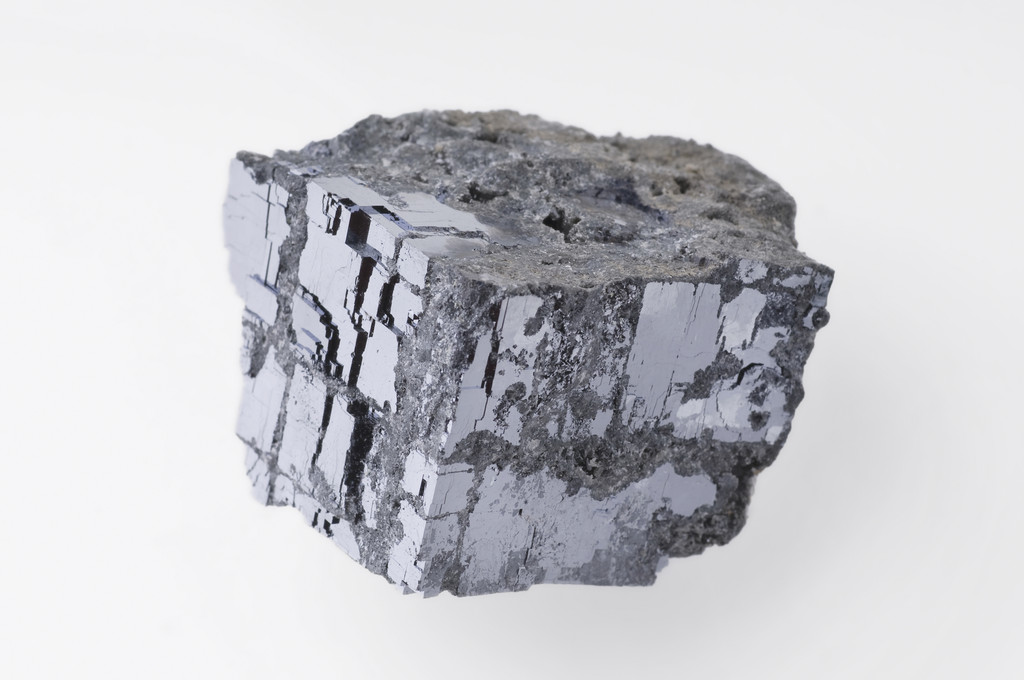
Historically, manufacturers used many lead compounds in pigments, paints, and ceramic glazes. As a result, these legacy applications remain a major source of lead contamination in older buildings and surrounding soil environments.
2. Core Performance Characteristics
2.1 Physical Properties
First and foremost, lead boasts a density of approximately 11.34 g/cm³ — roughly 1.45 times denser than steel and 4.2 times denser than aluminum. This ultra-high density lets engineers pack large mass into a compact volume, which explains its core role in counterweights, ballast systems, and radiation shielding.
Second, its melting point reaches only 327.5°C, far lower than that of most common engineering metals. Because of this low melting temperature, manufacturers can cast, shape, and recycle lead with relative ease — a quality that drove its widespread adoption throughout history.
Visually, freshly cut lead shows a bright silvery-gray metallic luster, but it quickly tarnishes in air to form a dull gray protective oxide layer. In turn, this layer slows further corrosion of the underlying metal.
2.2 Mechanical and Processing Properties
When it comes to mechanical performance, pure lead feels extremely soft and highly ductile, with very low tensile strength. For this reason, engineers cannot use it as a structural load-bearing material, as it tends to develop creep deformation under long-term static load, especially at elevated temperatures.
That said, its excellent plasticity lets manufacturers easily roll, bend, extrude, and form it into sheets, foils, pipes, and custom shapes — even at room temperature.
2.3 Chemical and Corrosion Properties
Turning to chemical properties, lead commonly exhibits +2 and +4 oxidation states, with Pb²⁺ representing the most prevalent form in nature and industrial compounds. In atmospheric environments, soil, freshwater, and weak acid conditions, it forms dense, insoluble protective films on its surface, which gives it strong corrosion resistance.
However, lead ions carry high biological toxicity. Even at low concentrations, lead builds up in the human body over time and damages the nervous system, kidneys, and hematopoietic system. For this reason, global regulators strictly prohibit lead use in drinking water systems, food-contact materials, and general consumer products.
3. Common Types of Lead and Lead Alloys
3.1 Pure Lead
Starting with the most basic grade, high-purity lead preserves the metal’s intrinsic corrosion resistance and optimal shielding performance. Manufacturers mainly use it in radiation protection rooms, chemical equipment linings, specialty sealing components, and as base material for alloy production.
3.2 Chemical Lead
Next, chemical lead refers to a high-purity grade with tightly controlled impurity levels, optimized for corrosion resistance in specific chemical media. Chemical processing facilities widely use it in reaction vessels, storage tanks, and process piping.
3.3 Lead-Antimony Alloys
Moving to modified alloy grades, adding antimony significantly boosts lead’s hardness, strength, and castability. Traditionally, manufacturers have used lead-antimony alloys in battery grids, cast counterweights, bearings, and printing type, and they remain one of the most widely used lead alloy systems today.
3.4 Lead-Calcium Alloys
In comparison, lead-calcium alloys serve as the standard grid material for modern valve-regulated lead-acid (VRLA) batteries. Unlike lead-antimony alloys, they cut down on water loss and self-discharge, which enables maintenance-free battery designs for automotive, telecom, and UPS applications.
3.5 Leaded Copper Alloys
Manufacturers add lead to copper alloys to improve machinability, chip breaking, and lubrication during cutting operations. Leaded brass and bronze appear widely in precision machined parts such as bushings, valves, connectors, and electrical components. In recent years, due to tightening environmental regulations, lead-free copper alternatives have become dominant in consumer products; even so, leaded grades still serve in exempt industrial applications.
3.6 Lead-Based Babbitt Alloys
Another specialized category, lead-based Babbitt alloys represent a class of sliding bearing materials engineered for low-friction, anti-seizure performance. Heavy-duty industrial equipment uses them in bearing assemblies, where the soft lead matrix embeds hard particles to create a durable, conformable bearing surface.
3.7 Type Metal
Finally, type metal is a historical lead-antimony-tin alloy with excellent casting fluidity and low shrinkage. Printers originally used it for movable type production. Today, modern printing technology has largely phased it out of mainstream use.
4. Industrial Production and Manufacturing
4.1 Primary Lead Production
When it comes to industrial production, producers manufacture primary lead from mined ores through a multi-step process of crushing, beneficiation, roasting, smelting, and refining. This process extracts metallic lead from sulfide ores and strips out impurities to meet strict purity specifications. To comply with environmental rules, modern smelters must install comprehensive emission control systems to prevent lead dust and fume pollution.
4.2 Secondary (Recycled) Lead Production
For secondary recycled lead production, spent lead-acid batteries serve as the dominant feedstock. In regulated facilities, workers dismantle, sort, and smelt batteries to recover lead for new battery manufacturing. On the other hand, informal and unregulated battery recycling remains a major source of global lead contamination.
Today, recycled lead makes up more than half of the global lead supply, and this share continues to grow as circular economy practices expand.
5. Major Industrial Applications
5.1 Lead-Acid Batteries
By far the largest use case for lead is in lead-acid batteries, which account for over 80% of global lead consumption. They remain the dominant rechargeable battery technology for automotive starting, uninterruptible power supplies (UPS), telecom backup, grid energy storage, and industrial traction applications — primarily due to their low cost, high reliability, and well-established recycling infrastructure.

5.2 Radiation Shielding
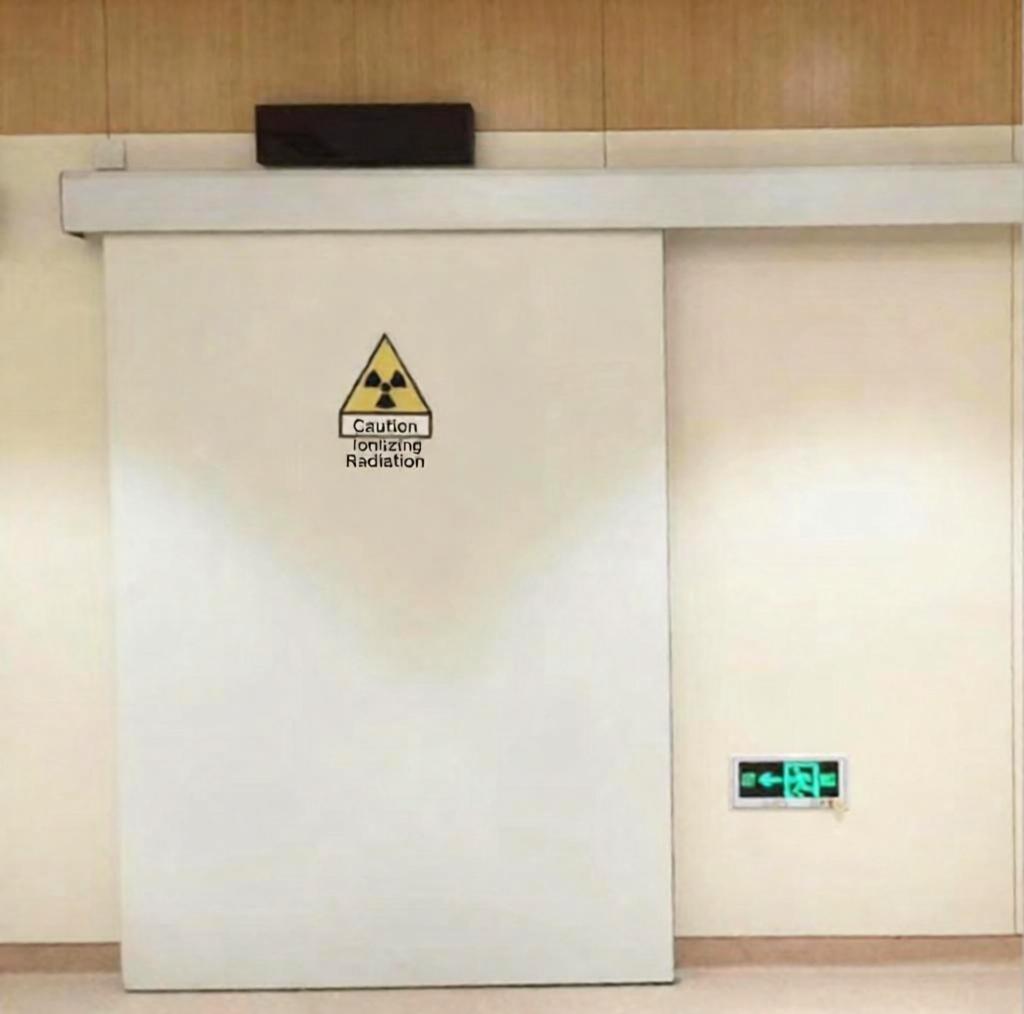
The second major application is radiation shielding. Lead’s high density and high atomic number make it extremely effective at attenuating X-rays and gamma rays. It serves as the standard shielding material in medical imaging rooms, dental clinics, nuclear facilities, industrial radiography setups, and laboratory radiation protection systems.
5.3 Construction and Roofing
Moving to construction applications, builders have used lead sheet for centuries in roofing, flashing, waterproofing, and sealing — thanks to its durability, corrosion resistance, and formability. In modern construction, its use has declined significantly due to health concerns; still, it remains in use for heritage building restoration and specialty architectural applications.
5.4 Counterweights and Ballast
Another practical use is in counterweights and ballast systems. Its high density makes lead ideal for precision counterweights and ballast in elevators, ships, cranes, fishing tackle, racing vehicles, and precision instrumentation, where designers must fit heavy mass into limited space.
5.5 Vibration Damping and Sound Insulation
Beyond static weight applications, lead’s high density and damping properties also make it effective for vibration isolation and acoustic insulation. Engineers use lead layers in industrial equipment, precision machinery bases, and architectural soundproofing systems.
5.6 Specialty Glass and Ceramics
In specialty materials like glass and ceramics, lead also plays a targeted role. Glass manufacturers add lead oxide to glass to boost its refractive index and brilliance for optical lenses and decorative crystalware. Facilities also use leaded glass for radiation-shielding observation windows. Historically, ceramic makers used lead compounds in glazes, but regulators now strictly restrict them for food-contact products.
5.7 Solders and Electronics (Historical and Exempt)
Finally, lead once played a major role in electronics soldering. Tin-lead solders were once the universal joining material in electronics due to their low melting point, good wetting, and high reliability. Today, most consumer electronics have switched to lead-free solders under regulations such as the EU RoHS Directive; however, lead-containing solders remain permitted in certain high-reliability industrial and aerospace exemptions.
6. Advantages and Limitations as an Engineering Material
6.1 Key Advantages
To summarize lead’s engineering value, its core strengths include:
- Exceptional ionizing radiation shielding performance at low cost
- Ultra-high density for compact counterweight and ballast solutions
- Low melting point and excellent formability for easy manufacturing
- Good corrosion resistance in atmospheric and mild chemical environments
- High recyclability with a mature closed-loop battery recovery system
6.2 Inherent Limitations
On the flip side, lead also has clear inherent limitations:
- Very low mechanical strength and poor creep resistance, unsuitable for structural use
- Proven neurotoxicity that poses particular danger to children and developing fetuses
- Persistent environmental contamination that does not biodegrade over time
- Increasingly strict global regulations that restrict use in consumer products
7. Health Risks and Environmental Impact
7.1 Human Health Hazards
Turning to health risks, lead enters the human body primarily through inhalation of dust or fumes, or ingestion of contaminated food, water, or soil. It builds up in bones and organs over time, and public health experts have identified no known safe blood lead level.
Chronic exposure can damage the central and peripheral nervous system, impair cognitive development in children, cause anemia, harm kidney function, and raise cardiovascular risk. Above all, pregnant women and young children face the highest level of vulnerability.
7.2 Environmental Contamination
From an environmental perspective, lead released into the environment persists indefinitely in soil and sediment. Major sources include historical mining and smelting, leaded gasoline residues, deteriorating lead-based paint, and unregulated battery recycling. Over time, this contamination can enter the food chain and pose long-term public health risks.
8. Recycling and Sustainable Management
8.1 Closed-Loop Battery Recycling
Fortunately, lead has one of the highest recycling rates of any industrial metal. In mature markets, waste management systems collect and recycle over 95% of lead-acid batteries. A well-managed closed-loop system cuts demand for primary mining and minimizes environmental release.
8.2 Industrial Scrap Recycling
Beyond batteries, lead scrap from manufacturing, decommissioned shielding, and end-of-life components can also be remelted and refined for reuse. Producing secondary lead requires significantly less energy than primary smelting, which reduces the material’s overall environmental footprint.
8.3 Full Lifecycle Compliance
Ultimately, sustainable lead management requires controls across the entire value chain: reducing unnecessary use in product design, enforcing workplace exposure limits during manufacturing, maintaining formal collection and recycling channels, and ensuring safe disposal of non-recoverable lead-bearing waste.
9. Frequently Asked Questions
Q: Can touching solid lead cause poisoning?
A: Brief skin contact with clean, solid lead does not typically cause lead poisoning. Instead, the primary risk comes from inhaling lead dust or fumes, or ingesting lead-contaminated material via hand-to-mouth contact. For this reason, workers must use proper personal protective equipment and follow strict hygiene practices when handling lead.
Q: Does boiling water remove lead?
A: No, boiling cannot remove lead. Lead is a dissolved heavy metal ion, not a microorganism, so boiling does not eliminate it and may actually raise its concentration through water evaporation. Instead, certified reverse osmosis systems or NSF-approved lead reduction filters offer the most reliable way to remove lead from drinking water.
Q: Does “lead-free” mean zero lead?
A: In most regulatory frameworks, “lead-free” means lead content falls below a defined legal threshold, not that it contains absolutely zero lead. For example, the EU RoHS Directive sets a 0.1% limit by weight for electronic components. By contrast, standards for drinking water contact and children’s products are significantly stricter.
10. Summary
All in all, lead is a uniquely dual-natured industrial material: it delivers irreplaceable performance in energy storage and radiation protection, but carries well-documented health and environmental risks. For modern industry, lead use is only sustainable when backed by strict regulatory compliance, robust worker protection, and mature closed-loop recycling systems.
At PartsMastery, we provide precision CNC machining services for custom metal and plastic components, covering everything from prototype development to full volume production. If your project involves radiation shielding parts, energy storage components, precision alloy hardware, or material selection support, our engineering team can deliver professional process evaluation, tight tolerance control, and compliance guidance to help you achieve successful project outcomes.