








模具设计与制造:精密生产的基础
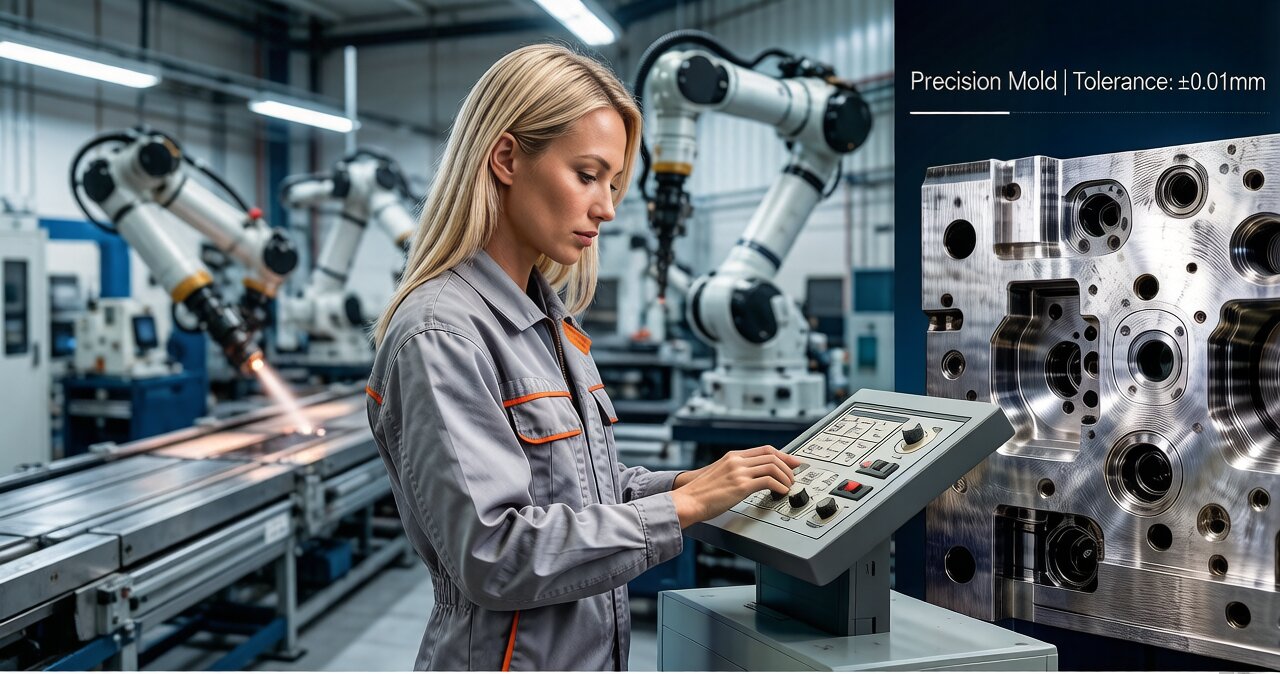
In the world of manufacturing, the mold is where concepts become reality. Whether producing intricate medical components, durable automotive parts, or high-volume consumer goods, the quality of the final product is determined long before the first part is molded—it is determined during the mold design and manufacturing process. A well-designed and precisely manufactured mold is not merely a tool; it is a capital asset that defines production efficiency, part quality, and long-term operational reliability.
At PartsMastery, we recognize that exceptional molds do not happen by accident. They are the result of disciplined engineering, advanced manufacturing capabilities, and a deep understanding of the interplay between part design, material behavior, and production requirements. For businesses seeking to optimize their manufacturing operations, investing in superior mold design and manufacturing is one of the most impactful decisions they can make.
The Strategic Importance of Mold Design
Mold design is far more than creating a cavity that mirrors the desired part geometry. It is a complex engineering discipline that must account for numerous variables that influence both the mold’s performance and the quality of the parts it produces.
A thoughtfully designed mold incorporates considerations that extend well beyond the part’s external shape. The designer must determine the optimal parting line location to ensure clean separation of mold halves while accommodating part aesthetics and functional requirements. Gate placement—where molten material enters the cavity—must be strategically selected to achieve uniform fill, minimize weld lines, and facilitate efficient post-molding removal. Runner systems must be balanced to deliver material to multiple cavities simultaneously, ensuring consistent filling across all impressions.
Cooling channel design represents one of the most critical aspects of mold design. Efficient cooling directly impacts cycle time, which in turn determines production throughput and per-part cost. Advanced mold designs incorporate conformal cooling channels—complex geometries that follow the contour of the part—to achieve uniform heat extraction and minimize warpage. Traditional straight-drilled cooling lines, while simpler to manufacture, often leave hotspots that prolong cycle times and compromise dimensional stability.
Ejection systems must be carefully engineered to remove finished parts without deformation or damage. The location, size, and type of ejector pins, sleeves, or stripper plates must be balanced against the part’s geometry, material properties, and cosmetic requirements. Improper ejection design can result in visible witness marks, part distortion, or premature mold wear.
Material Selection for Mold Construction
The materials used in mold construction directly influence tool longevity, production efficiency, and part quality. Selecting the appropriate mold material requires balancing expected production volume, part complexity, and budget considerations.
For high-volume production runs exceeding hundreds of thousands or millions of cycles, hardened tool steels such as H13, S7, or D2 are the standard choice. These materials offer exceptional wear resistance, compressive strength, and the ability to withstand the thermal and mechanical stresses of continuous operation. Properly heat-treated hardened steel molds maintain dimensional stability over extended production runs, ensuring consistent part quality throughout the tool’s lifespan.
For medium-volume production or applications where rapid turnaround is prioritized, pre-hardened steels such as P20 offer an optimal balance of machinability and durability. These materials arrive in a pre-tempered condition, eliminating the need for post-machining heat treatment and reducing lead times while still providing adequate wear resistance for hundreds of thousands of cycles.
Aluminum molds serve distinct purposes in mold design and manufacturing. For prototype development, low-volume production, or bridge tooling applications, aluminum offers significant advantages in machining speed and thermal conductivity. Aluminum molds can be produced in a fraction of the time required for steel tools, enabling rapid iteration and faster time to market. However, their reduced wear resistance makes them unsuitable for high-volume production where steel tools are necessary.
Advanced Manufacturing Technologies in Mold Production
The manufacturing phase transforms engineering designs into precision tools. Modern mold manufacturing relies on advanced machining technologies capable of achieving the tight tolerances and complex geometries required for high-quality molds.
CNC Machining: Multi-axis CNC machining centers enable the creation of complex mold components with exceptional accuracy. High-speed machining techniques achieve superior surface finishes, reducing or eliminating the need for manual finishing operations. Modern CNC equipment captures detailed process data, providing traceability and supporting continuous quality improvement.
Electrical Discharge Machining (EDM): For features that cannot be produced through conventional machining—such as sharp internal corners, deep ribs, or intricate textures—EDM provides a solution. Sinker EDM uses precisely controlled electrical discharges to erode conductive materials, creating complex cavity details with exceptional accuracy. Wire EDM enables the production of precision components such as core pins, inserts, and intricate shut-off surfaces.
Inspection and Validation: Precision manufacturing demands precision verification. Coordinate measuring machines (CMMs) verify that machined components conform to design specifications. Optical measurement systems inspect surface finishes and fine details. Comprehensive inspection documentation provides validation that the completed mold meets all dimensional requirements before release to production.
Quality Systems in Mold Manufacturing
The complexity of modern molds demands rigorous quality management throughout the design and manufacturing process. A robust quality system ensures that every mold delivered performs reliably, produces consistent parts, and meets the longevity expectations of the application.
Design reviews represent a critical quality checkpoint. Before manufacturing begins, experienced engineers evaluate the mold design against established best practices, identifying potential issues such as inadequate cooling, challenging ejection, or areas of accelerated wear. Addressing these factors in the design phase prevents costly modifications after manufacturing has commenced.
In-process inspection ensures that each component meets specifications before assembly. Machined components undergo dimensional verification, surface finish inspection, and hardness testing as appropriate. Assembly procedures are documented and controlled, ensuring that mold components fit together precisely and function as intended.
Mold tryout and validation confirm performance before delivery. The completed mold is installed in an injection molding press and subjected to controlled testing to verify proper function, part quality, and cycle time. First article parts undergo comprehensive dimensional inspection, and process parameters are documented to provide a baseline for production.
The PartsMastery Approach to Mold Design and Manufacturing
At PartsMastery, we approach mold design and manufacturing as an integrated discipline. Our process begins with understanding the end-use application, production volume requirements, and quality expectations of each client. This understanding informs every subsequent decision—from material selection and cooling strategy to machining approach and validation protocols.
We recognize that a mold is not merely a production tool but a long-term asset. A well-designed mold produces consistent parts efficiently, minimizes downtime for maintenance, and delivers reliable performance over years of operation. Conversely, a poorly designed mold results in production delays, quality issues, and unplanned maintenance costs that far exceed the initial investment.
Our commitment to precision extends across every facet of mold manufacturing. Advanced machining capabilities enable us to achieve the tight tolerances required for demanding applications. Rigorous quality systems ensure that every mold meets specifications before delivery. Technical expertise guides clients through the design process, identifying opportunities to optimize manufacturability, reduce cycle times, and extend tool life.
结论
Mold design and manufacturing represent the critical intersection of engineering, precision machining, and production expertise. The molds that emerge from this process determine the quality, consistency, and cost-effectiveness of the parts they produce. Whether for medical devices requiring biocompatible materials and cleanroom production, automotive components demanding durability and precision, or consumer products requiring aesthetic excellence, the foundation of success lies in superior tooling.
Investing in professional mold design and manufacturing is not merely a cost of production—it is a strategic investment in quality, efficiency, and long-term operational success. With the right expertise and disciplined processes, molds become enablers of manufacturing excellence, delivering consistent results over millions of cycles.