




注塑模具厂

Choosing the right injection mold factory is one of the most important decisions a product developer or manufacturing manager can make. The mold is the heart of any plastic injection molding operation. A well-built mold produces consistent, defect-free parts for hundreds of thousands or even millions of cycles. A poorly constructed mold leads to flash, sink marks, warpage, short shots, and endless production stoppages. With so much depending on this single tool, knowing what to look for in an injection mold factory is not just technical knowledge—it is a business necessity.
What Defines a Professional Injection Mold Factory
Not every factory that claims to build injection molds has the same level of capability. A professional injection mold factory distinguishes itself through engineering resources, machining precision, quality systems, and project management experience. The factory should be able to handle everything from design review and material selection to mold manufacturing, testing, and ongoing maintenance support.
Engineering capability is the first thing to evaluate. Before any steel is cut, a skilled team will run mold flow analysis to predict how molten plastic fills the cavity, where air traps might occur, and whether cooling is uniform. They will also perform design for manufacturability reviews, suggesting changes to draft angles, wall thickness, gate locations, and ejection systems. These early steps prevent costly rework and drastically shorten the lead time from design to production.
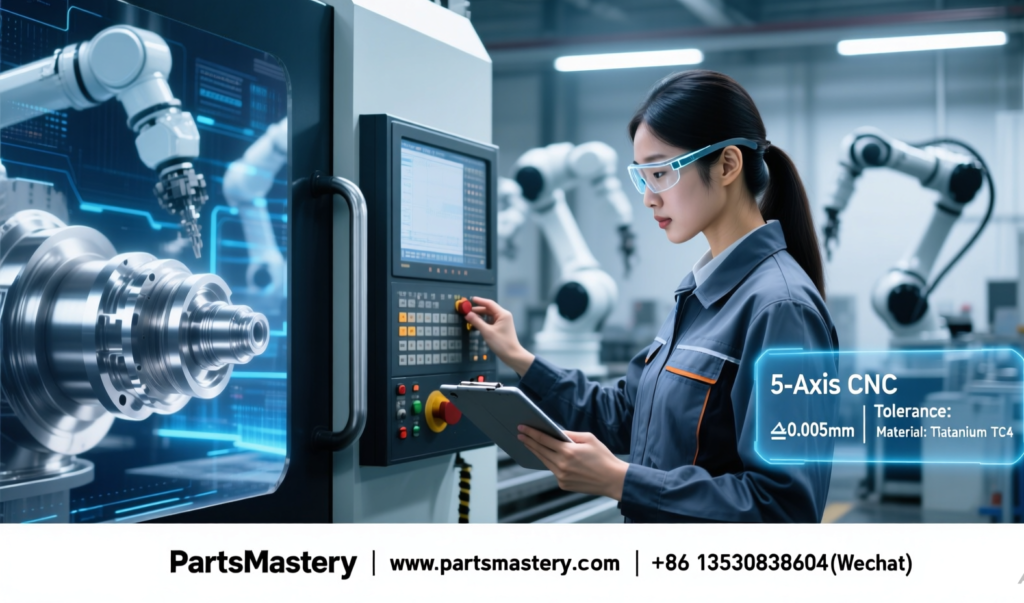
Machining precision is equally critical. Modern injection mold factories invest in high-speed CNC machining centers, electrical discharge machining (EDM), and wire EDM equipment. These machines must hold tolerances within microns. A mold that is off by just 0.02mm can produce parts that fail assembly or function incorrectly. Precision grinding and surface finishing also play major roles in achieving the right surface texture and release properties.
The Importance of Steel Selection and Heat Treatment
The choice of mold steel directly affects tool life, cycle time, and part quality. A reputable injection mold factory will select steel grades based on production volume, material type, and expected wear conditions. For high-volume production, hardened tool steels such as H13, D2, or S136 are common. For prototype or low-volume molds, pre-hardened steels like P20 may be sufficient. For corrosive materials like PVC or glass-filled plastics, stainless steel or coated cavities are necessary.
Heat treatment is another area where expertise matters. Proper hardening, tempering, and surface treatments such as nitriding, PVD coating, or chromium plating reduce wear and improve release. An injection mold factory that lacks in-house heat treatment capabilities may struggle to control consistency, so many top-tier factories either have their own heat treatment lines or work with certified specialized partners.
Quality Control and Mold Testing
A serious injection mold factory does not ship a mold without thorough testing. This begins with dimensional inspection of every critical component. CMM (coordinate measuring machine) reports confirm that cavities, cores, inserts, and slider mechanisms meet the design specifications. Surface finish is checked against the required standard, whether SPI class A for optical parts or a simple VDI texture.
After assembly, the mold must undergo trial runs on an injection molding machine. During the trial, the factory documents injection pressure, holding pressure, melt temperature, mold temperature, fill time, and cooling time. The resulting sample parts are measured and inspected for defects. Multiple trials may be needed to optimize the process. Only when the mold produces consistent, good-quality parts does the factory sign off on delivery.
Why Global Buyers Choose China’s Injection Mold Factories
China remains the world’s leading destination for injection mold sourcing. The concentration of skilled mold makers, advanced equipment, and vertically integrated supply chains in regions like Guangdong and Zhejiang is unmatched. A single injection mold factory in these areas can often provide design, machining, heat treatment, polishing, assembly, and sampling under one roof. This integration reduces lead times, simplifies communication, and lowers overall costs.
Furthermore, Chinese factories have accumulated decades of experience across almost every industry: automotive, medical, electronics, home appliances, packaging, and industrial components. Many have obtained ISO 9001 and IATF 16949 certifications, meeting strict international quality standards. For buyers looking for a balance of price, speed, and quality, a well-vetted injection mold factory in China remains an excellent choice.
建立长期合作伙伴关系
Treating your injection mold factory as a strategic partner rather than a transactional vendor yields the best results. Share your product roadmap, discuss potential design changes early, and involve them in tolerance and material decisions. A partner that understands your long-term needs will build molds that are easier to maintain, faster to cycle, and longer-lasting.
在 PartsMastery, we operate as that kind of partner. Our injection mold factory combines advanced engineering, precision machining, and rigorous quality control to deliver molds that perform reliably. From design optimization to mold sampling and production support, we are committed to your success.
联系方式 PartsMastery today to start your mold project.
+86 13530838604(微信)