






L'industrie mondiale de l'électronique continue d'évoluer vers la miniaturisation, une intégration poussée et des performances supérieures. Qu'il s'agisse d'appareils électroniques grand public, d'équipements de communication, de systèmes de contrôle industriels ou de capteurs intelligents, ces dispositifs imposent des exigences strictes aux composants métalliques de précision qu'ils contiennent. Ces exigences portent sur la précision dimensionnelle, la qualité de surface, l'uniformité des lots et l'homogénéité des performances électriques.
Les pièces rotatives, telles que les bornes de connecteurs, les arbres miniatures, les composants filetés de précision et les manchons de blindage, sont de petite taille, mais elles déterminent directement la fiabilité des connexions, la stabilité de fonctionnement et la durée de vie des équipements finis.
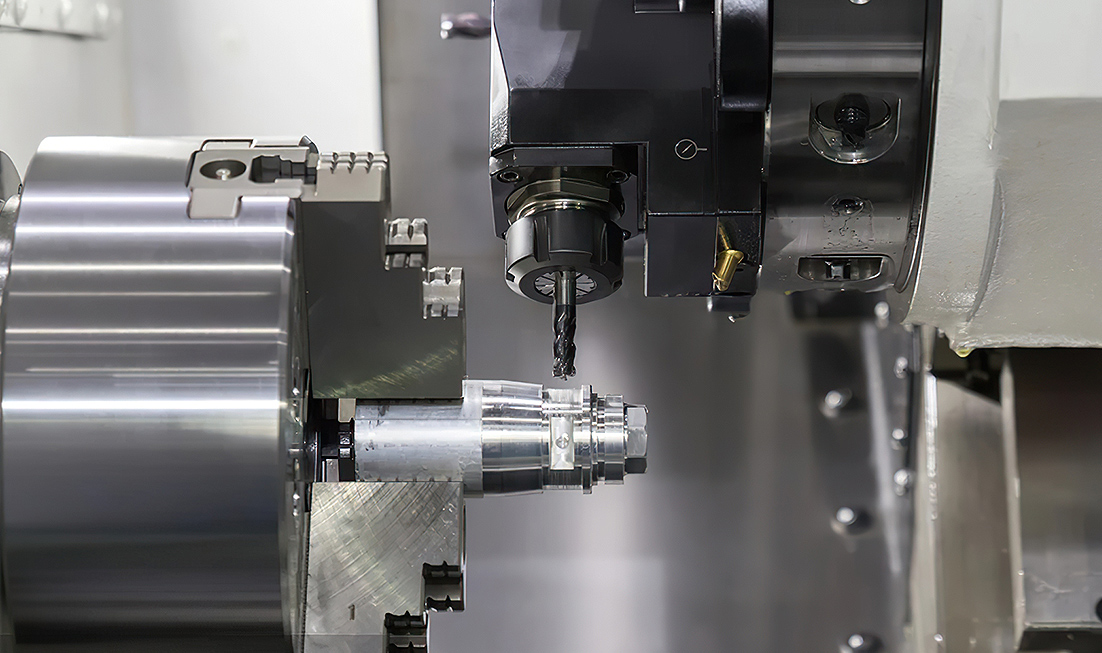
Le tournage CNC permet un contrôle précis des trajectoires d’outils grâce à des systèmes de commande numériques. Il permet de réaliser, en un seul serrage, le tournage extérieur, l’alésage intérieur, le dressage, le rainurage, le filetage et la réalisation de contours complexes. Il répond ainsi naturellement aux besoins fondamentaux de l’industrie électronique : dimensions miniatures, exigences de haute précision et production en grande série.
Par rapport au tournage manuel traditionnel, le tournage CNC reproduit avec précision les trajectoires d'usinage et les paramètres de coupe grâce à des programmes standardisés. Il réduit considérablement les écarts dimensionnels liés à l'intervention manuelle. Associé à des technologies de chargement/déchargement automatisés et de contrôle en cours de fabrication, il renforce encore davantage l'efficacité de la production en série. Aujourd'hui, il est devenu l'un des procédés clés de la fabrication de composants électroniques de précision.
1. Principaux cas d'application du tournage à commande numérique dans le domaine des composants électroniques
1.1 Composants de précision essentiels des connecteurs électroniques
Les connecteurs sont des composants essentiels qui assurent la transmission des signaux et de l'énergie dans les systèmes électroniques. Leurs pièces internes principales, notamment les bornes métalliques, les broches, les manchons de contact et les tiges de connexion, sont généralement de très petite taille et soumises à des exigences strictes en matière de tolérances géométriques. Ces caractéristiques ont une incidence directe sur la résistance de contact, la durée de vie en cycles d'accouplement et la stabilité de la transmission des signaux.
Les tours à commande numérique usinent le diamètre extérieur, l'alésage intérieur, les rainures de positionnement, les cônes d'étanchéité et les structures filetées des bornes en une seule opération. Cela garantit la concentricité et l'état de surface des diamètres intérieurs et extérieurs, et évite les erreurs cumulées liées aux multiples serrages lors des différentes étapes de fabrication.
Pour les produits haut de gamme tels que les connecteurs RF, un contrôle de concentricité de haute précision permet de réduire efficacement les pertes de signal et de garantir des performances de transmission à haute fréquence. Les programmes d'usinage standardisés assurent également une grande cohérence dimensionnelle tout au long des séries de production en série. Cela offre une base dimensionnelle stable pour les processus ultérieurs de placage et d'assemblage.
1.2 Composants fonctionnels de matériel de précision
Les appareils électroniques contiennent un grand nombre de composants matériels fonctionnels. Ces composants assurent des fonctions essentielles telles que la fixation, la transmission et le positionnement, et constituent un soutien indispensable au bon fonctionnement des structures de ces appareils.
Les pièces de fixation telles que les écrous de précision, les goujons miniatures et les douilles filetées sont soumises à des exigences strictes en matière de précision du profil du filetage et d'écart de pas. Le tournage CNC permet de contrôler avec précision la profondeur de filetage et la trajectoire de l'outil, garantissant ainsi un couple de serrage constant lors de l'assemblage. Cela améliore la résistance aux vibrations et les performances anti-desserrage de l'ensemble de la structure de l'équipement.
Les pièces d'arbres miniatures sont largement utilisées dans les micromoteurs, les capteurs et les actionneurs de précision. Le tournage de haute précision permet de contrôler efficacement la circularité, la concentricité et la rugosité de surface. Il en résulte une réduction du bruit de fonctionnement ainsi qu'une amélioration de la stabilité opérationnelle et de la durée de vie des mécanismes rotatifs.
1.3 Composants métalliques de structure et de blindage
Outre les pièces conductrices et de transmission, le tournage CNC est également largement utilisé pour fabriquer des éléments de support structurel, de blindage électromagnétique et de dissipation thermique destinés aux appareils électroniques.
Les pièces structurelles telles que les tiges de support de circuits imprimés, les tiges de fixation et les tiges de positionnement bénéficient d'un contrôle unifié de la longueur et de la précision du filetage. Cela permet de réduire les erreurs de planéité lors de l'assemblage des circuits imprimés et garantit une soudure fiable des puces et des composants.
Les manchons de blindage métalliques nécessitent une circularité et des cotes d'ajustement de haute précision pour garantir un ajustement serré lors du montage. Ils réduisent efficacement les interférences électromagnétiques (EMI) et assurent une transmission stable du signal interne.
De plus, le tournage de précision permet de réaliser des canaux d'écoulement complexes et des surfaces d'ajustage sur des structures de dissipation thermique en alliage d'aluminium, améliorant ainsi l'efficacité de la gestion thermique des appareils électroniques.
2. Adaptation des procédés de tournage aux matériaux couramment utilisés pour les composants électroniques
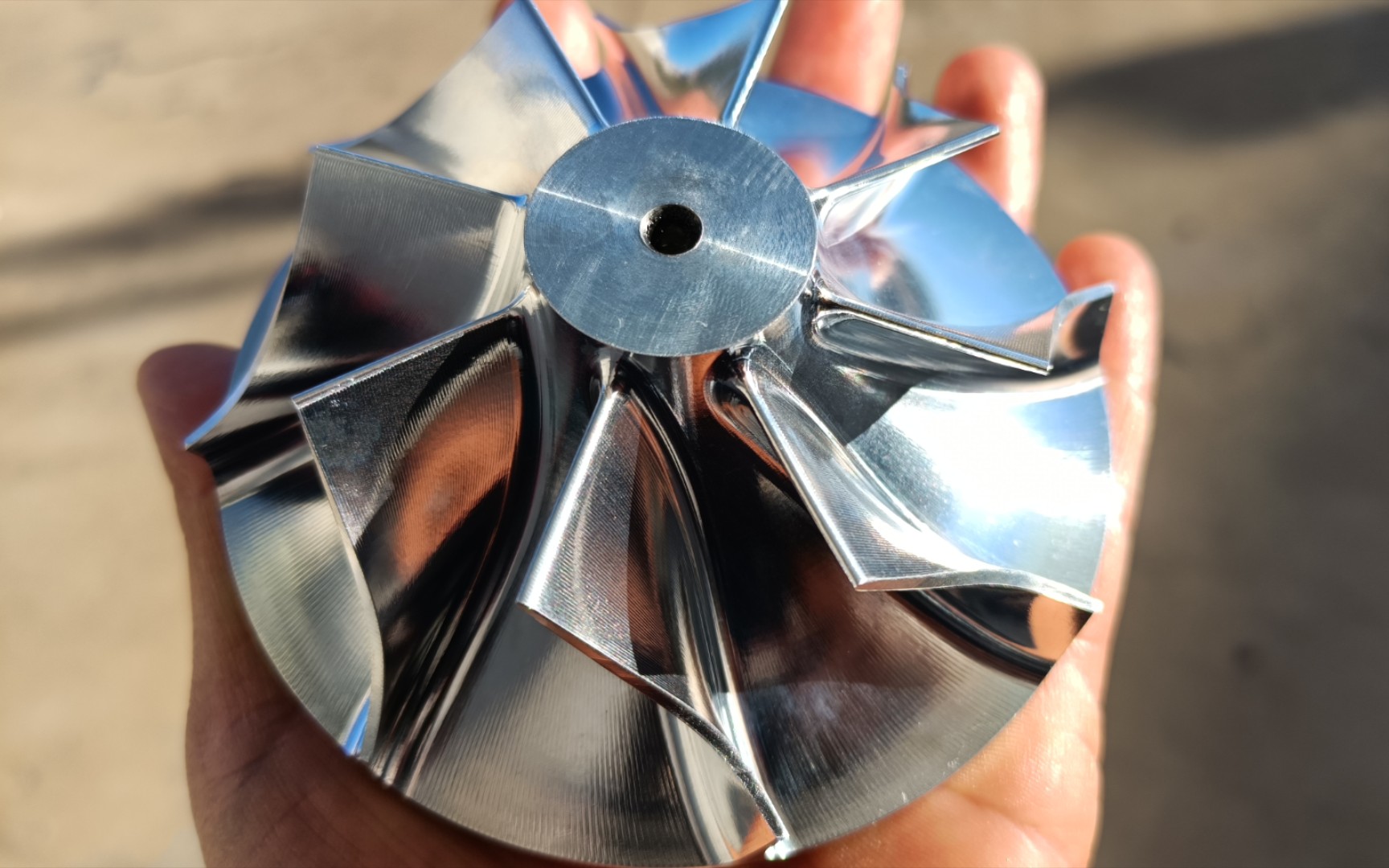
Les composants électroniques doivent présenter un équilibre entre conductivité électrique, résistance mécanique, résistance à la corrosion et légèreté. Parmi les matériaux couramment utilisés, on trouve le laiton, les alliages d’aluminium et l’acier inoxydable. Ces matériaux présentant des caractéristiques d’usinage très différentes, des solutions de processus adaptées sont nécessaires pour garantir la qualité de l’usinage.
2.1 Usinage de pièces en laiton
Le laiton offre une excellente conductivité électrique, une excellente conductivité thermique et une excellente usinabilité, ce qui en fait un matériau très répandu pour les bornes de connecteurs électroniques et les connecteurs conducteurs.
Le laiton présente une faible résistance à la coupe et se prête bien au tournage à grande vitesse. En optimisant les paramètres de coupe et la géométrie des arêtes de l'outil, les fabricants peuvent réduire les bavures d'usinage et obtenir des finitions de surface de haute qualité.
Cela permet non seulement de réduire la résistance de contact, mais aussi de diminuer le coût des opérations de polissage et de placage qui suivent. Ce procédé est parfaitement adapté aux besoins de production à grand volume et à faible coût des composants électroniques.
2.2 Usinage de pièces en alliage d'aluminium
Grâce à leur faible densité et à leur conductivité thermique élevée, les alliages d'aluminium sont largement utilisés dans la fabrication de pièces structurelles d'équipements électroniques, de dissipateurs thermiques et de composants de boîtiers.
Les alliages d'aluminium présentent une grande plasticité, ce qui favorise la formation de bavures lors de l'usinage. Cela entraîne des rayures superficielles et une détérioration de l'état de surface. Les pièces structurelles à parois minces sont également sujettes à la déformation sous l'effet des forces de serrage et de coupe.
Pour les pièces en alliage d'aluminium, le tournage CNC nécessite des outils bien affûtés présentant de grands angles de coupe, associés à des vitesses de coupe et des avances adaptées. Les trajectoires d'évacuation des copeaux sont également optimisées afin d'éviter que ceux-ci ne rayent une seconde fois les surfaces usinées.
Pour les manchons et les pièces de boîtier à parois minces, des mâchoires souples sur mesure et des solutions à faible force de serrage permettent de limiter les déformations liées à l'usinage. Cela garantit la précision dimensionnelle et géométrique.
2.3 Usinage de pièces en acier inoxydable
L'acier inoxydable se caractérise par une grande solidité, une excellente résistance à la corrosion et à la fatigue. Il est principalement utilisé pour la fabrication de pièces de précision destinées à des conditions d'utilisation difficiles, notamment dans l'électronique industrielle, les équipements de communication en extérieur et l'électronique automobile.
L'acier inoxydable présente des caractéristiques évidentes d'écrouissage. Le processus d'usinage génère une importante chaleur de coupe, ce qui entraîne une usure rapide de l'outil.
Grâce à un contrôle précis des paramètres lors du tournage CNC, associé à des outils hautement résistants à l'usure et à un refroidissement et une lubrification adéquats, les fabricants peuvent limiter efficacement l'écrouissage et contrôler le taux d'usure des outils. Cela garantit la stabilité dimensionnelle dans la production en série et répond aux exigences de durabilité à long terme des pièces utilisées dans des environnements complexes.
3. Contrôle de la précision et de l'efficacité dans la production en série
Le secteur de l'électronique se caractérise par des cycles de renouvellement rapides des produits, une forte demande en composants et des délais de livraison courts. Grâce à l'intégration des technologies numériques et d'automatisation, le tournage CNC permet d'atteindre simultanément deux objectifs : une haute précision et une grande efficacité.
3.1 Contrôle de la stabilité de la précision tout au long du processus
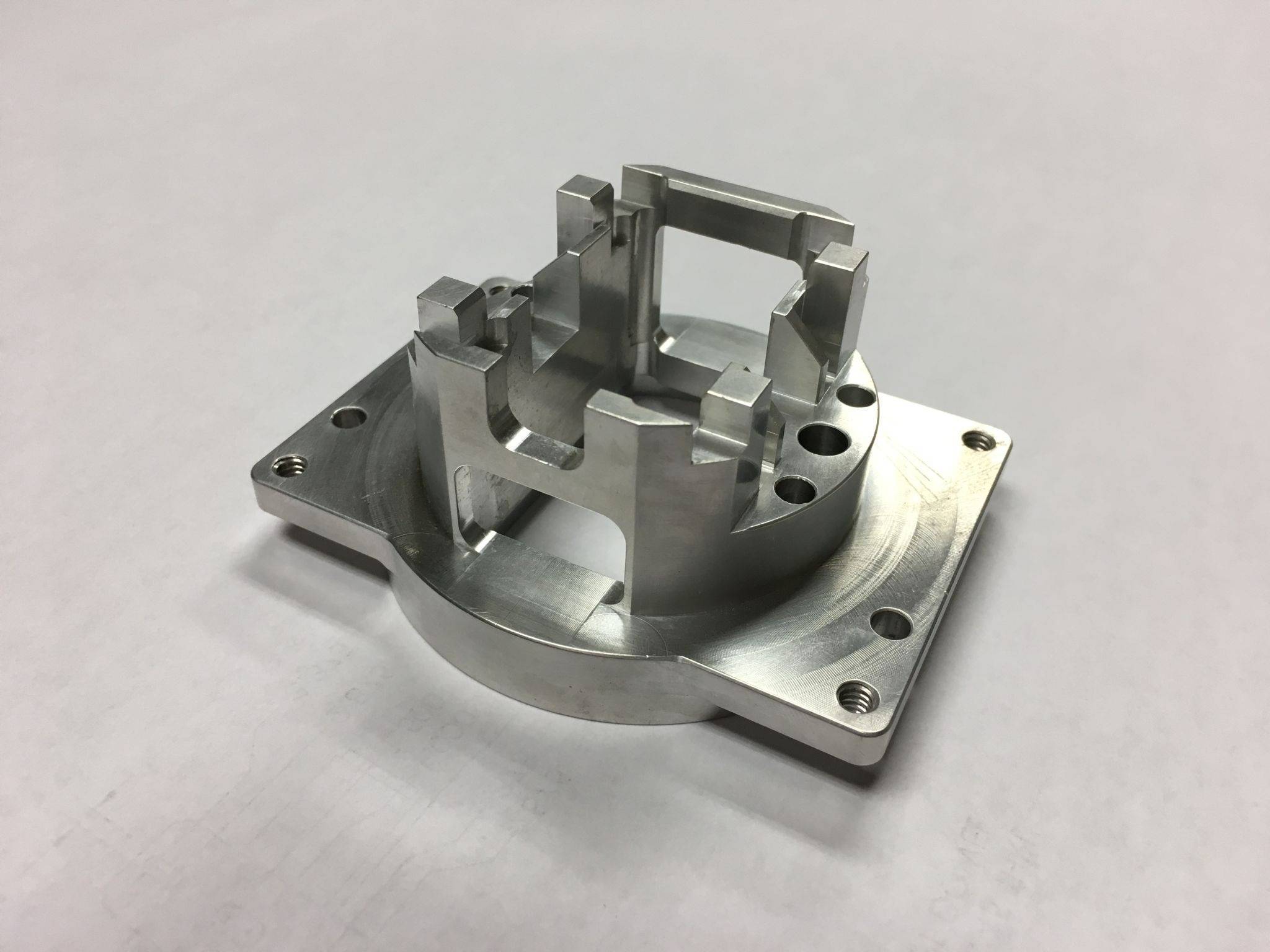
Un plan d'usinage par étapes, comprenant l'ébauche, la semi-finition et la finition, permet d'enlever progressivement la surépaisseur et d'éliminer les contraintes d'usinage. Cela garantit la précision dimensionnelle et le respect des tolérances géométriques des pièces grâce à la conception du processus.
Les programmes CNC standardisés reproduisent fidèlement les trajectoires d'usinage et les paramètres de coupe. Ils éliminent les variations individuelles liées au fonctionnement manuel et garantissent une qualité constante d'un lot de production à l'autre. Cela permet de réduire efficacement les taux de retouches et le gaspillage de matière.
3.2 Contrôle en cours de fabrication et compensation dynamique des outils
Les machines de tournage à commande numérique équipées d'un système de contrôle en cours de fabrication recueillent en temps réel les données dimensionnelles essentielles des pièces. Elles identifient automatiquement les tendances de dérive dimensionnelle causées par l'usure des outils.
Lorsque l'usure atteint un seuil défini, le système déclenche automatiquement la compensation d'outil et ajuste la position d'usinage de l'outil. Cela permet de maintenir les dimensions des pièces dans les limites de la bande de tolérance et d'éviter le rebut de lots. Ce système est particulièrement adapté à la production en continu de composants électroniques miniatures.
3.3 La production automatisée améliore les performances de livraison
Les unités de tournage CNC, associées à des mécanismes de chargement/déchargement automatiques, à des changeurs d'outils automatiques et à des bras robotisés, permettent un usinage entièrement automatisé des pièces. Elles réduisent considérablement les temps morts liés au serrage et aux changements d'outils, et améliorent le taux d'utilisation des équipements.
Les systèmes de gestion numérique de la production enregistrent en temps réel les paramètres d'usinage, la durée de vie des outils et les données de contrôle pour chaque lot de pièces. Cela permet d'assurer la traçabilité de la qualité tout au long du processus et fournit des données utiles pour l'amélioration continue des processus et l'optimisation de la qualité.
4. Valeur industrielle et tendances de développement
La généralisation de la technologie de tournage CNC de haute précision a efficacement favorisé la miniaturisation et l'amélioration de la précision des composants électroniques. Elle permet non seulement d'améliorer la précision d'assemblage et la fiabilité des connexions des équipements électroniques, mais aussi de réduire les coûts globaux de fabrication grâce à la production automatisée en série. Elle est désormais devenue un processus de base incontournable dans la chaîne de fabrication électronique.
Alors que les exigences en matière de dimensions et de performances des composants ne cessent de s'accroître dans les secteurs de l'électronique grand public, de l'électronique automobile, des communications optiques et dans d'autres domaines, le tournage CNC évolue vers la micro-usinage de haute précision, le contrôle intelligent des processus et l'usinage combiné multiprocédés.
PartsMastery est spécialisé dans les solutions d'usinage CNC haute performance. Nous proposons un accompagnement technique complet pour les composants électroniques de précision, notamment en matière d'optimisation des processus, de sélection des outils, de mise en place de lignes de production automatisées et de contrôle qualité numérique. Nous aidons les fabricants d'équipements électroniques à améliorer la précision d'usinage de leurs pièces et leur efficacité de production, et nous fournissons un soutien fiable en matière d'usinage de précision pour l'électronique grand public, les équipements de communication, les systèmes de contrôle industriel et d'autres domaines.