




Tu guía definitiva sobre Molde de inyección OEM: Por qué es importante la precisión en la producción a gran escala
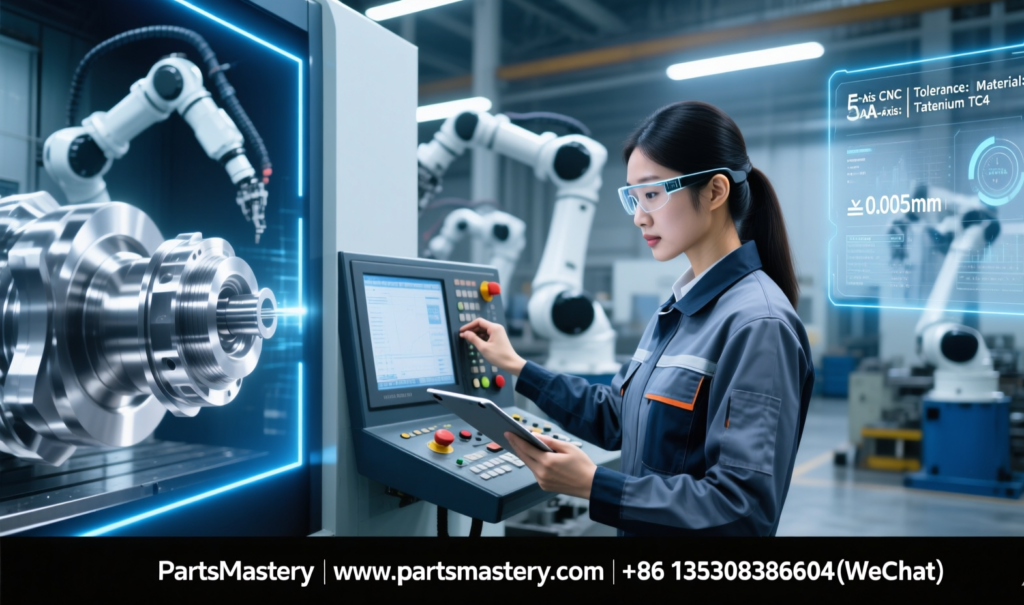
En lo que respecta a la fabricación moderna de componentes de plástico, el Molde de inyección OEM es la base de una producción en serie fiable. A diferencia de un molde estándar, un Molde de inyección OEM es una herramienta diseñada a medida específicamente para la geometría única de tu producto. Elegir la herramienta adecuada Molde de inyección OEM No se trata solo de fundir plástico y rellenar cavidades, sino de controlar las tolerancias, los tiempos de ciclo, la integridad del material y la rentabilidad a largo plazo.
La cuestión no es “si” se debe utilizar el moldeo por inyección para piezas complejas. La verdadera pregunta es: ¿por qué los fabricantes de equipos originales (OEM) recurren exclusivamente a moldes de alta precisión? Este artículo analiza las principales ventajas, los factores que influyen en los costes y los requisitos técnicos para lograr el éxito Molde de inyección OEM proyectos, basándose en las mejores prácticas del sector y en datos procedentes de centros de fabricación avanzada.
¿Por qué elegir un molde de inyección OEM en lugar de un molde estándar?
Para los fabricantes de equipos originales, un sistema específico Molde de inyección OEM es imprescindible cuando se requiere repetibilidad. El moldeo por inyección con un molde diseñado específicamente ofrece claras ventajas competitivas que pueden determinar el éxito o el fracaso del ciclo de vida de un producto:
-
Alta eficiencia y bajo coste por pieza: El utillaje supone una inversión inicial, pero una vez que el Molde de inyección OEM Una vez que está listo, se pueden fabricar decenas de miles de piezas a un coste unitario extraordinariamente bajo. El mercado mundial del moldeo por inyección, valorado en más de 291.000 millones de dólares en 2025, sigue creciendo gracias a esta escalabilidad sin igual.
-
Libertad de diseño y geometrías complejas: Un Molde de inyección OEM permite crear formas complejas, salientes internos, nervaduras y bisagras flexibles que costarían una fortuna si se fabricaran con CNC o impresión 3D.
-
Una selección excepcional de materiales: Tanto si necesitas la resistencia a altas temperaturas del PEEK, la resistencia al impacto del ABS o la transparencia del policarbonato, el Molde de inyección OEM es compatible con una amplia gama de termoplásticos y materiales compuestos.
Qué cabe esperar en 2026: el futuro del sector
En Molde de inyección OEM El panorama está evolucionando rápidamente. En 2026, la sostenibilidad es un eje central del cambio. Las presiones normativas y la demanda de los consumidores en materia de reciclaje están impulsando a los fabricantes de equipos originales (OEM) a utilizar moldes que admitan contenido reciclado y resinas de origen biológico. Además, los sensores integrados y el mantenimiento predictivo están transformando Molde de inyección OEM convierte las máquinas en activos ricos en datos, optimizando el rendimiento casi en tiempo real.
Análisis de costes: cómo entender tu inversión en moldes de inyección OEM
Una de las mayores preocupaciones de los fabricantes de equipos originales (OEM) a la hora de actualizar a un Molde de inyección OEM es el coste de los moldes, que varía considerablemente en función de la aplicación. Para las empresas que se abastecen a nivel mundial, especialmente en clústeres como Shenzhen o Ningbo, los costes de los moldes para un Molde de inyección OEM pueden ser entre 20 y 50% más baratas que las opciones occidentales, con moldes sencillos a partir de aproximadamente 1,000–5.000. Sin embargo, los expertos del sector desaconsejan buscar el precio de etiqueta más bajo, ya que los rediseños o las modificaciones ocultas pueden anular rápidamente ese descuento.
Estos son los factores clave que influyen en el precio de tu Molde de inyección OEM:
-
Grado de acero : Elegir un tipo de acero inadecuado para tu Molde de inyección OEM puede resultar caro. El acero para herramientas H13 es resistente para grandes volúmenes, pero se prefiere el acero inoxidable 420 por su resistencia a la corrosión.
-
Recuento de cavidades : Aumentar el número de impresiones en tu Molde de inyección OEM reduce el precio por unidad, pero aumenta considerablemente la complejidad inicial y los costes de material.
-
Complejidad de la pieza y acabado superficial : Si tu Molde de inyección OEM Si se requieren características como acciones laterales, mecanismos de desenroscado o acabados de alto brillo, las horas de mecanizado se multiplican rápidamente.
Selección de materiales para tu molde de inyección OEM
Elegir la resina adecuada es fundamental para el éxito de tu Molde de inyección OEM. A continuación se ofrece una guía rápida sobre los materiales más habituales que se utilizan hoy en día en aplicaciones OEM:
-
Polipropileno (PP) : De bajo coste, flexible y resistente a la fatiga. Ideal para bienes de consumo y bisagras flexibles.
-
ABS: Alta resistencia, tenacidad y facilidad de procesamiento. La opción habitual para carcasas electrónicas y piezas de automoción.
-
Policarbonato (PC) : Excelente transparencia y alta resistencia al impacto. Se utiliza para componentes ópticos y equipos de seguridad.
-
POM (acetal/Delrin) : Alta rigidez y resistencia al desgaste. Ideal para engranajes de precisión y piezas mecánicas.
Calidad, certificaciones y la ventaja del “Made in China”
Al fabricar un Molde de inyección OEM, las certificaciones de calidad son tu red de seguridad. Para los fabricantes de equipos originales (OEM) de sectores regulados, como el de los productos sanitarios, ISO 13485 La certificación es obligatoria para un Molde de inyección OEM proveedor. Esta norma garantiza una precisión a nivel de micras y una trazabilidad total de los materiales, lo cual es fundamental para los componentes que inciden en la seguridad del paciente.
China sigue siendo el motor de la fabricación por inyección, con proveedores que ofrecen ecosistemas integrados en los que convergen el diseño de moldes, el aprovisionamiento de materiales y el moldeo a alta velocidad. Tanto si necesitas una producción en serie Molde de inyección OEM En el caso de una muestra de bajo volumen, la creación rápida de prototipos suele completarse en un plazo de entre 7 y 14 días.
¿Por qué asociarse con PartsMastery?
En PartsMastery, no nos limitamos a vender moldes de inyección; diseñamos soluciones de fabricación. Somos conscientes de que el rendimiento de su producto final depende en gran medida de la Molde de inyección OEM utilizados para su fabricación. Nuestro equipo está especializado en moldeo por inyección avanzado y ofrece un apoyo técnico integral, desde el análisis de «diseño para la fabricabilidad» (DFM) hasta la producción final.
Elegir bien Molde de inyección OEM Transforma tu cadena de suministro, pasando de un enfoque reactivo a uno proactivo. Garantiza tolerancias más estrictas, tiempos de ciclo más rápidos y una fabricación escalable a largo plazo. Combinamos las normas internacionales de calidad con la precisión en la fabricación para dar vida a tus complejos componentes de plástico.
¿Estás listo para empezar tu Molde de inyección OEM ¿Quieres presentar un proyecto o comentar tus especificaciones técnicas? Ponte en contacto con PartsMastery gracias a soluciones modernas de eficiencia.
Contáctanos:
PartsMastery
Teléfono: +86 13530838604 (WeChat)