






Das Glühen von Kunststoffen ist ein zentrales Wärmebehandlungsverfahren in der Präzisionskunststofffertigung. Dabei wird ein kontrollierter Zyklus aus Erwärmen, Halten und langsamem Abkühlen angewendet, um Restspannungen zu lösen, die durch Spritzguss, Extrusion oder CNC-Bearbeitung entstanden sind. Durch diesen Prozess kehren die Polymerketten in einen entspannten Zustand zurück. Dies verbessert wiederum die Maßgenauigkeit der Bauteile, ihre strukturelle Stabilität und ihre langfristige Betriebssicherheit. Bei technischen Kunststoffbauteilen mit engen Toleranzen und rauen Einsatzbedingungen ist das Glühen ein entscheidender Prozess, um die Produktleistung zu gewährleisten.
Dieser Leitfaden behandelt systematisch die Funktionsprinzipien des Kunststoffglühens, acht gängige Verarbeitungsverfahren, Parameterspezifikationen für gängige Werkstoffe, Leistungsgrenzen sowie Anwendungsbeispiele aus der Industrie. Er dient als fachliche Referenz für die Prozessauswahl und die Produktionssteuerung bei der Herstellung von Kunststoffbauteilen.
1. Funktionsprinzipien und Kernvorteile des Kunststoffglühens
1.1 Grundlegender Prozessmechanismus
Beim Formpressen oder Schneiden werden die Polymerketten des Kunststoffs unter Einwirkung äußerer Kräfte zwangsweise ausgerichtet. Ungleichmäßige Abkühlung, schwankende Wandstärken und Temperaturgradienten führen dazu, dass Spannungen im Bauteil eingeschlossen werden. Diese Eigenspannungen bauen sich während der Lagerung, Montage oder im Betrieb langsam ab. Im Laufe der Zeit führen sie häufig zu Verformungen, Maßabweichungen, Spannungsrissen und anderen Defekten.
Das Grundprinzip des Temperns ist einfach. Die Hersteller erhitzen die Teile auf eine bestimmte Temperatur unterhalb der Glasübergangstemperatur, halten sie ausreichend lange auf dieser Temperatur, damit sich die Polymerketten entspannen können, und kühlen sie anschließend mit einer kontrollierten, gleichmäßigen Geschwindigkeit ab. Durch diesen Vorgang kann sich die Molekülstruktur in einem spannungsfreien Zustand wieder stabilisieren. Dadurch wird das Risiko späterer Verformungen und Rissbildungen grundlegend verringert.
1.2 Wesentliche Vorteile des Prozesses
- Restspannungsabbau: Reduziert die durch Umformung und Bearbeitung entstehenden inneren Spannungskonzentrationen erheblich und verringert die durch spätere Spannungsentlastung verursachten Schäden.
- Verbesserte Dimensionsstabilität: Verhindert langfristige Maßabweichungen, gewährleistet Montagegenauigkeit und Passungstoleranzen und verringert das Risiko von Verformungen.
- Verbesserte Rissbeständigkeit und mechanische Eigenschaften: Verbessert die Zähigkeit des Werkstoffs, verringert das Risiko von Spannungsrissen und erhöht in geringem Maße die Festigkeit, Härte und das Verschleißverhalten.
- Optimierte spezielle Funktionseigenschaften: Verbessert die Gleichmäßigkeit der Lichtdurchlässigkeit von optischen Kunststoffen und erhöht die langfristige Korrosions- und Witterungsbeständigkeit.
2. 8 gängige Verfahren zum Tempern von Kunststoffen
Die verschiedenen Glühverfahren unterscheiden sich hinsichtlich der Aufheizweise, der Umgebungssteuerung, der Produktionseffizienz und der Wirkung beim Spannungsabbau. Hersteller sollten das geeignete Verfahren unter Berücksichtigung der Materialart, der Bauteilgeometrie, der Oberflächenanforderungen und des Produktionsvolumens auswählen.
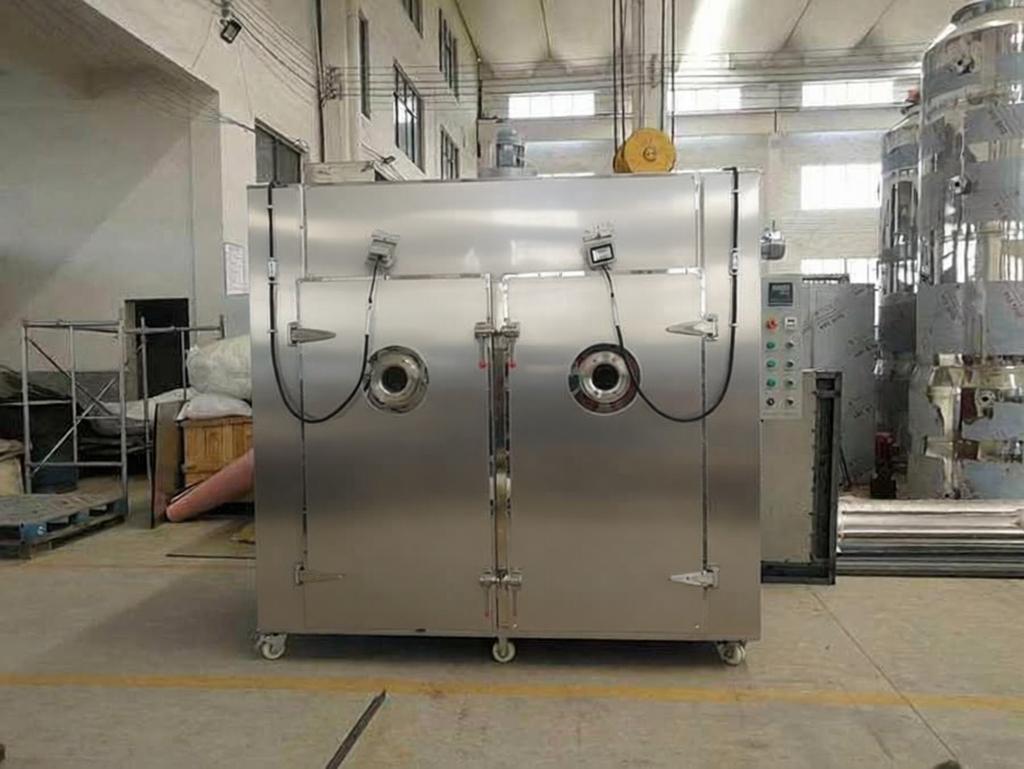
2.1 Glühen mit Heißluftumwälzung
Dies ist die in der Industrie am häufigsten verwendete Lösung für das allgemeine Glühen. Dabei wird durch Heißluftzirkulation im Ofen eine gleichmäßige Erwärmung erreicht, die Teile werden auf der Solltemperatur gehalten und anschließend unter programmierter Steuerung abgekühlt.
Zu den wesentlichen Vorteilen zählen der einfache Aufbau der Anlage, niedrige Betriebskosten und eine einfache Skalierbarkeit für die Massenproduktion. Das Verfahren eignet sich für die meisten gängigen technischen Kunststoffe. So lassen sich beispielsweise durch das Tempern von Polycarbonat-Bauteilen bei 120 °C über einen Zeitraum von 1–2 Stunden 35%–45% an verbleibender innerer Spannung abbauen. Es ist das Verfahren der ersten Wahl für gängige Strukturteile und Gehäuse.
2.2 Vakuumglühen
Beim Vakuumglühen erfolgen das Erhitzen und Abkühlen in einer sauerstofffreien Niederdruckumgebung. Dadurch werden Oberflächenoxidation, Vergilbung und thermische Zersetzung von Kunststoffen bei hohen Temperaturen vollständig verhindert.
Dieses Verfahren eignet sich für Bauteile mit strengen Anforderungen an die Oberflächen- oder optische Qualität. So lässt sich beispielsweise durch das Glühen von Präzisions-Nylon-Bauteilen bei 110 °C unter Vakuum für 4 Stunden eine Spannungsentlastung gemäß 40%–50% erzielen. Gleichzeitig bleibt die hohe Oberflächengüte erhalten, und es treten keine oxidativen Verfärbungen auf.
2.3 Feuchtglühen
Das Feuchtglühen erfolgt in einer Umgebung mit konstanter Temperatur und Luftfeuchtigkeit. Wassermoleküle dringen in die Polymersegmente ein, erhöhen die molekulare Mobilität und ermöglichen eine Spannungsrelaxation bei niedrigeren Temperaturen. Außerdem wird dadurch das Risiko von thermischer Sprödigkeit und Rissbildung verringert.
Dieses Verfahren eignet sich besonders gut für rissempfindliche Werkstoffe wie PET. Eine Behandlung bei 60 °C und hoher Luftfeuchtigkeit über einen Zeitraum von 2–3 Stunden reduziert Mikrorisse um 30%–40% und erhöht die Zugzähigkeit um 20%–30%. Hersteller setzen dieses Verfahren in großem Umfang bei Folien und dünnwandigen Verpackungsteilen ein.
2.4 Schrittweises, stufenweises Glühen
Beim stufenweisen Glühen erfolgt das Erwärmen und Abkühlen schrittweise anstelle eines einheitlichen Temperaturanstiegs. Dadurch können sich die Bauteile allmählich an Temperaturänderungen anpassen, und es werden Sekundärspannungen und Verformungen durch Thermoschock vermieden.
Bei komplexen, dünnwandigen Bauteilen aus ABS sorgt ein mehrstufiger Temperaturanstieg von 80 °C auf 120 °C mit einer Haltezeit von jeweils einer Stunde pro Stufe für eine gleichmäßige Spannungsentlastung. Die Maßgenauigkeit kann dabei innerhalb von ±0,05 mm gehalten werden. Dies ist ein gängiges Verfahren für hochpräzise, komplexe Bauteile.
2.5 Tempern in flüssigem Medium
Beim Flüssigkeitsglühen werden Wärmeübertragungsöl, Salzlösung oder andere Flüssigkeiten als Heizmedium verwendet. Die Flüssigkeit umgibt das Werkstück vollständig und sorgt für eine wesentlich gleichmäßigere Wärmeübertragung als Luft. Dadurch werden Probleme mit lokalen Temperaturunterschieden bei Werkstücken mit komplexer Geometrie oder ungleichmäßiger Wandstärke gelöst.
Bei Hochleistungs-Konstruktionskunststoffen wie PEEK lässt sich durch Glühen in flüssigem Medium bei 150 °C über einen Zeitraum von 2 Stunden eine Spannungsentlastung im Bereich von 45% bis 55% erzielen, ohne dass die Gefahr einer lokalen Überhitzung besteht. Dieses Verfahren eignet sich für dickwandige, unregelmäßig geformte Präzisionsteile.
2.6 Glühen mittels Infrarotstrahlung
Beim Infrarot-Glühen wird die Oberfläche des Werkstücks direkt durch Infrarotstrahlung erwärmt. Dieses Verfahren zeichnet sich durch eine schnelle Aufheizgeschwindigkeit und einen hohen thermischen Wirkungsgrad aus und erfordert kein Vorheizen der gesamten Umgebung. Dadurch wird der Bearbeitungszyklus erheblich verkürzt.
Dieser Prozess zielt auf die hocheffiziente Fertigung dünnwandiger Bauteile ab. Bei Kunststoffteilen mit einer Wandstärke von 1–2 mm dauert der Glühvorgang mit Spannungsarmglühen für die Stähle 30%–40% nur 3–5 Minuten bei 130 °C–140 °C. Er eignet sich für Produktionslinien zur Herstellung dünnwandiger Teile in großen Stückzahlen und mit kurzen Zykluszeiten.
2.7 Salzbadglühen
Beim Salzbadglühen werden die Werkstücke in geschmolzenes Salz bei hoher Temperatur eingetaucht. Die extrem hohe Wärmeleitfähigkeit von geschmolzenem Salz sorgt für eine äußerst schnelle und gleichmäßige Erwärmung. Seine Wärmeübertragungseffizienz übertrifft die von Luft und herkömmlichen flüssigen Medien bei weitem.
Die Betriebstemperatur liegt in der Regel zwischen 150 °C und 200 °C. Durch eine Haltezeit von 1–2 Stunden werden innere Spannungen im Bereich von 40%–60% abgebaut. Das Verfahren wird vor allem für hochbelastete Bauteile aus Hochleistungskunststoffen eingesetzt und verbessert sowohl die Maßhaltigkeit als auch die mechanischen Eigenschaften.
2.8 Mikrowellen-Glühen
Beim Mikrowellen-Glühen werden hochfrequente elektromagnetische Felder genutzt, um molekulare Schwingungen im Inneren des Materials anzuregen. Dadurch entsteht Wärme von innen nach außen, wodurch das bei herkömmlichen Verfahren auftretende Problem des Temperaturgradienten – “außen heiß, innen kalt” – gelöst wird.
Bei Hochleistungswerkstoffen wie Polyimid dauert das Tempern bei 2,45 GHz nur 5–10 Minuten und führt zu einer Spannungsentlastung von 35%–45%. Gleichzeitig senkt es den Energieverbrauch im Vergleich zu herkömmlichen Verfahren um 30%–40%. Es ist eine bevorzugte Lösung für die energieeffiziente Herstellung von Hochleistungswerkstoffen.
3. Glühparameter und Materialverträglichkeit
Die verschiedenen Kunststoffe unterscheiden sich erheblich hinsichtlich ihrer Molekülstruktur, Glasübergangstemperatur und Spannungsempfindlichkeit. Die Temperprozesse müssen für jedes Material individuell angepasst werden. Die folgende Tabelle enthält allgemeine Richtwerte:
| Material | Empfohlene Temperatur | Typische Haltezeit | Kernverbesserung |
|---|---|---|---|
| ABS | 80 °C – 100 °C | 2–4 Stunden | Reduziert Formspannungen, verbessert die Maßgenauigkeit und die Schlagzähigkeit |
| Polycarbonat (PC) | 120 °C – 130 °C | 1–3 Stunden | Verhindert Spannungsrisse, verbessert die optische Gleichmäßigkeit und die Maßhaltigkeit |
| Polyethylen (PE) | 70 °C – 90 °C | 1,5 – 3 Stunden | Verringert die Rissbildung durch Umweltbelastungen und verlängert die Lebensdauer von Rohren und Tanks |
| Phenolharz (Bakelit) | 150 °C – 180 °C | 3–5 Stunden | Stabilisiert die vernetzte Struktur, verbessert die Härte, die Hitzebeständigkeit und die Isolierfähigkeit |
| PET | 50 °C – 60 °C | 2–3 Stunden | Erhöht die Zähigkeit und Duktilität und verringert das Rissrisiko bei Folien und Vorformlingen |
In der tatsächlichen Produktion sollten Sie die Glühparameter entsprechend der Wandstärke des Bauteils, der bisherigen Bearbeitungsgeschichte und den Toleranzanforderungen anpassen. Dickwandige Bauteile erfordern eine längere Haltezeit, um eine vollständige Spannungsentlastung im Kern zu gewährleisten. Bei hochpräzisen Bauteilen sollte eine stufenweise Erwärmung und Abkühlung erfolgen, um thermische Verformungen zu kontrollieren.
4. Vorteile, Einschränkungen und Anwendungsgrenzen
4.1 Vorteile der Kernprozesse
- Deutliche Verbesserung der Maßgenauigkeit: Reduziert Maßabweichungen von Millimetern auf unter 0,1 mm und erhöht die Montage-Ausbeute erheblich.
- Deutlich geringeres Ausfallrisiko: Reduziert Spannungsrisse und Verformungen um mehr als 60% und verlängert die Lebensdauer der Bauteile.
- Hohe Chargenkonsistenz: Der standardisierte Prozess gewährleistet ein gleichbleibendes Spannungsniveau und eine gleichbleibende Maßhaltigkeit über alle Chargen hinweg und verringert Qualitätsschwankungen.
- Breite Prozesskompatibilität: Eignet sich für die meisten Thermoplaste und einige Duroplaste und ist für Teile unterschiedlicher Bauart und Produktionsmengen geeignet.
4.2 Anwendungsbeschränkungen
- Längerer Produktionszyklus: Als zusätzlicher Nachbearbeitungsschritt verlängert dies die Produktionszeit um mehrere Stunden und beeinträchtigt die Liefereffizienz.
- Strenge Anforderungen an die Prozesskontrolle: Eine unzureichende Regelung von Temperatur, Zeit oder Abkühlgeschwindigkeit kann zu Erweichung, Verformung, Oberflächenoxidation und anderen neuen Fehlern führen.
- Höhere Produktionskosten: Es verursacht zusätzliche Energie-, Arbeits- und Anlagenkosten und weist bei Teilen mit geringer Wertschöpfung eine geringe Wirtschaftlichkeit auf.
- Begrenzte Verbesserungsgrenze: Es beseitigt lediglich Restspannungen und kann keine materialbedingten Mängel oder Fehler im Formgebungsprozess ausgleichen.
 5. Zentrale Anwendungsszenarien in der Industrie
Das Glühen findet breite Anwendung in Branchen, in denen hohe Maßhaltigkeit und langfristige Zuverlässigkeit gefordert sind. Zu den typischen Anwendungsfällen gehören:
- Automobilbau: Wird bei Innenausstattungs- und funktionalen Strukturteilen aus ABS und PC eingesetzt. Es gleicht Spannungsansammlungen aufgrund von Vibrationen und Temperaturschwankungen aus, verringert das Risiko von Rissbildung und Verformungen und verbessert die Haltbarkeit der Bauteile.
- Medizinische Geräte: Wird für Präzisionsinstrumentenkomponenten und implantierbare Teile aus PEEK und anderen Hochleistungskunststoffen verwendet. Es gewährleistet langfristige Maßhaltigkeit und verringert Sicherheitsrisiken durch Spannungsrisse.
- Elektrotechnik und Elektronik: Wird bei Gehäusen aus Polycarbonat und isolierenden Bauteilen verwendet. Es begrenzt Maßabweichungen bei Temperatur- und Feuchtigkeitsschwankungen und gewährleistet die Montagegenauigkeit sowie den Schutz der internen Komponenten.
- Lebensmittelverpackungen: Wird für PET-Folien, Vorformlinge und andere Verpackungsmaterialien verwendet. Es verbessert die Duktilität und Reißfestigkeit des Materials und verringert Bruchschäden beim Abfüllen und Transport.
- Bauwesen: Wird bei PVC-Bodenbelägen, Kunststoffprofilen und anderen Produkten eingesetzt. Es verbessert die Verschleißfestigkeit und Formstabilität und verringert Verformungen und Rissbildung aufgrund von Temperatur- und Feuchtigkeitsschwankungen.
- Präzisionsmaschinen: Wird für Zahnräder aus technischem Kunststoff, Halterungen und Präzisionsventilkörper verwendet. Es verbessert die Maßgenauigkeit und die Verschleißfestigkeit und gewährleistet einen stabilen mechanischen Betrieb.
6. Vergleich mit anderen Lösungen zum Stressabbau
Weitere gängige Methoden zur Spannungsentlastung in der Industrie sind die natürliche Alterung und die Nachbehandlung durch Wärmebehandlung. Die folgende Tabelle fasst die wesentlichen Unterschiede zusammen:
| Vergleich | Natürlicher Alterungsprozess | Nachbehandlung durch Wärmeeinwirkung | Plastische Glühung |
|---|---|---|---|
| Effizienz der Spannungsentlastung | ~30%, der Zyklus dauert mehrere Monate | 40%–60%, hohe Prozesskomplexität | 40%–50%, Dauer: 2–3 Stunden |
| Produktionszyklus | Sehr lange, hohe Lagerbelegung | Mittlerer, komplexer Prozessablauf | Kurz, ermöglicht eine schnelle Bearbeitung |
| Investitionen in Ausrüstung | Nahezu null | Hochwertige, teure Spezialgeräte | Mittel, geeignet für handelsübliche Backöfen |
| Schwierigkeitsgrad der Bedienung | Sehr gering, nur zur Lagerung | Hoch, erfordert qualifizierte Techniker | Mittel, leicht zu steuern mit Standardparametern |
| Qualitätsstabilität | Gut, stark von den äußeren Einflüssen geprägt | Hervorragende, hochpräzise Regelbarkeit | Gute, stabile Leistung bei Standardverfahren |
| Passendes Szenario | Profile mit geringer Nachfrage und langen Zyklen | Hochwertige Präzisionsteile der Spitzenklasse | Bauteile und Serienkomponenten im mittleren bis oberen Preissegment |
Insgesamt stellt das Kunststoffglühen einen ausgewogenen Kompromiss zwischen Wirkung, Kosten und Effizienz dar. Es verläuft dutzende Male schneller als die natürliche Alterung und ist deutlich kostengünstiger als hochwertige Wärmeaushärtungsverfahren. Für die meisten industriellen Kunststoffteile bietet es die optimale Lösung zur Spannungsentlastung.
7. Auswahlgrundsätze und wichtige Kontrollpunkte
Das Tempern von Kunststoffen ist kein universelles Verfahren. Hersteller sollten es unter Berücksichtigung der Anforderungen an das Bauteil sorgfältig auswählen. Beachten Sie dabei die folgenden Grundprinzipien:
- Nur bei Bedarf anwenden, eine Überbehandlung vermeiden: Teile mit allgemeinen Anforderungen an das Erscheinungsbild, Teile mit geringer Belastung und Teile mit engen Toleranzen erfordern kein zusätzliches Glühen. Führen Sie das Glühen vorrangig bei Präzisionsteilen, dickwandigen Teilen und Teilen durch, die in rauen Umgebungen eingesetzt werden.
- Den Prozess an die Teileeigenschaften anpassen: Wählen Sie das Vakuumglühen für optische und hochglänzende Teile. Verwenden Sie das Infrarotglühen für dünnwandige Teile in Großserien. Wählen Sie das Flüssigkeits- oder Salzbadglühen für komplexe dickwandige Bauteile. Wenden Sie bei hochpräzisen Teilen ein mehrstufiges Verfahren an.
- Prozessparameter streng kontrollieren: Heizzugrate, Halte-Temperatur, Haltezeit und Abkühlgeschwindigkeit präzise steuern. Eine durch Überhitzung verursachte Erweichung oder Sekundärspannungen durch zu schnelles Abkühlen vermeiden.
- Die Abfolge der Prozesse richtig anordnen: Am besten führt man das Glühen nach der Grobbearbeitung und vor der Feinbearbeitung durch. Durch das Abbauen der Bearbeitungsspannungen vor der Präzisionsbearbeitung wird die endgültige Maßgenauigkeit maximiert.
Schlussfolgerung
Das Glühen von Kunststoffen ist ein zentraler Nachbehandlungsprozess zur Verbesserung der Zuverlässigkeit von Präzisionskunststoffteilen. Durch den Spannungsabbau wird eine langfristige Maß- und Leistungsstabilität erreicht, und es stellt eine effiziente Möglichkeit dar, Fertigungskosten und Produktqualität in Einklang zu bringen. Entscheidend bei der Auswahl ist nicht, das fortschrittlichste Verfahren zu wählen, sondern die am besten geeignete Glühmethode und die passenden Parameter auf das Material, die Struktur und die Anwendungsanforderungen abzustimmen.
Als Dienstleister für Präzisionsfertigung bietet PartsMastery maßgeschneiderte Komplettlösungen für Kunststoffteile. Unser Leistungsspektrum umfasst die Materialauswahl, die CNC-Präzisionsbearbeitung, die Nachbehandlung durch Glühen sowie eine umfassende Endkontrolle. Wir können spezielle Glühverfahren individuell an die Einsatzbedingungen Ihrer Bauteile anpassen, um Maßgenauigkeit und langfristige Zuverlässigkeit zu gewährleisten. Wenn Sie Anforderungen an die Bearbeitung oder das Glühen von Kunststoffteilen haben, senden Sie uns bitte Ihre Zeichnungen und technischen Spezifikationen zu. Wir unterbreiten Ihnen dann eine maßgeschneiderte Prozesslösung und ein Angebot.