








Tooling Maker Manufacturers: Your Ultimate Guide to High-Quality Precision Tooling Solutions
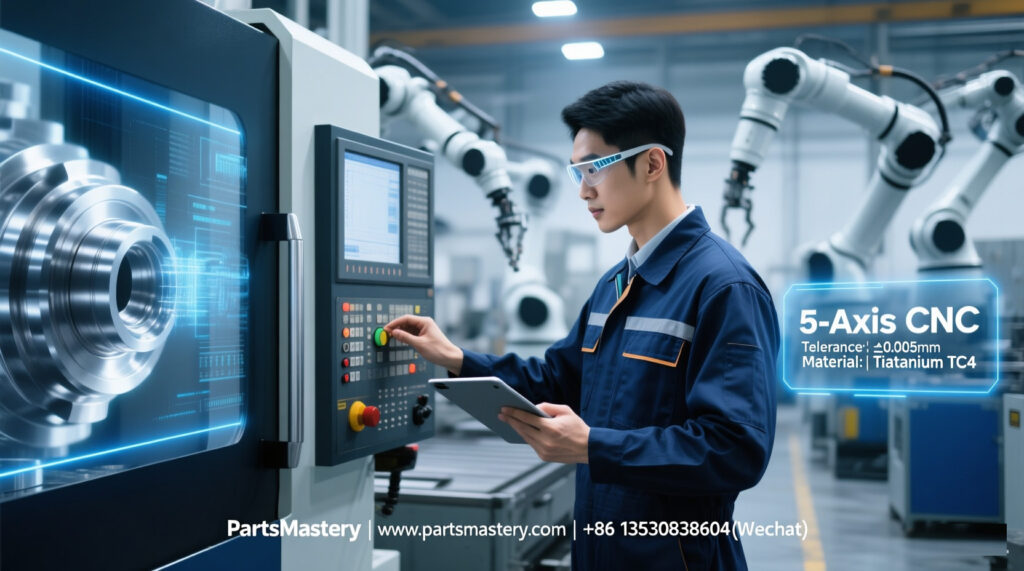
In today‘s rapidly evolving manufacturing landscape, the role of professional tooling maker manufacturers has never been more critical. From automotive components to aerospace parts, medical devices to consumer electronics, precision tooling forms the backbone of modern industrial production. This comprehensive guide explores everything you need to know about tooling manufacturing, from industry trends and material selection to quality standards and choosing the right manufacturing partner.
Understanding the Global Tooling Market
The global tooling market has demonstrated remarkable growth and resilience. In 2025, the market was valued at approximately USD 290.6 billion, and industry analysts project it to reach USD 501.4 billion by 2034, representing a compound annual growth rate (CAGR) of 6.20 percent. This substantial expansion reflects the increasing demand for precision manufacturing across multiple industries worldwide.
The special die and tool, die set, jig, and fixture market has also shown strong momentum, growing from USD 63.35 billion in 2025 to an expected USD 86.01 billion by 2030 at a CAGR of 6.5 percent. Europe currently holds a dominant position with approximately 40 percent of the global market share, driven by its strong manufacturing base, advanced technology adoption, and the presence of leading automotive and aerospace industries.
Key Materials Used in Tooling Manufacturing
Professional tooling maker manufacturers work with a diverse range of materials to produce cutting tools, dies, molds, jigs, and fixtures. Each material offers distinct properties suited for specific applications and operational conditions.
Carbide (Cemented Carbide) stands as one of the most widely used tooling materials. Composed of a hard phase such as tungsten carbide combined with a metallic binder, carbide cutting tools offer exceptional wear resistance and thermal stability. They are ideal for high-speed cutting of iron, steel, and other tough materials, providing longer tool life and superior cutting performance compared to traditional alternatives.
High-Speed Steel (HSS) remains a popular choice for many tooling applications. This alloy steel contains elements such as molybdenum, tungsten, and cobalt, giving it high hardness and wear resistance. HSS tools are particularly suitable for cutting ferrous materials under low-speed and low-heat conditions, offering a cost-effective solution for many standard machining operations.
Ceramic and CBN Materials serve specialized applications requiring extreme hardness and heat resistance. Ceramic cutting tools, made from inorganic materials such as aluminum oxide, provide excellent performance in high-temperature machining environments.
Polycrystalline Diamond (PCD) represents the premium end of tooling materials. PCD inserts excel in machining non-ferrous materials, including high-silicon aluminum, copper and brass alloys, magnesium, and carbon fiber reinforced plastics. They deliver high material removal rates, superior surface finish, and extended tool life when working with abrasive materials.
Industries Driving Demand for Professional Tooling
The automotive sector remains one of the largest consumers of tooling products. Tools are essential for manufacturing engine components, body panels, transmission systems, and numerous other automotive parts that require precision and durability at scale. The ongoing transition to electric vehicles has further increased the demand for specialized tooling solutions tailored to EV-specific components.
The aerospace industry demands the highest levels of precision and reliability. Tooling is critical for producing safety-sensitive components such as turbine blades, structural parts, and landing gear systems. These applications require tools capable of maintaining extremely tight tolerances while working with advanced materials like titanium alloys and composites.
Medical device manufacturing, electronics production, construction equipment, and industrial machinery sectors also rely heavily on professional tooling maker manufacturers to produce consistent, high-quality components.
How to Choose the Right Tooling Manufacturing Partner
Selecting the right tooling partner requires more than comparing price quotes or scanning product catalogs. The most successful B2B partnerships are built on operational transparency, technical alignment, and responsive communication.
Evaluate Manufacturing Capabilities Thoroughly Start by understanding what the tooling maker manufacturer can actually produce. Check their machinery inventory, production capacity, and range of products. A well-equipped manufacturer with multi-axis CNC centers, precision grinders, and advanced inspection equipment is better positioned to handle complex orders without compromising quality.
Verify Quality Certifications and Standards A reputable tooling partner should provide detailed documentation of their quality standards and proof that they meet them. ISO 9001 certification is the industry baseline, but serious buyers should request additional evidence such as first-article inspection reports, CPK process capability data, and material certification documentation. In-house quality control processes and vertically integrated manufacturing reduce dependency on third parties and enhance traceability.
Assess Technical Compliance for Regulated Environments Tools used in automotive, aerospace, or medical applications must meet specific industry standards. Professional tooling suppliers maintain thorough records of their processes and compliance with precision standards. Claims about precision are easy to make but harder to verify—always request test data and sample parts for validation.
Consider Operational Responsiveness Response time often serves as a reliable indicator of internal efficiency. Suppliers who respond quickly typically operate with real-time order tracking, lean inventory systems, and dedicated customer service teams. In fast-moving development cycles, communication efficiency can directly impact project timelines and final product quality.
Evaluate Customization Capabilities Many procurement projects require tailored solutions—whether specific material grades, custom geometries, surface coatings, or special packaging requirements. Top-tier manufacturers offer full customization support and respond within reasonable timeframes with CAD drafts and prototype pricing.
Check Reorder Rates and Export Experience A supplier’s repeat order rate is a powerful metric for long-term reliability. High reorder percentages suggest consistent satisfaction with both quality and delivery performance. For international buyers, export experience is equally important—experienced exporters understand global trade regulations, packaging standards, and documentation requirements, saving time and reducing procurement risks.
Manufacturing Capabilities of Leading Tooling Providers
China continues to lead global production of tooling and metalworking products, with concentrated industrial hubs offering vertically integrated supply chains. These regions combine raw material access, precision machining, heat treatment, and final assembly under one roof, enabling competitive pricing and efficient production.
A professional tooling maker manufacturer typically offers a comprehensive range of services, including:
-
التصنيع الآلي باستخدام الحاسب الآلي for precise component fabrication
-
Die Casting and Injection Molding tools for mass production
-
Precision Stamping Dies for metal forming operations
-
Fixtures and Jigs for workholding and alignment
-
Custom Cutting Tools for specialized machining requirements
-
النماذج الأولية السريعة services for design validation
Modern tooling manufacturers also integrate CAD/CAM/CAE workflows into their operations, enabling design-for-manufacturability reviews, stress simulation, and mold flow analysis before any metal is cut. This proactive approach reduces rework, accelerates time-to-market, and enhances the lifecycle predictability of the tooling itself.
Quality Assurance in Tooling Manufacturing
Quality control is the cornerstone of professional tooling manufacturing. Reputable tooling maker manufacturers implement stringent inspection protocols throughout the production process. This typically includes:
-
Design Review and Material Verification before production begins
-
In-Process Inspections at critical stages such as heat treatment and assembly
-
Dimensional Checks using coordinate measuring machines (CMM) and precision gauges
-
Surface Finish Evaluation to verify aesthetic and functional requirements
-
Performance Testing to validate tool durability and cutting performance
Documentation of these quality processes should be readily available to buyers, including inspection reports, material certificates, and compliance documentation for applicable standards.
Emerging Trends Shaping the Tooling Industry
The tooling industry is undergoing significant transformation driven by technological advancement. Several key trends are reshaping how tooling maker manufacturers operate and deliver value to their customers.
Industry 4.0 and Smart Manufacturing The integration of digital technologies into production methods marks a major trend supporting market growth. Smart tool systems equipped with sensors provide real-time information on tool effectiveness and wear, minimizing downtime and enhancing productivity. Connected tools enable remote supervision and management, improving overall operational efficiency.
Automation and Advanced Robotics Manufacturing automation continues to expand, with industrial robot installations showing consistent growth. Automated systems handle material handling, tool swapping, and quality assessment tasks, streamlining production and improving accuracy while reducing reliance on manual labor.
Additive Manufacturing Integration The growing adoption of 3D printing allows tooling firms to produce customized, complex designs while decreasing lead times and manufacturing expenses. Additive manufacturing also aids in creating lightweight yet robust tooling solutions, including mold inserts with conformal cooling channels that improve cycle times and quality in injection molding operations.
Focus on Sustainability and Standards Customers increasingly evaluate the environmental footprint of their supply chains. Certifications such as ISO 14001 and ISO 50001 are becoming important differentiators for tooling manufacturers seeking new business opportunities. Material cycles, energy-efficient machining strategies, and adaptive cooling lubricant supply help combine ecological and economic goals.
Building Successful Long-Term Partnerships
Working with professional tooling maker manufacturers should be viewed as building a strategic partnership rather than a series of isolated transactions. The strongest relationships develop when both parties grow together through:
-
Clear communication of expectations and requirements
-
Willingness to adapt to evolving production needs
-
Consistent quality delivered across all orders
-
Transparent pricing that reflects value rather than just cost
-
Reliable delivery schedules that support production planning
Long-term supply partnerships built on trust, operational reliability, and shared commitment to quality deliver sustainable advantages over purely price-driven procurement strategies.
الخاتمة
The role of professional tooling maker manufacturers has never been more essential to global industrial production. As the tooling market continues its trajectory toward USD 500 billion and beyond, buyers who invest time in carefully evaluating potential partners will reap the rewards of consistent quality, reliable delivery, and technical expertise.
For businesses seeking precision tooling solutions that meet rigorous quality standards, PartsMastery stands ready to support your manufacturing needs. From rapid prototyping to full-scale production, we bring years of industry experience, advanced CNC machining technology, and a commitment to quality that ensures every part meets your specifications. With engineers fluent in English ensuring seamless communication and global shipping to Europe and the Americas in as little as one week, PartsMastery delivers high-quality tooling solutions at competitive prices while maintaining strict quality control through ISO 9001:2015 certified processes.
Contact PartsMastery today at +86 13530838604 (WeChat) to discuss your tooling requirements and discover how professional tooling manufacturing can elevate your production capabilities.