



Votre guide complet sur Moule d'injection OEM: Pourquoi la précision est-elle essentielle dans la production à grand volume ?
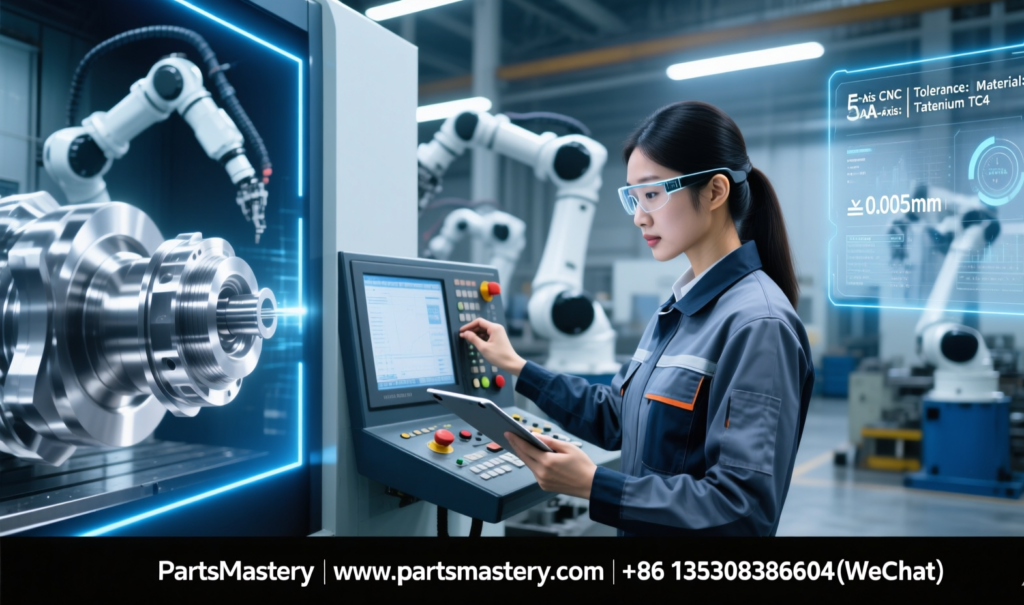
En ce qui concerne la fabrication moderne de composants en plastique, le Moule d'injection OEM constitue la base d'une production en série fiable. Contrairement à un moule standard, un Moule d'injection OEM est un outil conçu sur mesure, spécialement adapté à la géométrie unique de votre produit. Choisir le bon Moule d'injection OEM Il ne s'agit pas seulement de faire fondre du plastique et de remplir des cavités ; il s'agit de maîtriser les tolérances, les temps de cycle, l'intégrité des matériaux et la rentabilité à long terme.
La question n’est pas de savoir “ s’il faut ” recourir au moulage par injection pour les pièces complexes. La véritable question est la suivante : pourquoi les équipementiers s’appuient-ils exclusivement sur des moules de haute précision ? Cet article examine les principaux avantages, les facteurs de coût et les exigences techniques nécessaires à la réussite Moule d'injection OEM des projets s'appuyant sur les meilleures pratiques du secteur et sur les données issues des pôles de fabrication de pointe.
Pourquoi choisir un moule d'injection OEM plutôt qu'un outillage standard ?
Pour les fabricants d'équipements d'origine, une solution dédiée Moule d'injection OEM est un critère incontournable lorsque la répétabilité est requise. Le moulage par injection à l'aide d'un moule spécialement conçu offre des avantages concurrentiels indéniables qui peuvent faire ou défaire le cycle de vie d'un produit :
-
Rendement élevé et faible coût unitaire: L'outillage représente un investissement initial, mais une fois que le Moule d'injection OEM Une fois le processus mis au point, il est possible de produire des dizaines de milliers de pièces à un coût unitaire remarquablement bas. Le marché mondial du moulage par injection, évalué à plus de 291 milliards de dollars en 2025, continue de croître grâce à cette évolutivité sans pareille.
-
Liberté de conception et géométries complexes: Un Moule d'injection OEM permet de réaliser des formes complexes, des bossages internes, des nervures et des charnières flexibles qui coûteraient une fortune en usinage CNC ou en impression 3D.
-
Un choix de matériaux exceptionnel: Que vous recherchiez la résistance aux hautes températures du PEEK, la résistance aux chocs de l'ABS ou la transparence du polycarbonate, le Moule d'injection OEM prend en charge une vaste gamme de thermoplastiques et de composites.
À quoi s'attendre en 2026 : l'avenir du secteur
Les Moule d'injection OEM Le paysage évolue rapidement. En 2026, le développement durable est au cœur du changement. Les contraintes réglementaires et la demande des consommateurs en matière de recyclage poussent les équipementiers à utiliser des moules adaptés aux matériaux recyclés et aux résines biosourcées. De plus, les capteurs intégrés et la maintenance prédictive sont en train de Moule d'injection OEM transforme les machines en ressources riches en données, optimisant ainsi le débit en temps quasi réel.
Analyse des coûts : comprendre votre investissement dans le moulage par injection OEM
L'une des principales préoccupations des équipementiers qui passent à un Moule d'injection OEM il y a les coûts d'outillage, qui varient considérablement selon l'application. Pour les entreprises qui s'approvisionnent à l'échelle mondiale, en particulier auprès de pôles industriels tels que Shenzhen ou Ningbo, les coûts d'outillage pour un Moule d'injection OEM peuvent être inférieurs de 20 à 50% à ceux des options occidentales, les moules simples étant proposés à partir d'environ 1 000–5 000. Cependant, les experts du secteur déconseillent de se précipiter sur le prix affiché le plus bas, car des modifications ou des retouches cachées peuvent rapidement annuler cette réduction.
Voici les facteurs déterminants qui influencent le prix de votre Moule d'injection OEM:
-
Qualité de l'acier : Choisir une nuance d'acier inadaptée pour votre Moule d'injection OEM peut s'avérer coûteux. L'acier à outils H13 est robuste pour la production en grande série, mais l'acier inoxydable 420 est privilégié pour sa résistance à la corrosion.
-
Nombre de cavités : Augmenter le nombre d'impressions dans votre Moule d'injection OEM réduit le prix unitaire, mais augmente considérablement la complexité initiale et les coûts des matériaux.
-
Complexité des pièces et finition de surface : Si votre Moule d'injection OEM Si l'on a besoin de fonctionnalités telles que des actions latérales, des mécanismes à dévisser ou des finitions brillantes, le nombre d'heures d'usinage augmente rapidement.
Choix des matériaux pour votre moule d'injection OEM
Le choix de la résine appropriée est essentiel à la réussite de votre Moule d'injection OEM. Vous trouverez ci-dessous un guide de référence rapide sur les matériaux les plus couramment utilisés aujourd'hui dans les applications OEM :
-
Polypropylène (PP) : Économique, flexible, résistant à la fatigue. Idéal pour les biens de consommation et les charnières souples.
-
ABS: Haute résistance, grande ténacité, facile à usiner. Le choix incontournable pour les boîtiers électroniques et les pièces automobiles.
-
Polycarbonate (PC) : Excellente transparence et grande résistance aux chocs. Utilisé pour les composants optiques et les équipements de sécurité.
-
POM (acétal/Delrin) : Grande rigidité et excellente résistance à l'usure. Idéal pour les engrenages de précision et les pièces mécaniques.
Qualité, certifications et l'avantage du “ Made in China ”
Lors de la fabrication d'un Moule d'injection OEM, les certifications de qualité constituent votre filet de sécurité. Pour les équipementiers (OEM) évoluant dans des secteurs réglementés tels que celui des dispositifs médicaux, ISO 13485 La certification est obligatoire pour un Moule d'injection OEM fournisseur. Cette norme garantit une précision de l'ordre du micron et une traçabilité totale des matériaux, ce qui est essentiel pour les composants liés à la sécurité des patients.
La Chine reste le moteur de la fabrication par injection, avec des fournisseurs proposant des écosystèmes intégrés où se rejoignent la conception de moules, l'approvisionnement en matériaux et le moulage à grande vitesse. Que vous ayez besoin d'une production en série Moule d'injection OEM Pour un échantillon en petite série, le prototypage rapide peut souvent être réalisé en 7 à 14 jours.
Pourquoi devenir partenaire de PartsMastery ?
Au PartsMastery, nous ne nous contentons pas de vendre des moules d'injection ; nous concevons des solutions de fabrication. Nous savons que la qualité de votre produit final dépend entièrement de la Moule d'injection OEM utilisés pour sa fabrication. Notre équipe est spécialisée dans le moulage par injection de pointe et offre un accompagnement technique complet, de l'analyse de la conception en vue de la fabricabilité (DFM) jusqu'à la production finale.
Choisir le bon Moule d'injection OEM transforme votre chaîne logistique, la faisant passer d'un mode réactif à un mode proactif. Elle garantit des tolérances plus strictes, des temps de cycle plus courts et une production évolutive à long terme. Nous allions les normes de qualité internationales à la précision de fabrication pour donner vie à vos composants plastiques complexes.
Prêt à commencer votre Moule d'injection OEM Vous souhaitez nous confier un projet ou discuter de vos spécifications techniques ? Contactez-nous PartsMastery grâce à des solutions modernes et efficaces.
Contactez-nous :
PartsMastery
Téléphone : +86 (WeChat) +86 13530838604 (WeChat)