




Fournisseur de moulage par injection de plastique - Comment sélectionner un partenaire pour l'excellence de la production
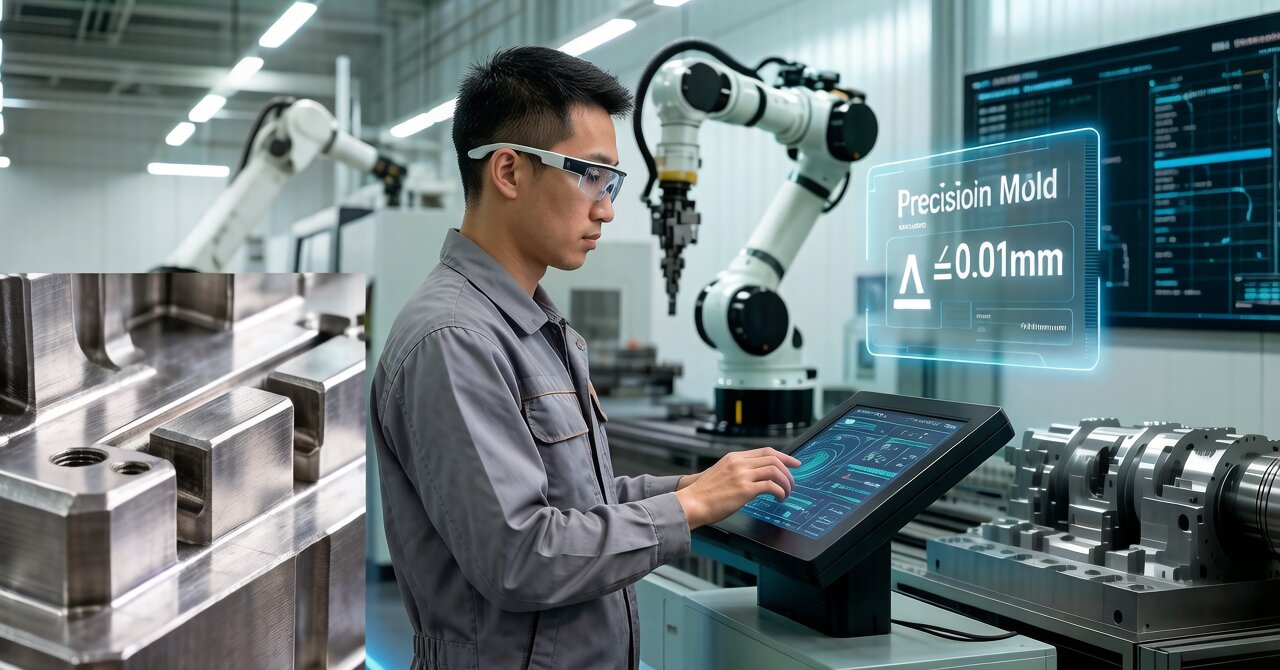
Choisir le bon fournisseur de moulage par injection de plastique C'est l'une des décisions les plus déterminantes qu'une équipe de développement de produit puisse prendre. La différence entre un fournisseur compétent et un fournisseur inadéquat a un impact direct sur la qualité des pièces, les coûts de production, la fiabilité des livraisons et, en fin de compte, le succès de votre produit sur le marché. Contrairement aux simples fournisseurs de produits de base qui se contentent d'enregistrer les commandes, un véritable fournisseur professionnel apporte son expertise technique, assure le contrôle des processus et garantit la stabilité de la chaîne d'approvisionnement.
Au PartsMastery, nous sommes depuis longtemps un partenaire de confiance fournisseur de moulage par injection de plastique pour les entreprises des secteurs médical, automobile, industriel et des biens de consommation. Cet article présente les éléments que les professionnels des achats doivent prendre en compte, les questions à poser et la manière d’évaluer les partenaires potentiels avant de s’engager dans des investissements en outillage.
Qu'est-ce qui caractérise un prestataire professionnel spécialisé dans le moulage par injection de plastique ?
Toutes les entreprises qui possèdent une presse à injection ne sont pas pour autant de véritables partenaires fournisseurs. Un professionnel fournisseur de moulage par injection de plastique fait preuve de compétences dans cinq domaines clés :
-
Compétences techniques en ingénierie – La capacité à fournir des recommandations en matière de conception en vue de la fabricabilité (DFM), à réaliser des analyses de flux dans les moules et à optimiser les processus.
-
Systèmes qualité – Des procédures documentées pour le contrôle à la réception, la surveillance en cours de fabrication et la validation finale, idéalement certifiées selon la norme ISO 9001 ou des normes spécifiques au secteur.
-
Capacité de production – Une gamme de machines couvrant une plage de tonnage suffisante (des petites presses de prototypage aux grandes machines de production) et une capacité redondante garantissant la stabilité des délais.
-
Expertise en matière de matériaux – Connaissance des résines techniques, des composés chargés, des additifs spécialisés et des exigences réglementaires (RoHS, REACH, UL, FDA).
-
Transparence de la chaîne d'approvisionnement – Une communication claire, des délais réalistes et une gestion honnête des problèmes lorsqu’ils surviennent.
PartsMastery a été conçue pour répondre à chacun de ces critères. Notre site est certifié ISO 9001:2015 et dispose d’une équipe d’ingénieurs à temps plein, d’un atelier d’outillage interne et d’un atelier de production équipé de presses à injection d’une capacité allant de 50 à 800 tonnes.
Les coûts cachés liés au choix d'un fournisseur inadapté
De nombreuses décisions d'achat se concentrent exclusivement sur le prix unitaire. Or, le coût total de possession (TCO) des composants moulés par injection tient compte de plusieurs facteurs qu'un prix bas fournisseur de moulage par injection de plastique pourrait augmenter par inadvertance :
Qualité de l'outillage. Un fournisseur à bas prix peut utiliser de l'acier doux ou un système de refroidissement inadéquat, ce qui entraîne une usure du moule au bout de 50 000 cycles au lieu de 500 000. Le coût de fabrication d'un moule de remplacement, ajouté aux temps d'arrêt de production, dépasse largement les économies initiales.
Stabilité du procédé. Un fournisseur qui ne maîtrise pas les techniques de moulage scientifique produira des pièces présentant une plus grande variation dimensionnelle. Vous risquez alors de devoir effectuer des contrôles plus fréquents, de mettre davantage de pièces au rebut ou de rencontrer des problèmes d'assemblage en aval.
Problèmes de communication. Les malentendus concernant les modifications apportées aux plans, les spécifications des matériaux ou les exigences en matière d'emballage entraînent des retouches coûteuses et des retards de livraison.
Manque de fiabilité logistique. Les retards de livraison perturbent votre calendrier de montage, vous obligeant à recourir à un fret aérien coûteux ou à des heures supplémentaires pour rattraper le retard.
Un professionnel fournisseur de moulage par injection de plastique comme PartsMastery gère toutes ces variables de manière proactive, ce qui permet d'obtenir un coût total inférieur, même si le prix unitaire n'est pas le plus bas absolu.
Comment évaluer un fournisseur de moulage par injection plastique
Lorsque vous évaluez des fournisseurs potentiels, demandez des preuves concrètes plutôt que de vous contenter d'affirmations générales. Voici un cadre d'évaluation pratique :
Étape 1 : Évaluation des capacités techniques
Demandez à consulter un exemple de rapport DFM établi pour un client précédent. Ce rapport contient-il des recommandations spécifiques accompagnées de croquis CAO ? Aborde-t-il les questions d’épaisseur de paroi, d’angles de dépouille, de placement des points d’injection et d’éjection ? Les rapports génériques d’une seule page témoignent d’un manque de profondeur technique.
Renseignez-vous sur les logiciels de simulation de moulage par injection. PartsMastery utilise Moldflow pour prévoir les schémas de remplissage, l'emplacement des lignes de soudure, les poches d'air et les exigences de pression avant la découpe de l'acier.
Étape 2 : Audit des systèmes qualité
Demandez-leur leur certificat ISO 9001 et son champ d'application. Examinez leur procédure de contrôle à la réception des matières premières. Demandez-leur comment ils gèrent les pièces non conformes : procèdent-ils à une analyse des causes profondes et établissent-ils des rapports d'actions correctives ?
Demandez des exemples de rapports dimensionnels issus d'un cycle de production récent. Recherchez des données issues d'une machine à mesurer tridimensionnelle (CMM) ou d'un comparateur optique, comportant des indicateurs clairs de conformité/non-conformité et des horodatages.
Étape 3 : Évaluation des équipements de production
Un professionnel fournisseur de moulage par injection de plastique dispose d'un parc de machines modernes équipées d'un système de surveillance des processus en temps réel. Demandez la liste des machines, avec indication de leur capacité en tonnes, du diamètre de leurs vis et de leur âge. Les machines plus anciennes, dépourvues de systèmes de régulation en boucle fermée, ne permettent pas d'obtenir des dimensions de pièces constantes.
Étape 4 : Vérifier la manutention des matériaux
Un séchage inadéquat est l'une des principales causes de défauts dans les résines techniques. Renseignez-vous sur les équipements de séchage : les sécheurs à dessiccant équipés d'un système de surveillance du point de rosée sont indispensables pour le nylon, le polycarbonate et le PET. Demandez comment ils permettent d'éviter la contamination des matériaux entre les différentes familles de résines.
Étape 5 : Vérifier les références
Demandez les coordonnées de trois clients actuels dont les pièces présentent une complexité et un volume similaires à ceux de votre projet. Renseignez-vous sur le taux de respect des délais de livraison, la réactivité face aux problèmes et demandez-leur s'ils choisiraient à nouveau le même fournisseur.
Ce qu'un fournisseur professionnel propose en plus des pièces moulées
Un véritable fournisseur de moulage par injection de plastique apporte une valeur ajoutée qui va bien au-delà de la simple livraison de cartons contenant des composants en plastique. PartsMastery stipule :
Optimisation de la conception. Nous identifions régulièrement des possibilités de réduire le poids des pièces, d'améliorer leur résistance ou de simplifier leur assemblage grâce à de légères modifications géométriques. Ces suggestions sont formulées lors de la phase de conception pour la fabrication (DFM), sans frais supplémentaires.
Conseils pour le choix des matériaux. Le choix d'une résine inadaptée peut entraîner des défaillances prématurées sur le terrain ou des dépenses inutiles. Nous vous aidons à adapter les propriétés des matériaux à vos conditions d'utilisation réelles, et pas seulement à ce qui est indiqué sur un ancien plan.
Opérations secondaires. De nombreux composants nécessitent des opérations post-moulage : découpe des carottes, perçage, sertissage à chaud, soudage par ultrasons, tampographie ou assemblage. Un prestataire proposant une offre complète coordonne ces opérations afin que vous receviez des pièces finies et prêtes à l'emploi.
Gestion des stocks. PartsMastery propose la gestion des stocks en consignation, des systèmes Kanban et une planification de la production basée sur les prévisions afin de réduire au minimum votre fonds de roulement tout en garantissant un approvisionnement ininterrompu.
Erreurs courantes à éviter lors de la sélection d'un fournisseur
Au fil des années passées à travailler avec des clients qui sont passés à PartsMastery Après avoir vécu des expériences décevantes ailleurs, nous avons constaté des erreurs de sélection récurrentes :
Faire son choix en se basant uniquement sur le prix. Le soumissionnaire le moins-disant manque souvent de contrôles de processus, utilise de l’acier de qualité inférieure ou lésine sur les contrôles. Les problèmes de qualité et les retards qui en découlent annulent toutes les économies initiales.
Ne pas tenir compte de la qualité de la communication. Si un fournisseur met du temps à répondre lors de la phase de devis, il sera encore moins réactif pendant la phase de production. Évaluez le temps de réponse, la clarté des réponses et les compétences techniques de son personnel commercial et technique.
Ne pas effectuer de visite sur place. Pour les investissements importants en outillage, rendez-vous sur place ou demandez une visite guidée en direct par vidéo. Évaluez l'organisation, la propreté et l'état de fonctionnement des équipements. Un atelier en désordre présentant des fuites de fluide hydraulique laisse supposer des problèmes de gestion plus généraux.
Se concentrer uniquement sur le prix du moule. Le moule représente un coût ponctuel. Le prix unitaire, la durée du cycle et la durée de vie du moule déterminent sa valeur à long terme. Un moule plus coûteux qui fonctionne plus rapidement et dont la durée de vie est deux fois plus longue constitue presque toujours le meilleur investissement.
Étude de cas : transition d'un fournisseur de dispositifs médicaux
Un fabricant de dispositifs médicaux utilisait depuis longtemps le même fournisseur de moulage par injection de plastique pendant cinq ans. Des problèmes de qualité récents – une variation dimensionnelle croissante sur une surface d’étanchéité critique – avaient entraîné deux arrêts de production et le dépôt d’un rapport réglementaire.
PartsMastery a été fait appel à lui en tant que deuxième source. Notre analyse DFM a révélé que le moule existant présentait une usure dépassant les spécifications ; le fournisseur précédent n'avait pas effectué de maintenance préventive. Nous avons fabriqué un nouveau moule en acier H13 doté d'un système de refroidissement conformationnel et avons mis en place un suivi SPC à chaque cycle.
Résultats : La variation dimensionnelle (Cpk) s'est améliorée, passant de 0,89 à 1,52. Le taux de rebut a baissé, passant de 5,71 TP3T à 0,91 TP3T. Le client a transféré l'ensemble des 14 moules en service vers PartsMastery dans un délai de 12 mois.
Quand changer de fournisseur ?
Même un bon fournisseur de moulage par injection de plastique pourrait finir par ne plus répondre à vos besoins. Envisagez de changer lorsque :
-
La qualité affiche une tendance à la baisse avec une augmentation des taux de défauts ou une dérive dimensionnelle.
-
Les délais de livraison dépassent systématiquement les engagements indiqués dans les devis sans communication proactive.
-
La assistance technique disparaît – Les retours d'information sur la conception pour la fabrication (DFM) deviennent génériques ou cessent complètement.
-
Les prix ne sont plus compétitifs par rapport aux taux du marché pour une qualité comparable.
-
La croissance dépasse leurs capacités – votre volume dépasse leur plage de fonctionnement optimale.
Le passage à un nouveau fournisseur nécessite une planification minutieuse, mais les avantages à long terme liés à une qualité fiable et à la stabilité de l'approvisionnement justifient cet effort.
Premiers pas avec PartsMastery
Si vous envisagez d'adopter un nouveau fournisseur de moulage par injection de plastique – que ce soit en tant que fournisseur principal ou en tant que fournisseur secondaire agréé – PartsMastery Nous serions ravis de vous proposer un devis pour votre prochain projet. Envoyez-nous votre fichier CAO (STEP ou IGES), les spécifications des matériaux et une estimation de votre volume annuel. Notre équipe d'ingénieurs vous répondra dans un délai de 3 à 5 jours ouvrés avec une analyse de la fabricabilité (DFM) et un devis détaillé.
PartsMastery
Moulage par injection de précision – votre partenaire fournisseur de confiance
Téléphone / WeChat : +86 13530838604
Qualité, régularité et transparence pour chaque expédition.