








China Mould Factories
When product developers, engineers, and procurement professionals think about high-quality tooling at competitive prices, China mould factories are almost always top of mind. Over the past twenty years, China has transformed itself from a source of basic, low-cost moulds into a global leader in precision injection moulds, compression moulds, die-casting dies, and blow moulds. Today, China mould factories serve virtually every industry, including automotive, medical devices, consumer electronics, home appliances, and industrial equipment. Understanding what these factories offer, how they operate, and why they continue to dominate global tooling markets is essential for any business looking to manufacture plastic or metal parts efficiently.
The scale of China’s mould manufacturing industry is staggering. According to recent industry reports, China accounts for roughly 40% of the world’s total mould output, with annual production value exceeding RMB 300 billion. More than 20,000 mould factories are spread across the country, employing millions of skilled workers and engineers. However, sheer size alone does not explain the global preference for China mould factories. The real story lies in their relentless pursuit of precision, speed, and technological upgrading.
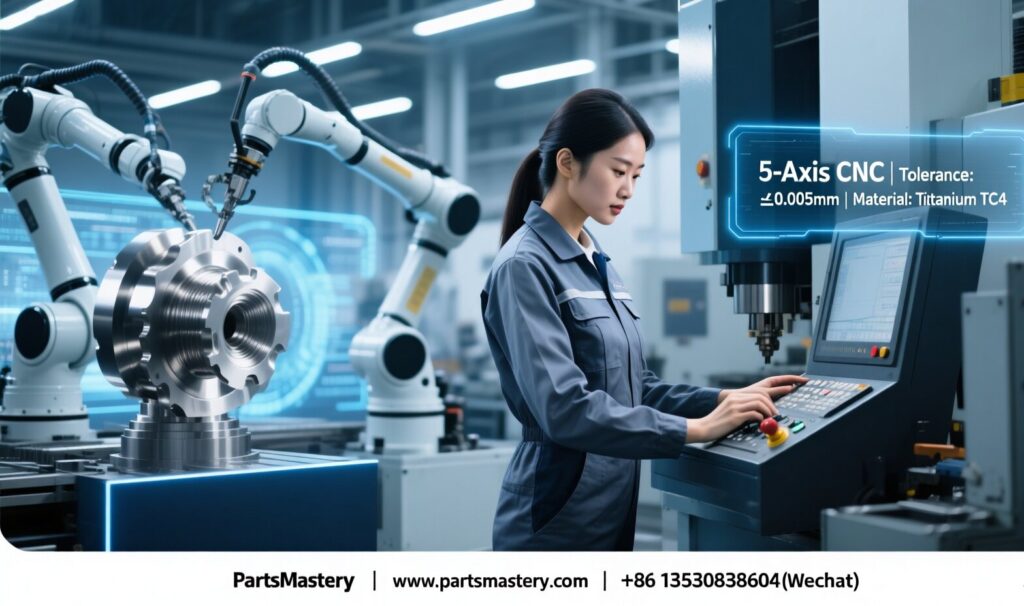
Modern China mould factories bear little resemblance to the manual workshops of the 1990s. Walk into any leading facility today, and you will find rows of high-speed CNC machining centers, electrical discharge machining (EDM) units, wire-cutting machines, and precision surface grinders. Many factories have invested in five-axis simultaneous machining, allowing complex geometries to be cut in a single setup, dramatically improving accuracy and reducing lead times. In-house metrology labs are now standard, equipped with coordinate measuring machines (CMM), optical comparators, and laser scanners to verify every cavity, core, and ejector pin against CAD data. Tolerances of ±0.01 mm are routinely achieved, and some specialized factories can hold ±0.005 mm for ultra-precision applications such as medical syringes or optical lens moulds.
One of the greatest strengths of China mould factories is their deep integration with local supply chains. In major mould-making hubs such as Dongguan, Shenzhen, Suzhou, Taizhou (Zhejiang), and Ningbo, a factory can source mould steel, standard parts, hot runners, controllers, and surface treatment services within a few hours’ drive. This proximity reduces logistics costs, accelerates prototyping, and enables factories to respond quickly to design changes. For example, if a customer requests a change to the cooling channel layout, a Chinese factory can often source the necessary copper electrodes or specialty drills on the same day. This kind of supply chain density is difficult to replicate in other regions, giving China mould factories a significant advantage in both speed and cost.
Engineering capability is another area where China mould factories have made remarkable progress. Many factories employ experienced mould flow analysts who use software such as Autodesk Moldflow or Moldex3D to simulate the injection process before any steel is cut. These simulations predict potential defects like air traps, weld lines, sink marks, and excessive warpage, allowing engineers to optimize gate locations, runner sizes, and cooling channel layouts early in the design phase. Some factories also use digital twin technology, creating a virtual replica of the mould that can be tested under simulated production conditions. This upfront analysis reduces costly mould trials and ensures that the first physical samples are close to production-ready.
China mould factories also excel at value-added engineering services. A good factory will not simply take a customer’s part drawing and build a mould to those specifications. Instead, they will offer design-for-manufacturing (DFM) feedback, suggesting changes that improve mouldability, reduce cycle time, or extend mould life. For instance, they might recommend increasing draft angles to prevent sticking, adjusting wall thickness to promote even filling, or adding conformal cooling channels to reduce thermal stress. Many factories also provide prototype moulds using rapid tooling techniques such as aluminum moulds or 3D-printed inserts, allowing customers to test part designs before committing to expensive production tooling.
Quality control in China mould factories has evolved significantly. While there are still low-end operators, reputable factories now hold international certifications such as ISO 9001:2015 for general quality management and IATF 16949 for automotive tooling. Many also comply with global standards like HASCO, DME, Meusburger, or STRACK, which ensures that mould bases, ejector pins, and other standard components are interchangeable with those made in Europe or North America. In-process inspection is rigorous, with critical dimensions checked at each machining stage. Final inspection typically includes a comprehensive First Article Inspection (FAIR) report, complete with measurement data, material certificates, hardness test results, and photographs. Some factories offer live video streaming of mould trials, giving overseas buyers real-time visibility into the tool’s performance.
Lead times are a major reason why global buyers turn to China mould factories. A typical production mould that might take sixteen to twenty-four weeks in Europe or the United States can often be delivered in eight to twelve weeks from a well-managed Chinese factory. For simpler moulds or those requiring fewer cavities, six weeks is achievable. This speed comes not from cutting corners but from efficient workflow, multi-shift operations, and the ready availability of raw materials and standard parts. For industries with short product life cycles, such as consumer electronics, faster mould delivery translates directly into faster time-to-market and higher revenue.
Cost remains an important factor, but it is no longer the only consideration. China mould factories offer what many experts call the “best value” rather than the lowest price. The total cost of ownership—including mould price, maintenance costs, spare parts availability, and mould life—often favors Chinese suppliers. Hourly machining rates in China are still lower than in Germany, Japan, or the United States, but the gap has narrowed as factories upgrade their equipment and pay higher wages to skilled workers. What buyers really pay for is efficiency: shorter lead times, faster engineering response, and the ability to integrate secondary services such as injection molding, assembly, and drop shipping.
Looking ahead, China mould factories are embracing Industry 4.0 and sustainable manufacturing. Many factories now use manufacturing execution systems (MES) to track every job in real time, from steel cutting to heat treatment to final inspection. Sensors on CNC machines monitor tool wear and automatically schedule maintenance. Some factories have introduced robotic cells for electrode manufacturing and automated polishing. On the sustainability front, energy-efficient servo motors, waste heat recovery systems, and water recycling are becoming standard. A few leading factories are even experimenting with low-carbon mould steels and renewable energy sources for their machining centers.
For international buyers, selecting the right China mould factory requires due diligence. It is advisable to request samples of similar parts, check certifications, and if possible, conduct a factory audit or a virtual tour. Clear communication is critical: provide detailed 2D drawings with tolerances, specify steel type and hardness, define surface finish requirements (e.g., SPI grades), and agree on mould life expectations (e.g., 500,000 shots or 1 million shots). A well-written mould specification sheet prevents misunderstandings and ensures the final tool meets your production needs.
At PartsMastery, we have built strong relationships with some of the most reliable China mould factories. We help clients navigate the selection process, manage communication, and ensure quality control from design to delivery. Whether you need a simple prototype mould or a high-cavity production tool for complex automotive or medical parts, PartsMastery is here to assist. Contact us at +86 13530838604 (WeChat) to discuss your project requirements. Let us help you bring your products to life with precision, speed, and reliability.